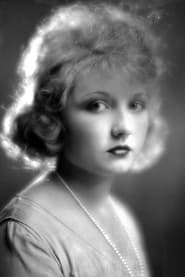
Eva Novak
Actor
Born: February 14, 1898 in St. Louis, Missouri, USA Died: April 17, 1988 Active: 1917-1933 Birth Name: Eva Barbara Novak
Films
5 films
About Eva Novak
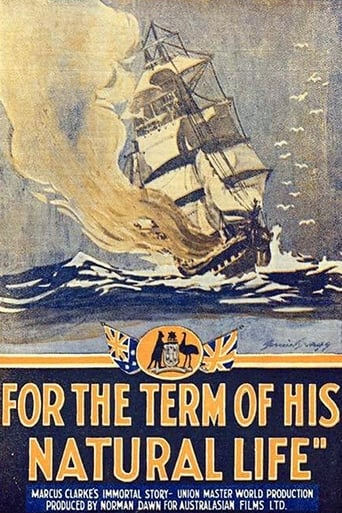
Prominent American actress of the silent film era who rose to fame in the early 1920s as a leading lady in Western films and romantic dramas. Born in St. Louis, Missouri, she began her film career in 1917 and quickly gained recognition for her natural acting style and screen presence. Novak worked extensively with cowboy star Hoot Gibson in several successful Westerns, becoming popular actresses in the genre during the early 1920s. Her career flourished with appearances in over 80 films between 1917 and 1929, including notable works like 'The Testing Block' (1920) and 'Sky High' (1922). In 1927, she traveled to Australia to star in 'For the Term of His Natural Life,' ambitious Australian silent films ever produced. Like many silent film stars, Novak's career declined with the advent of sound films, though she continued appearing in smaller roles through the early 1930s. She eventually retired from acting to focus on her family, leaving behind a legacy as one of the silent era's most versatile and hardworking actresses.
The Craft
On Screen
Novak was known for her naturalistic acting style that avoided the exaggerated gestures common in silent film acting. She brought a genuine emotional authenticity to her performances, particularly in dramatic scenes, while maintaining the grace and charm required of leading ladies. Her ability to convey complex emotions through subtle facial expressions and body language made her particularly effective in both dramatic roles and lighter romantic comedies.
Milestones
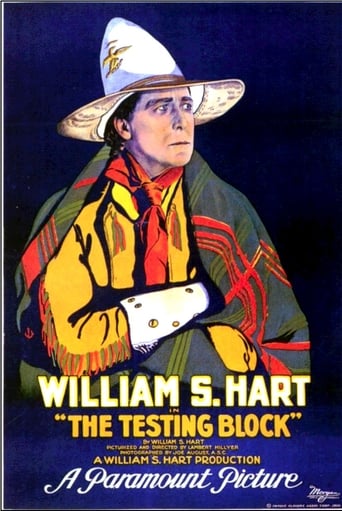
- Breakthrough role in 'The Testing Block' (1920) opposite Hoot Gibson
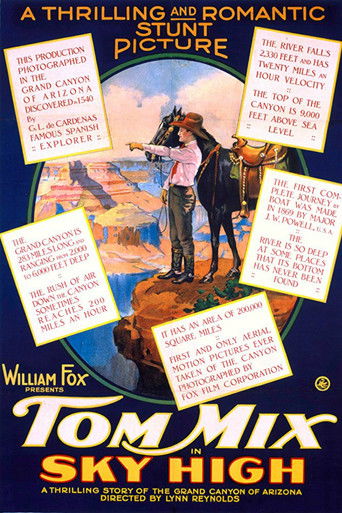
- Starred in the popular Western 'Sky High' (1922)
- Leading role in Australian epic 'For the Term of His Natural Life' (1927)
- Appeared in over 80 films during her career
- Transitioned successfully from supporting roles to leading lady status
Best Known For
Iconic Roles
Must-See Films
Accolades
Special Recognition
- Star on the Hollywood Walk of Fame (Motion Pictures) - 6320 Hollywood Blvd
Working Relationships
Worked Often With
Studios
Why They Matter
Impact on Culture
Eva Novak contributed significantly to the popularization of Western films during the early 1920s, helping establish the genre's conventions and appeal. Her work in Australian cinema with 'For the Term of His Natural Life' represented an important cultural exchange between Hollywood and the emerging Australian film industry. As one of the few actresses who successfully transitioned from supporting roles to leading lady status in Westerns, she helped pave the way for future actresses in the genre. Her naturalistic acting style influenced other performers who sought to move beyond the melodramatic style common in early silent films.
Lasting Legacy
Eva Novak is remembered as a versatile and prolific actress of the silent era who exemplified the hardworking spirit of early Hollywood pioneers. Her extensive filmography provides valuable documentation of silent film techniques and storytelling methods. While not as famous as some of her contemporaries, her work, particularly in Westerns and Australian cinema, represents an important chapter in film history. Her career trajectory from supporting player to leading lady, and her eventual graceful retirement, serves as a model of longevity and adaptability in the rapidly changing film industry of the 1920s and early 1930s.
Who They Inspired
Novak's naturalistic acting approach influenced younger actors entering the industry during the transition to sound films. Her success in both American and Australian productions demonstrated the international nature of silent cinema and inspired other performers to seek opportunities abroad. Her ability to perform her own stunts and handle physically demanding roles in Westerns helped establish higher standards for action sequences in the genre.
Off Screen
Eva Novak married William Reed, a film director and cinematographer, in 1925. The couple had one daughter together, Patricia Reed, who would later become an actress. Novak was known for her down-to-earth personality and dedication to her craft, often performing her own stunts in Western films. After retiring from acting, she focused on her family life and occasionally appeared at film conventions and silent film revival events in her later years.
Education
Educated in St. Louis public schools; no formal acting training, learned through experience in the film industry
Family
- William Reed (1925-1988)
Did You Know?
- She was the sister of actress Jane Novak, also a silent film star
- Performed many of her own stunts in Western films, including horseback riding and action sequences
- Her 1927 film 'For the Term of His Natural Life' was
- She appeared in over 80 films in just 16 years, demonstrating remarkable productivity
- Was one of the few American actresses to star in major Australian silent film productions
- Her Hollywood Walk of Fame star is located at 6320 Hollywood Blvd
- She continued acting in small roles through the early 1930s after many silent stars had retired
- Her daughter Patricia Reed appeared in films including 'The Big Sleep' (1946)
- She was frequently cast opposite cowboy stars, becoming
- Her last film appearance was in 1933's 'The Devil's Brother' with Laurel and Hardy
In Their Own Words
I never considered myself a great actress, but I always gave my best. That's all anyone can ask in this business.
Working in Westerns taught me more about filmmaking than any studio ever could - you had to be ready for anything.
The transition to sound was difficult for many of us, but I was grateful for the years I had in silent pictures.
Frequently Asked Questions
Who was Eva Novak?
American actress who starred in silent films during the 1910s and 1920s, appearing in over 80 films. She was particularly known for her work in Westerns and was a frequent leading lady opposite cowboy stars like Hoot Gibson.
What films is Eva Novak best known for?
Titles linked here include The Testing Block (1920), Sky High (1922).
When was Eva Novak born and when did she die?
Born February 14, 1898; died April 17, 1988.
What awards did Eva Novak win?
While Eva Novak did not receive major acting awards during her career, she was honored with a star on the Hollywood Walk of Fame at 6320 Hollywood Blvd for her contributions to motion pictures.
What was Eva Novak's acting style?
Novak was known for her naturalistic acting style that avoided the exaggerated gestures common in silent films. She brought emotional authenticity to her roles through subtle facial expressions and body language, making her particularly effective in both dramatic and romantic scenes.
Was Eva Novak related to any other famous actors?
Yes, Eva Novak was the sister of Jane Novak, who was also a successful silent film actress. Her daughter Patricia Reed also became an actress, appearing in films including 'The Big Sleep' (1946).
How did Eva Novak's career change with the advent of sound films?
Like many silent film stars, Novak's career declined with the transition to sound films. She continued appearing in smaller roles through the early 1930s but eventually retired from acting to focus on her family.
What was Eva Novak's connection to Australian cinema?
In 1927, Novak traveled to Australia to star in 'For the Term of His Natural Life,' which was. This made her one of the few American actresses to star in major Australian silent film productions.