
Priscilla Dean
Actor
Born: November 25, 1896 in New York City, New York, USA Died: December 27, 1987 Active: 1912-1927
Films
8 films


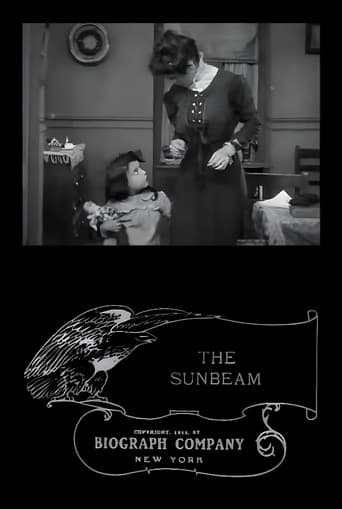
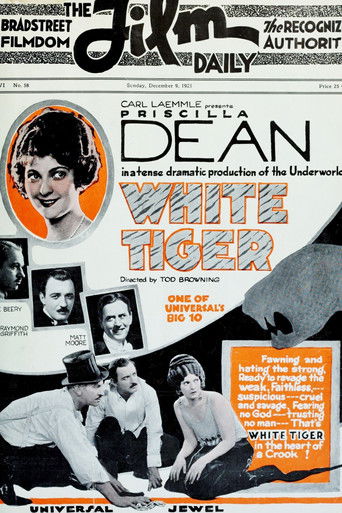
About Priscilla Dean
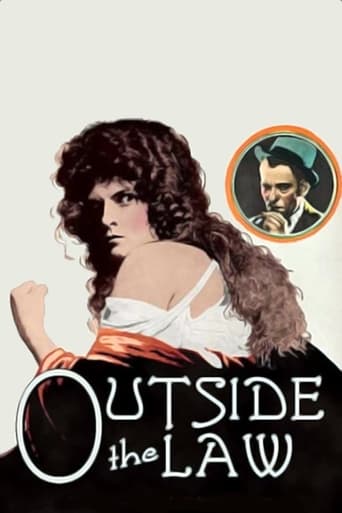
Prominent silent film actress who rose to stardom during the golden age of Hollywood cinema. Beginning her career as a child actress in 1912, she quickly transitioned from small roles to becoming one of Universal Pictures' most bankable stars in the early 1920s. Dean specialized in playing strong, complex female characters often involved in crime dramas and melodramas, frequently collaborating with director Tod Browning in films like 'The Wicked Darling' (1919) and 'Outside the Law' (1920). Her performances were characterized by a naturalistic style that stood out even in the silent era, earning her critical acclaim and a massive fan following. At the height of her career, she commanded one of the highest salaries in Hollywood and was considered Universal's answer to stars like Mary Pickford and Gloria Swanson. Unfortunately, like many silent film stars, Dean's career declined rapidly with the advent of sound pictures, and she made her last film in 1927. After retiring from acting, she lived a relatively private life, leaving behind a legacy as one of the silent era's most versatile and compelling actresses.
The Craft
On Screen
Priscilla Dean was known for her naturalistic and emotionally nuanced performances that brought depth to her characters. Unlike many silent film actresses who relied heavily on exaggerated gestures and facial expressions, Dean employed a more subtle and realistic approach that made her characters feel authentic and relatable. She excelled at playing morally ambiguous women, often portraying characters who straddled the line between innocence and corruption, bringing complexity to roles that could have been one-dimensional. Her ability to convey a wide range of emotions through subtle expressions and body language made her particularly effective in crime dramas and melodramas.
Milestones
- Became Universal Pictures' top female star in the early 1920s
- Established successful partnership with director Tod Browning
- Starred in the hit crime drama 'Outside the Law' (1920)
- Commanded one of Hollywood's highest salaries during her peak years
- Successfully transitioned from child actress to leading lady
Best Known For
Iconic Roles
Must-See Films
Accolades
Special Recognition
- Hollywood Walk of Fame star at 6300 Hollywood Boulevard
Working Relationships
Worked Often With
Studios
Why They Matter
Impact on Culture
Priscilla Dean made a significant impact on silent cinema by helping to establish the crime drama genre as a popular and respectable form of entertainment. Her portrayals of complex female characters challenged the rigid gender stereotypes of the era, showing women who could be both vulnerable and strong, innocent yet streetwise. Dean's success at Universal Pictures helped demonstrate that studios could compete with the major players like MGM and Paramount by developing their own stars and genres. Her collaboration with Tod Browning produced some of the most influential crime films of the silent era, paving the way for later gangster movies in the sound era. Dean's naturalistic acting style influenced other performers who sought to bring more realism to their silent film performances.
Lasting Legacy
Priscilla Dean's legacy lies in her contributions to the development of crime cinema and her role as one of Universal Pictures' earliest major stars. Though largely forgotten by modern audiences, during her lifetime she was considered. Her films with Tod Browning are now recognized as important precursors to the gangster genre that would flourish in the 1930s. Dean's career trajectory also serves as a poignant example of the many silent film stars who were unable to make the transition to sound pictures, highlighting the dramatic changes in the film industry during the late 1920s. Her surviving films continue to be studied by film historians and silent cinema enthusiasts for their artistic merit and historical significance.
Who They Inspired
Dean influenced later actresses by demonstrating that women could carry crime dramas and action-oriented films, genres that had been predominantly male-dominated. Her naturalistic acting style provided an alternative to the more theatrical performances common in silent cinema, influencing performers who sought greater realism. Her successful partnership with Tod Browning helped establish the director-star collaboration model that would become standard in Hollywood. Dean's ability to portray morally complex characters paved the way for more nuanced female roles in later crime films and film noir.
Off Screen
Priscilla Dean's personal life was marked by two marriages and a relatively quiet existence after her film career ended. Her first marriage was to fellow actor Wheeler Oakman in 1920, with whom she frequently co-starred in films. The marriage ended in divorce in 1926, which coincided with the decline of her film career. In 1930, she married William H. Cohen, a successful businessman, and remained with him until his death. Unlike many Hollywood stars of her era, Dean had no children and chose to live away from the public eye after retiring from films. She spent her later years in New York, maintaining connections with former colleagues but rarely granting interviews or making public appearances.
Education
Limited formal education, began acting career as a child performer
Family
- Wheeler Oakman (1920-1926)
- William H. Cohen (1930-1969)
Did You Know?
- Began her film career at age 16 in 1912
- Was one of the highest-paid actresses in Hollywood during her peak years
- Made over 70 films during her 15-year career
- Her collaboration with director Tod Browning produced 8 films together
- Was often typecast as a 'vamp' or femme fatale but brought depth to these roles
- Her divorce from Wheeler Oakman coincided with her career decline
- Retired from films completely by age 31
- Lived for 60 years after her film career ended
- Many of her films are now considered lost
- Received a star on the Hollywood Walk of Fame posthumously
In Their Own Words
In the silent pictures, we had to use our faces and our bodies to tell the story. It was a more honest form of acting, I think.
The public wants to see something real, even in make-believe. That's always been my philosophy.
Frequently Asked Questions
Who was Priscilla Dean?
Prominent silent film actress who starred in over 70 films between 1912 and 1927, becoming one of Universal Pictures' biggest stars in the early 1920s. She was particularly known for her work in crime dramas and her collaborations with director Tod Browning.
What films is Priscilla Dean best known for?
Titles linked here include Outside the Law (1920), The Wicked Darling (1919).
When was Priscilla Dean born and when did she die?
Born November 25, 1896; died December 27, 1987.
What awards did Priscilla Dean win?
While Priscilla Dean did not receive major film awards during her career (the Academy Awards were established near the end of her active period), she did receive a star on the Hollywood Walk of Fame at 6300 Hollywood Boulevard in recognition of her contributions to cinema.
What was Priscilla Dean's acting style?
Dean was known for her naturalistic and emotionally nuanced performances, which stood out in an era often characterized by exaggerated acting. She excelled at portraying morally complex characters and brought depth and authenticity to her roles through subtle expressions and body language.