
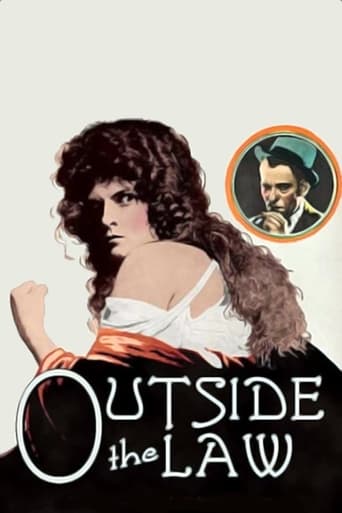
The Exquisite Thief
"loyalty in a silent era tale"
Keys: Space play/pause · ←/→ 10s · F fullscreen · M mute · </> speed
About this film
Hard-pressed, silent era life, blue Jean Billie (Dean), a prosperous young woman crook who lives apart from the denizens of the underworld, has pulled off many robberies of the high society world with the help of her pal Shaver Michael (De Grasse). Billie gains admission to the Vanderhoof dinner at which the e
Cast & crew
More films like this
More Drama films
View all →







More from Tod Browning
View all →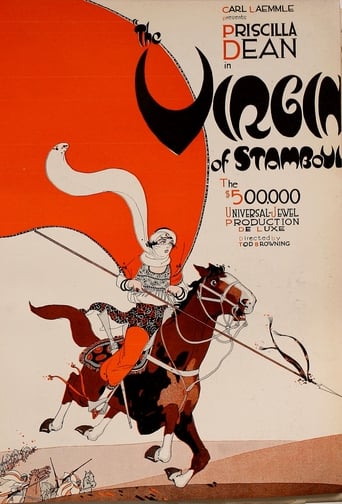
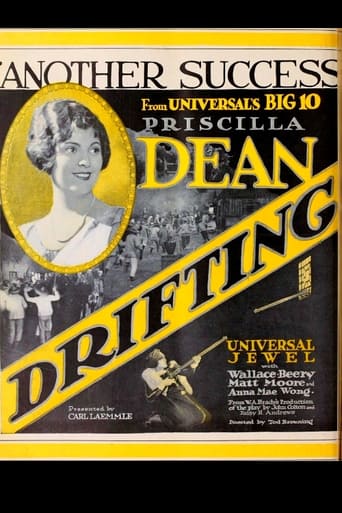

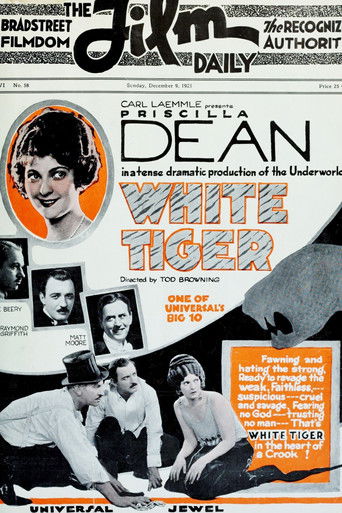

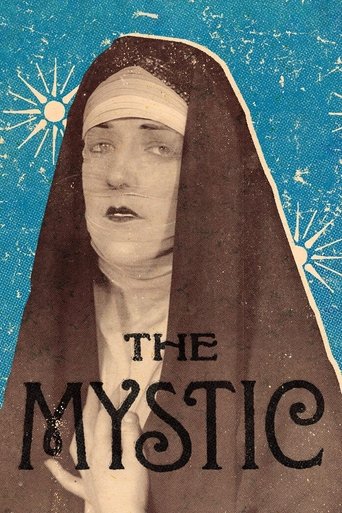
More about this film
About the production
Release dateNovember 24, 1919
ProductionUniversal Film Manufacturing Company
Filmed inUniversal Studios, Universal City, California
This film was part of Universal's successful series of crime melodramas starring Priscilla Dean and directed by Tod Browning during their peak collaborative period. The production utilized Universal's extensive studio facilities and likely employed their standing sets for the high-society dinner scenes. The film was shot during the transition period when Universal was expanding its production capabilities and competing with other major studios for market share in the feature film market.
Themes
Class mobility and social boundariesRedemption through loveThe independent woman in post-war societyCriminal honor codesThe allure of the outsider
Themes & topics
Historical background
Viewers who saw The Exquisite Thief in 1919 experienced it within the conventions of silent era filmmaking. Prints and/or fragments were found in the Dawson Film Find in 1978.
Why this film matters
Film clubs and archives revisit The Exquisite Thief as part of broader silent era programming.
Making of
The production of 'The Exquisite Thief' took place during a particularly creative period in Tod Browning's career, as he was developing his signature style of blending crime, romance, and psychological drama. Browning, who had worked in circuses and vaudeville before entering films, brought a unique understanding of outsider characters to his work. The collaboration with Priscilla Dean was especially fruitful, as she possessed the screen presence and versatility to portray complex characters who could be both criminal and sympathetic. Universal's production system during this era was highly efficient, with films typically being shot in 2-3 weeks and released shortly after completion. The studio's backlot provided the ideal setting for the high-society scenes, while location shooting around Los Angeles provided the necessary urban backdrops for the chase sequences.
What critics said
Surviving reviews and later retrospectives treat The Exquisite Thief as representative silent era fare—valued for craft even when not hailed as a masterpiece.
Did you know?
- This was one of several collaborations between director Tod Browning and star Priscilla Dean, who became Universal's top female star during the late 1910s
- The film is now considered lost, with no known surviving copies in any film archives or private collections
- Tod Browning would later become famous for directing horror classics like 'Dracula' (1931) and 'Freaks' (1932)
- Priscilla Dean was one of the highest-paid actresses of her time, earning over $1,000 per week during this period
- The film was released during the height of the post-World War I film boom when audiences were hungry for sophisticated entertainment
- Universal marketed this film as part of their 'Blue Jean' series, capitalizing on Dean's popularity as a strong female character
- The automobile chase scenes were relatively advanced for their time, showcasing the increasing importance of vehicles in American cinema
- This film was one of over 200 films released in 1919, during among the leading productive years in American film history
- The character of Blue Jean Billie was one of cinema's early examples of a complex female anti-hero who operates outside traditional moral boundaries
- The film's title was changed from the working title 'The Girl Who Couldn't Be Caught' to 'The Exquisite Thief' to emphasize the sophisticated nature of the protagonist
Visual style
The cinematography of 'The Exquisite Thief' was handled by Universal's regular cameramen, though specific credits are lost to history. The film likely employed the sophisticated lighting techniques that Universal was developing during this period, particularly for the high-society dinner scenes which required elegant illumination of the actors and sets. The automobile chase sequences would have utilized mobile camera units, representing the advancing technology of location filming in 1919. The visual style probably reflected the contrast between the opulent world of high society and the more gritty reality of the criminal underworld, using lighting and composition to emphasize these differences. As with many Universal productions of this era, the cinematography would have been efficient yet effective, serving the story without unnecessary flourishes while maintaining a high level of technical competence.
Innovations
While specific technical details are lost due to the film's missing status, 'The Exquisite Thief' likely incorporated several technical innovations common to Universal productions of 1919. The film probably made use of the studio's advanced lighting equipment for the sophisticated interior scenes, and may have employed some of the early techniques for filming automobile chases that were being developed during this period. The production would have utilized Universal's state-of-the-art camera equipment and processing facilities, ensuring high image quality for the time. The film's editing likely reflected the increasingly sophisticated techniques being developed in Hollywood, with smooth transitions between scenes and effective pacing during action sequences. As part of Universal's commitment to quality production values, the film would have represented the technical standards of major studio filmmaking during the transitional period of the late 1910s.
Music
As a silent film, 'The Exquisite Thief' would have been accompanied by live musical performance during its theatrical run. Universal typically provided cue sheets with suggestions for appropriate music to accompany their films, compiled from classical pieces and popular songs of the era. The score likely included romantic themes for the developing relationship between Billie and Lord Chesterton, suspenseful music for the robbery and chase sequences, and sophisticated waltzes or popular songs for the high-society scenes. The musical accompaniment would have been performed by theater organists or small orchestras, with larger theaters possibly employing full orchestras for major releases. The emotional impact of the film would have been significantly enhanced by this live musical element, which was an integral part of the silent film experience.
Famous quotes
A thief's heart is not so different from any other heart when love enters it.
In a world of thieves, honesty is the greatest crime.
Society locks its doors against those it fears, but love finds no locks it cannot open.
The most exquisite things in life are often stolen.
Memorable scenes
- The daring robbery of the Vanderhoof dinner party where Blue Jean Billie moves among the wealthy guests, stealing their jewels while they remain unaware
- The first automobile chase sequence as Billie flees the crime scene with only Lord Chesterton successfully pursuing her
- The moment when Lord Chesterton becomes Billie's prisoner and their relationship begins to transform from adversarial to romantic
- The final confrontation where all characters converge, leading to the resolution of the various conflicts and relationships
What audiences thought
The film was well-received by audiences upon its release, performing solidly at the box office during the lucrative holiday season of late 1919. Audience response was particularly enthusiastic about Priscilla Dean's portrayal of the sophisticated thief, with many viewers relating to the character's independence and resourcefulness. The film's combination of crime, romance, and high-society settings appealed to the increasingly sophisticated movie-going public of the post-war era. Contemporary trade publications reported strong attendance figures, particularly in urban markets where such crime melodramas were most popular. The film's success contributed to Dean's status as one of Universal's most reliable box office draws during this period, helping the studio compete with the increasingly dominant Paramount and MGM productions.
Film connections
Influenced by
- Earlier crime melodramas from Universal
- The popular 'jewel thief' genre of the 1910s
- Contemporary newspaper stories about sophisticated criminals
- The tradition of the 'female criminal with a heart of gold' in literature and theater
- Post-war fascination with European aristocracy and American wealth
This film influenced
- Later Universal crime melodramas
- The development of the female-led crime genre in the 1920s
- Tod Browning's later explorations of outsider characters
- The evolution of the 'criminal with redeeming qualities' archetype in cinema
Film restoration
The Exquisite Thief is currently considered a lost film. No copies are known to exist in any film archives, including the Library of Congress, the Museum of Modern Art, or the UCLA Film & Television Archive. The film was likely lost due to the nitrate decomposition that destroyed many silent-era films, particularly those from Universal, which did not maintain comprehensive preservation programs during the 1920s and 1930s. Only promotional materials, still photographs, and contemporary reviews remain as documentation of the film's existence.
Where to watch
- Unfortunately, this film is not available for viewing as it is considered lost. No known copies exist in any film archives or private collections. Only still photographs, promotional materials, and written reviews from the period remain as documentation of this Tod Browning-Priscilla Dean collaboration.