Thurston Hall
Actor
Born: May 10, 1882 in Boston, Massachusetts, USA Died: February 20, 1958 Active: 1915-1946 Birth Name: Ernest Thurston Hall
Films
3 films

About Thurston Hall
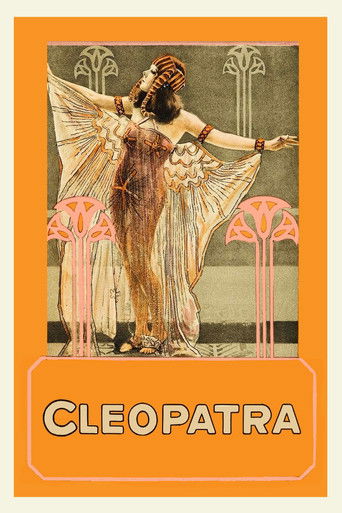
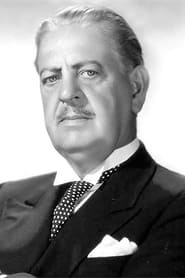
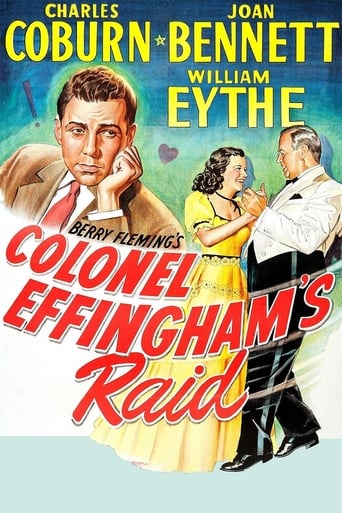
American character actor: nearly three decades of Hollywood's golden era, beginning in the silent film period and successfully transitioning to sound pictures. Born in 1882, Hall established himself as a reliable supporting player known for his authoritative presence and commanding voice, often portraying wealthy businessmen, aristocrats, military officers, and government officials. His breakthrough came during the silent era with roles in films like Cleopatra (1917) opposite Theda Bara, where his imposing stature and theatrical background served him well. As talkies emerged, Hall's deep, resonant voice and polished diction made him particularly valuable, leading to consistent work throughout the 1930s and 1940s. Thurston appears in over 200 films, frequently typecast as the stern but fair authority figure or the sophisticated villain. Hall's later career saw him in memorable supporting roles in comedies and dramas, including his final film Colonel Effingham's Raid (1946). His ability to convey both gravitas and subtle humor made him a favorite among directors seeking reliable character actors who could elevate any scene with their presence.
The Craft
On Screen
Hall was known for his commanding presence and authoritative demeanor, utilizing his deep, resonant voice and theatrical training to create memorable characterizations. His acting style was rooted in the theatrical tradition, emphasizing clear diction and deliberate movements that translated well from stage to screen. He excelled at portraying men of power and influence, bringing a natural gravitas to roles as judges, senators, industrialists, and military officers. Hall's performances were characterized by a subtle blend of stern authority and underlying warmth, allowing him to play both antagonists and sympathetic figures with equal effectiveness.
Milestones
- Breakthrough role in Cleopatra (1917) opposite Theda Bara
- Successful transition from silent films to talkies
- Appeared in over 200 films during his career
- Became typecast as authority figures and wealthy businessmen
- Final film appearance in Colonel Effingham's Raid (1946)
Best Known For
Iconic Roles
Must-See Films
Accolades
Special Recognition
- Hollywood Walk of Fame star (located at 6701 Hollywood Boulevard)
Working Relationships
Worked Often With
Studios
Why They Matter
Impact on Culture
Thurston Hall contributed significantly to the fabric of classic Hollywood cinema through his consistent portrayals of authority figures that helped define the visual and narrative language of American films during the studio era. His characters often represented the establishment, serving as both obstacles and support systems for protagonists in countless films of the 1930s and 1940s. Hall's ability to embody institutional authority with nuance and authenticity helped audiences understand and relate to the power structures depicted in classic cinema. His work in films like Mr. Smith Goes to Washington exemplified how character actors could provide essential context and credibility to stories about American democracy and governance.
Lasting Legacy
Thurston Hall's legacy endures through his extensive filmography, which serves as a valuable record of character acting craftsmanship during Hollywood's golden age. While never a leading man, Hall's contributions to over 200 films demonstrate the crucial role that reliable character actors played in building the foundation of classic cinema. His performances continue to be studied by film scholars and appreciated by classic movie enthusiasts for their technical precision and emotional authenticity. Hall's career trajectory from silent films through the transition to sound exemplifies the adaptability required of actors during this transformative period in film history.
Who They Inspired
Hall influenced subsequent generations of character actors through his demonstration of how to create memorable, three-dimensional supporting roles within the constraints of the studio system. His approach to portraying authority figures with both gravitas and humanity set a standard for actors in similar roles. Younger actors often studied his techniques for conveying power and status through voice, posture, and subtle gestures. Hall's successful career transition from silent films to talkies provided a model for other actors facing the challenges of new technology in the film industry.
Off Screen
Thurston Hall was married twice during his lifetime. His first marriage was to actress Quenda Hackett, with whom he had one child. The marriage ended in divorce, and he later married his second wife, with whom he remained until his death. Hall was known as a private individual who maintained a relatively low public profile despite his extensive film career. He was well-regarded by his colleagues in the industry for his professionalism and reliability on set. After retiring from acting in 1946, Hall lived a quiet life in Beverly Hills until his death from a heart attack in 1958 at the age of 75.
Education
Educated in Boston schools, received theatrical training in New York
Family
- Quenda Hackett (1913-1925)
- Vera Hall (1926-1958)
Did You Know?
- Appeared in over 200 films during his 30-year career
- Successfully transitioned from silent films to talkies, which many actors of his generation failed to do
- Was often typecast as wealthy businessmen, earning him the nickname 'The Millionaire's Actor'
- Had a background in theater before entering films, which contributed to his polished acting style
- Despite playing authority figures, he never served in the military in real life
- His deep voice made him particularly valuable in radio adaptations of his films
- Often played characters much older than his actual age
- Worked with virtually every major studio during his career
- Was one of the few actors from the silent era to maintain steady employment through the 1940s
- Received a star on the Hollywood Walk of Fame for his contributions to motion pictures
In Their Own Words
In this business, you learn early that being reliable is more valuable than being brilliant.
I never played the lead, but I always led the scene when I was in it.
The secret to playing authority is understanding that real power doesn't need to shout.
Frequently Asked Questions
Who was Thurston Hall?
American character with credits in this catalog. He successfully transitioned from silent films to talkies and became one of Hollywood's most reliable supporting actors during the golden age of cinema.
What films is Thurston Hall best known for?
Titles linked here include Cleopatra (1917), The Exquisite Thief (1919).
When was Thurston Hall born and when did he die?
Born May 10, 1882; died February 20, 1958.
What awards did Thurston Hall win?
While Thurston Hall did not receive major acting awards during his career, he was honored with a star on the Hollywood Walk of Fame at 6701 Hollywood Boulevard for his significant contributions to motion pictures.
What was Thurston Hall's acting style?
Hall was known for his commanding presence and authoritative demeanor, utilizing his deep voice and theatrical training to create memorable characterizations. He excelled at portraying men of power with a blend of stern authority and underlying warmth, making him particularly effective as both villains and sympathetic figures.