
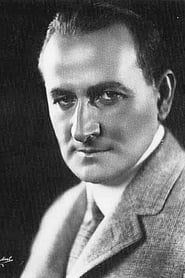
Sam De Grasse
Actor
Born: June 4, 1875 in Bathurst, New Brunswick, Canada Died: November 29, 1953 Active: 1912-1949 (most active 1915-1928) Birth Name: Samuel Alfred De Grasse
Films
15 films
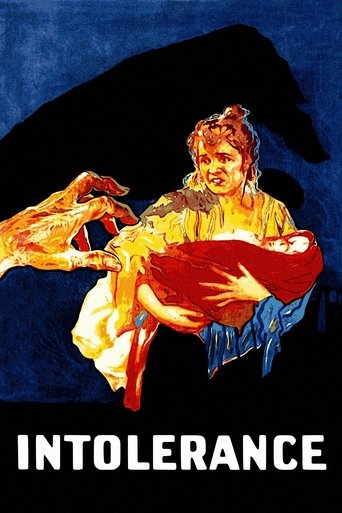
Intolerance: Love's Struggle Throughout the Ages
1916
Martyrs of the Alamo
1915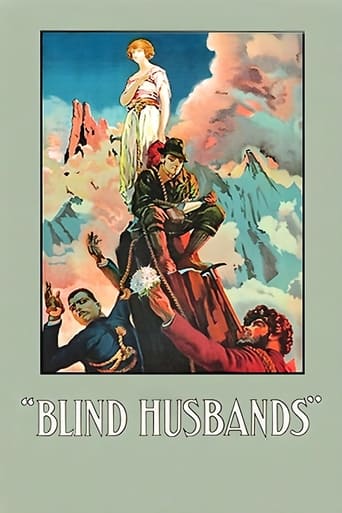
Blind Husbands
1919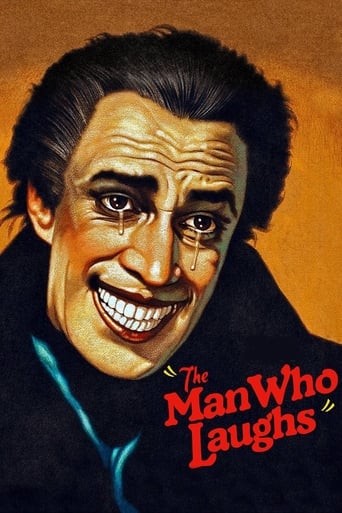
The Man Who Laughs
1928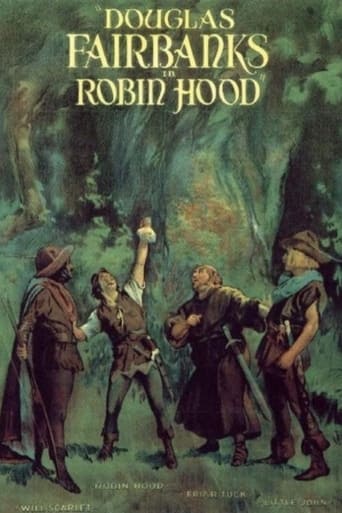
Robin Hood
1922
The Exquisite Thief
1919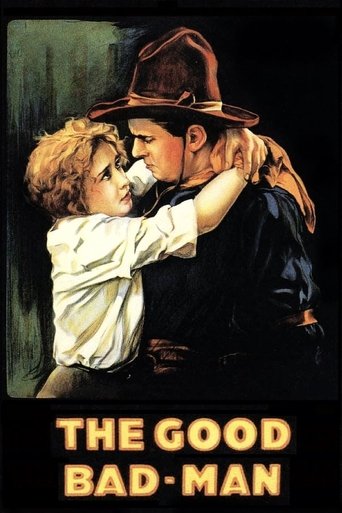
The Good Bad-Man
1916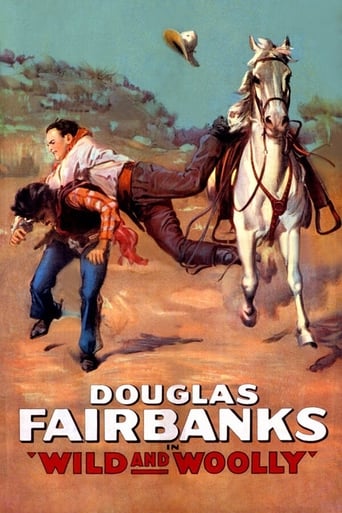
Wild and Woolly
1917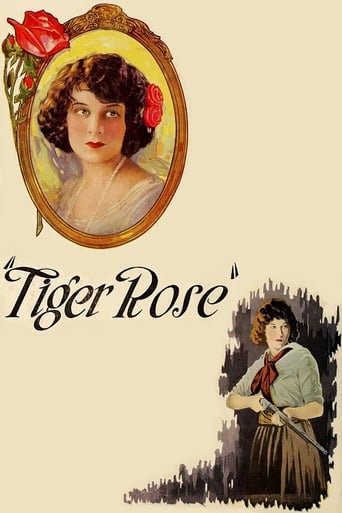
Tiger Rose
1923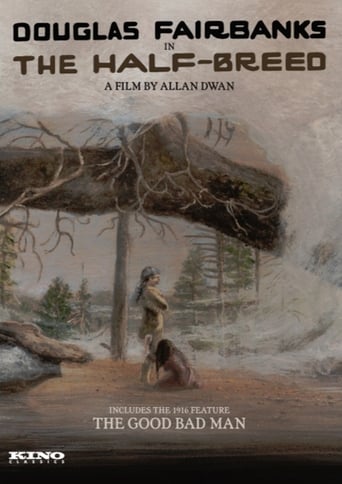
The Half-Breed
1916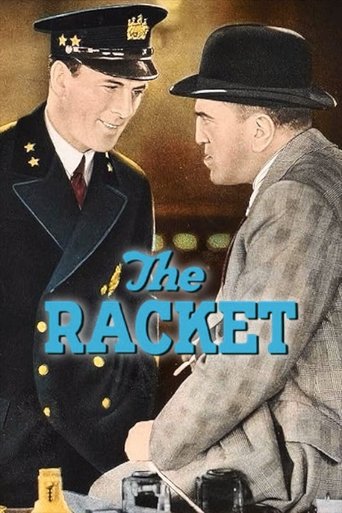
The Racket
1928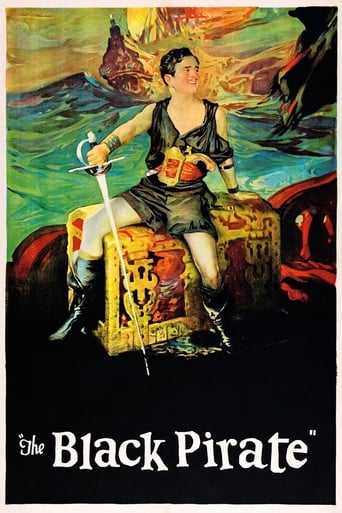
The Black Pirate
1926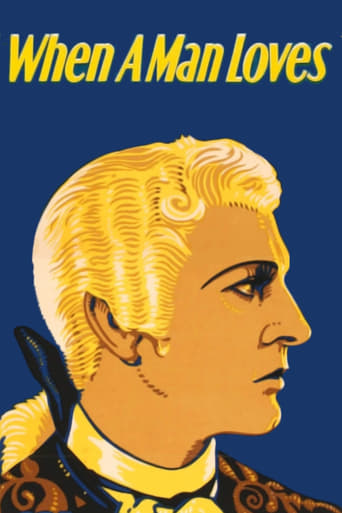
When a Man Loves
1927
The Scarlet Car
1917About Sam De Grasse
Samuel Alfred De Grasse — Canadian-born American actor who became recognizable character actors and villains of the silent film era. After initially training as a dentist and practicing in New Brunswick, he moved to the United States and transitioned to acting around 1912. His breakthrough came when he was discovered by director D.W. Griffith, who cast him in several of his landmark films including the controversial 'The Birth of a Nation' (1915) and the epic 'Intolerance' (1916). De Grasse developed a reputation for playing sophisticated villains and antagonists, particularly in swashbuckling adventure films starring Douglas Fairbanks, where his aristocratic bearing and piercing eyes made him the perfect foil to Fairbanks' heroic characters. Throughout the 1920s, he appeared in over 100 films, working with some of the biggest stars and directors of the era. As sound films emerged, his career began to wane, though he continued to appear in smaller roles through the 1930s and 1940s. He retired from acting in the late 1940s, leaving behind a legacy as one of silent cinema's most memorable character actors.
The Craft
On Screen
De Grasse was known for his refined, aristocratic screen presence and his ability to portray sophisticated villains with subtle menace. His acting style was typical of the theatrical approach common in silent films, featuring exaggerated gestures and facial expressions that could convey emotion without dialogue. He had a distinctive look with sharp features, intense eyes, and a commanding presence that made him particularly effective as an antagonist. Unlike many silent film actors who relied on broad melodrama, De Grasse brought a nuanced intelligence to his villainous roles, often portraying educated, calculating antagonists rather than simple thugs.
Milestones
- Discovered by D.W. Griffith and cast in 'The Birth of a Nation' (1915)
- Starred in Griffith's epic 'Intolerance' (1916)
- Became Douglas Fairbanks' favorite on-screen antagonist
- Appeared in 'The Mark of Zorro' (1920) establishing the villain archetype
- Starred in 'Robin Hood' (1922) as Prince John
- Appeared in 'The Thief of Bagdad' (1924)
- Starred in 'The Black Pirate' (1926)
- Transitioned successfully to early sound films with 'The Iron Mask' (1929)
Best Known For
Iconic Roles
Must-See Films
Accolades
Special Recognition
- Contributed to the development of the villain archetype in silent cinema
- Recognized as one of D.W. Griffith's regular company members
Working Relationships
Worked Often With
Studios
Why They Matter
Impact on Culture
Sam De Grasse played a significant role in establishing the archetype of the sophisticated villain in American cinema. His work with D.W. Griffith helped define the visual language of antagonistic characters in silent films, influencing how villains would be portrayed for decades. His collaborations with Douglas Fairbanks essentially created the template for the swashbuckling adventure genre, with his aristocratic villains providing the perfect counterpoint to Fairbanks' athletic heroes. De Grasse's ability to convey menace through subtle expressions and refined mannerisms helped elevate the art of screen acting beyond the broad melodrama common in early cinema.
Lasting Legacy
Sam De Grasse's legacy endures as one of silent cinema's most recognizable character actors and the definitive villain of the swashbuckling genre. His performances in films like 'Robin Hood' and 'The Mark of Zorro' set the standard for how antagonists would be portrayed in adventure films for generations. While many silent film stars faded into obscurity, De Grasse's distinctive villainous roles have been preserved through film restoration and continue to be studied by film historians. His career trajectory from dentist to respected actor also represents the opportunities that early Hollywood offered to talented individuals from diverse backgrounds.
Who They Inspired
De Grasse influenced subsequent generations of character actors who specialized in villainous roles. His refined, intelligent approach to playing antagonists helped move away from one-dimensional mustache-twirling villains toward more nuanced antagonists. His work with Douglas Fairbanks established the dynamic between hero and villain that would define the action-adventure genre. Many later character actors, including Basil Rathbone and Claude Rains, would build upon the foundation De Grasse helped establish for sophisticated screen villains.
Off Screen
Sam De Grasse led an interesting dual life before his entertainment career, initially training and working as a dentist in his native Canada. He married Ada Cummings in 1902, with whom he had two children before their divorce. In 1917, he married actress Mary McFadden, who was also active in films. His nephew, Robert De Grasse, followed in his footsteps to become a successful cinematographer in Hollywood. After retiring from acting, De Grasse lived quietly in Los Angeles until his death at age 78.
Education
Trained as a dentist at dental school in Canada, practiced dentistry before entering films
Family
- Ada Cummings (1902-1917)
- Mary McFadden (1917-1953)
Did You Know?
- Originally trained as a dentist and practiced in Canada before entering films
- Was discovered by D.W. Griffith while performing in stage productions
- Appeared in over 200 films during his career
- Often played the same type of villainous character in Douglas Fairbanks films
- His nephew Robert De Grasse became a prominent cinematographer
- Was one of the few actors to successfully transition from Griffith's company to Fairbanks' films
- His distinctive look included piercing eyes that made him particularly effective as a villain
- Appeared in both 'The Birth of a Nation' and 'Intolerance', Griffith's two most famous epics
- Continued acting into the sound era, though in smaller roles
- Was Canadian by birth but became a naturalized American citizen
In Their Own Words
(On being typecast as a villain) 'The audience loves to hate me, and I love giving them what they want'
(On working with Douglas Fairbanks) 'Doug was the perfect hero because he made every villain look better by comparison'
(On his transition from dentistry to acting) 'I went from pulling teeth to pulling heartstrings'
Frequently Asked Questions
Who was Sam De Grasse?
Canadian-born American with credits in this catalog.
What films is Sam De Grasse best known for?
Titles linked here include Intolerance: Love's Struggle Throughout the Ages (1916), The Mark of Zorro (1920).
When was Sam De Grasse born and when did he die?
Born June 4, 1875; died November 29, 1953.
What awards did Sam De Grasse win?
Sam De Grasse did not receive major formal awards during his career, as many acting awards were not established during the peak of his career in the silent era, though he was recognized as one of the era's most reliable character actors.
What was Sam De Grasse's acting style?
De Grasse specialized in playing sophisticated villains with refined, aristocratic mannerisms, using his sharp features and intense eyes to convey menace through the theatrical expression style required for silent films.
How did Sam De Grasse get into acting?
De Grasse originally trained and worked as a dentist in Canada before moving to the United States, where he was discovered by director D.W. Griffith while performing in stage productions, leading to his film career.
What was Sam De Grasse's relationship to Douglas Fairbanks?
De Grasse became Fairbanks' favorite on-screen antagonist, appearing as the villain in many of his most famous swashbuckling films, creating one of silent cinema's most memorable hero-villain dynamics.