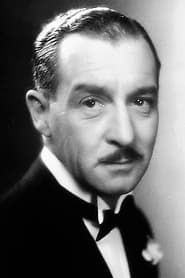
Albert Conti
Actor
Born: January 29, 1887 in Trieste, Austria-Hungary (now Italy) Died: January 13, 1967 Active: 1924-1943 Birth Name: Alberto Conti
Films
8 films
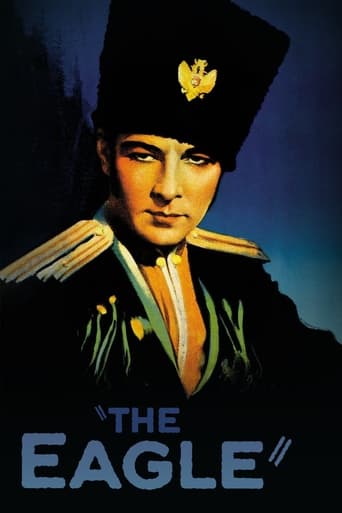

About Albert Conti
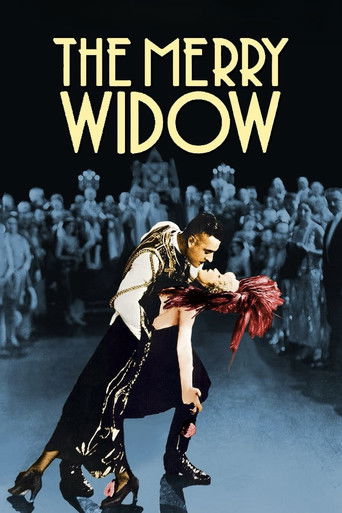
Albert Conti, born Alberto Conti, was an Austrian-American character actor who enjoyed a prolific career during Hollywood's transition from silent films to talkies. After establishing himself as a stage actor in Europe, he immigrated to the United States and made his film debut in 1924, quickly finding work in the burgeoning Hollywood studio system. Conti specialized in playing sophisticated aristocrats, continental villains, and foreign dignitaries, leveraging his European accent and appearance to great effect. He worked steadily throughout the late 1920s, appearing in notable silent films like 'The Merry Widow' (1925) directed by Erich von Stroheim and 'The Eagle' (1925) starring Rudolph Valentino. Unlike many silent film actors whose careers ended with the advent of sound, Conti successfully transitioned to talkies, his accent becoming an asset rather than a liability. He continued acting in supporting roles through the 1930s and early 1940s, appearing in over 100 films before retiring from the screen. His final film appearance was in 1943, after which he lived quietly in Hollywood until his death in 1967.
The Craft
On Screen
Conti was known for his refined, continental demeanor and ability to portray sophisticated European characters with authenticity. His acting style was characterized by precise diction, aristocratic bearing, and a subtle yet commanding screen presence that made him ideal for roles as noblemen, diplomats, and villains. In silent films, he used expressive facial features and body language to convey complex emotions, while in talkies, his distinctive European accent became his trademark, lending credibility to his foreign character portrayals.
Milestones
- Successful transition from European stage to Hollywood films
- Appeared in over 100 films during his 19-year career
- Worked with legendary directors including Erich von Stroheim and Clarence Brown
- Successfully transitioned from silent films to talkies
- Married to popular silent film star Patsy Ruth Miller
- Specialized in aristocratic and villainous roles throughout his career
Best Known For
Iconic Roles
Must-See Films
Working Relationships
Worked Often With
Studios
Why They Matter
Impact on Culture
Albert Conti represents the archetype of the European character actor who found success in Golden Age Hollywood by specializing in roles that American actors could not convincingly portray. His career trajectory from silent films to talkies exemplifies how some foreign-born actors were able to leverage their accents and cultural backgrounds as assets rather than obstacles during the industry's transition to sound. Conti's consistent work as a supporting player in major productions contributed to the authentic international flavor of many Hollywood films of the 1920s and 1930s.
Lasting Legacy
Though never a leading man, Albert Conti left a lasting legacy as one of Hollywood's most reliable character actors during the studio system era. His ability to seamlessly transition between silent films and talkies while maintaining a steady career serves as an example of adaptability in an industry known for its rapid changes. Today, film historians and classic cinema enthusiasts recognize Conti as an essential part of the fabric that made Golden Age Hollywood films so rich and diverse in their casting.
Who They Inspired
Conti influenced subsequent generations of foreign-born character actors in Hollywood by demonstrating how a distinctive accent and European bearing could become career assets rather than limitations. His success paved the way for other European actors to find steady work in Hollywood by embracing their cultural differences rather than attempting to conceal them. Many later character actors, including those from the 1940s and 1950s, followed his example of specializing in roles that matched their authentic backgrounds.
Off Screen
Albert Conti married silent film actress Patsy Ruth Miller in 1926, who was known for her role as Esmeralda in 'The Hunchback of Notre Dame' (1923). Their marriage was highly publicized in Hollywood society columns during the late 1920s. The couple divorced in 1931, after which Conti remained unmarried for the rest of his life. He was known as a private individual who maintained a small circle of friends within the film industry and rarely gave interviews to the press.
Education
Educated in Europe, studied acting and theater in Vienna before beginning his stage career
Family
- Patsy Ruth Miller (1926-1931)
Did You Know?
- Born in Trieste when it was part of Austria-Hungary, the city is now in Italy
- Worked as a stage actor in Vienna and Berlin before coming to Hollywood
- Spoke multiple languages fluently, which helped him secure diverse roles
- His ex-wife Patsy Ruth Miller wrote about their marriage in her autobiography
- Appeared in films with many of the biggest stars of the silent era
- Often typecast as villains due to his stern features and European accent
- Made a smooth transition to sound films unlike many of his contemporaries
- Was a favorite of director Erich von Stroheim, who cast him multiple times
- Retired from acting in 1943 but lived another 24 years in Hollywood
- His final film appearance was in an uncredited role in 'Chetniks! The Fighting Guerrillas' (1943)
Frequently Asked Questions
Who was Albert Conti?
Austrian-American character with credits in this catalog. He specialized in playing aristocratic and villainous roles, appearing in over 100 films between 1924 and 1943, including notable works like 'The Merry Widow' and 'The Eagle'.
What films is Albert Conti best known for?
Titles linked here include The Merry Widow (1925), The Eagle (1925).
When was Albert Conti born and when did he die?
Born January 29, 1887; died January 13, 1967.
What awards did Albert Conti win?
Despite his long and prolific career, Albert Conti did not receive any major awards or nominations. Like many character actors of his era, his contributions were recognized through steady employment rather than formal accolades.
What was Albert Conti's acting style?
Conti was known for his refined, continental demeanor and specialized in portraying sophisticated European characters. His acting featured precise diction, aristocratic bearing, and a commanding presence that made him ideal for roles as noblemen, diplomats, and villains in both silent and sound films.