
Woman to Woman
"War steals a soldier's memory and strands his pregnant lover."
Keys: Space play/pause · ←/→ 10s · F fullscreen · M mute · </> speed
About this film
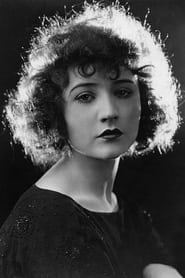
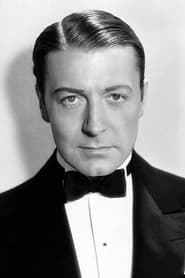
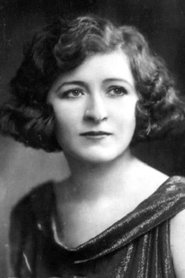
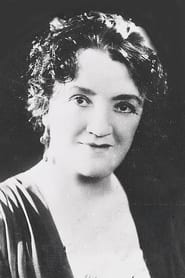
Lost film. David Compton leaves his expecting French girl-friend Louise Boucher, a dancer at the Moulin Rouge, for the war where he looses his memory. Building a new life from scratch after the war, he gets married in London. Louise, now a mother, thinks him dead. She becomes a famous dancer under the name Deloryse but falls gravely ill. One night, as David is in the audience of her show, he recovers his memory. When she learns that David is married to another woman, Louise turns her son in the care of David's new wife and accepting a dancing job at a party, she dies there of exhaustion and so…
Cast & crew
More films like this
More Drama films
View all →







More from Graham Cutts
View all →More about this film
About the production
Release dateOctober 1923
Box officeUnknown
ProductionGainsborough Pictures
Filmed inLondon, England, Paris, France (studio sets)
This film was produced during the golden age of British silent cinema and was among the costliest British productions of its time. The film featured elaborate sets designed to recreate Parisian locations, including a detailed recreation of the Moulin Rouge. The production faced challenges in creating convincing war sequences and memory loss effects without modern technology.
Themes
Memory and IdentitySacrifice and RedemptionLove and LossWar TraumaMaternal Devotion
Themes & topics
Historical background
By 1923, Woman to Woman was shaped by late silent cinema technology, distribution, and audience expectations.
Why this film matters
Woman to Woman (1923) helps trace genre evolution, performer careers, and exhibition practices of its period.
Making of
Woman to Woman was a landmark production in British cinema history, marking the beginning of Alfred Hitchcock's association with Gainsborough Pictures. Hitchcock, then just 24 years old, served as assistant director to Graham Cutts and also contributed to the screenplay adaptation. The production was ambitious for its time, featuring expensive location shooting, elaborate sets, and international star power with American actress Betty Compson. The film's success led to a series of collaborations between Hitchcock and Cutts, though their relationship became strained as Hitchcock's talent grew. The production team employed innovative techniques for depicting memory loss, including double exposures and dissolves that were considered groundbreaking for the time. The film's emotional intensity was enhanced by Compson's method acting approach, which was unusual for the silent era.
What critics said
Later retrospectives treat Woman to Woman (1923) as representative late silent cinema fare valued by archivists and genre historians.
Did you know?
- This was Alfred Hitchcock's first significant film credit as an assistant director and writer, working under director Graham Cutts
- The film was so successful that it was remade in 1929 as an early sound film, also starring Betty Compson
- Betty Compson was one of the highest-paid actresses of the silent era and was paid a record sum for her role in this British production
- The film was based on a popular stage play by Michael Morton
- Clive Brook and Betty Compson would later star together in several other films, becoming a popular on-screen couple
- The film was considered lost for decades until fragments were discovered in film archives, though no complete copy exists
- The Moulin Rouge scenes were filmed on elaborate sets at Islington Studios in London
- The film's success helped establish Gainsborough Pictures as a major British studio
- The war sequences were filmed using actual British Army uniforms and equipment obtained from military surplus
- The film's theme of amnesia was a popular trope in silent cinema, allowing for dramatic plot developments
Awards & recognition
- None documented
Visual style
The cinematography of Woman to Woman was handled by Hal Young, who employed innovative techniques for the period. The film featured elaborate lighting schemes to create dramatic shadows and highlights, particularly in the Moulin Rouge sequences. Young used soft focus techniques to emphasize emotional moments and employed tracking shots that were relatively advanced for British cinema of the time. The war sequences utilized handheld camera techniques to create a sense of chaos and immediacy. The film's visual style was influenced by German Expressionist cinema, particularly in its use of dramatic lighting and composition to convey psychological states.
Innovations
Woman to Woman featured several technical innovations for British cinema of the period. The film employed sophisticated double exposure techniques to depict memory sequences and dream states. The production used elaborate matte paintings to create the illusion of Parisian locations, a technique that was still relatively new in 1923. The film's war sequences featured innovative editing techniques, including rapid cutting to create tension and chaos. The production also utilized complex makeup effects to show the passage of time and the physical toll of illness on the characters.
Music
As a silent film, Woman to Woman would have been accompanied by live musical performance during its theatrical run. The original score was composed by Louis Meyer and featured a mix of classical pieces and original compositions tailored to the film's emotional beats. The Moulin Rouge sequences would have featured lively, Parisian-style music, while the dramatic scenes were accompanied by more somber, romantic themes. The film's success led to the publication of sheet music for its main themes, which became popular parlor pieces in the 1920s.
Famous quotes
Memory is the soul's diary, and when the pages are torn, the heart must write anew.
In the dance of life, some steps are lost forever, but the music remains in our hearts.
Love is the one memory that even amnesia cannot completely erase.
Memorable scenes
- The dramatic Moulin Rouge performance where Deloryse's dancing triggers David's memory recovery
- The emotional confrontation scene where Louise learns of David's marriage
- The tragic final scene where Louise collapses during her performance, having sacrificed herself for her son's future
- The war sequence showing David's injury and memory loss
- The poignant moment when Louise entrusts her son to David's wife
What audiences thought
The film was a major commercial success upon its release, running for extended engagements in London and other major cities. Audiences were particularly moved by the film's emotional storyline and Betty Compson's performance, with many reports of viewers being reduced to tears during the film's tragic conclusion. The film's success at the British box office was unusual for a domestic production of the period, as American films typically dominated. Its popularity extended to international markets, including the United States where it was distributed by Paramount Pictures. The film's themes of lost love and sacrifice resonated deeply with post-war audiences who had experienced similar losses during World War I.
Film connections
Influenced by
- German Expressionist Cinema
- Hollywood Melodramas
- Stage Plays of the 1920s
This film influenced
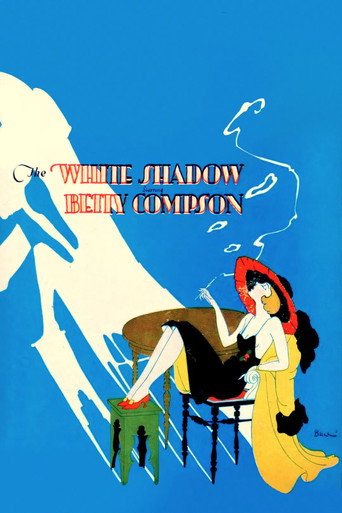
- The White Shadow (1923)
- The Manxman (1929)
- The 39 Steps (1935)
- Rebecca (1940)
Film restoration
Woman to Woman is considered a lost film, with no complete copies known to exist. Only fragments and still photographs from the production survive in various film archives, including the British Film Institute. The film's loss is particularly significant due to its importance in Alfred Hitchcock's early career. Some fragments were discovered in the 1990s in a private collection, but they represent only a small portion of the original film. The loss is attributed to the decomposition of nitrate film stock, which was common for films of this era.
Where to watch
- Unfortunately, this film is not available for viewing as it is considered lost. Only fragments and still photographs exist in film archives. The British Film Institute holds some surviving materials in their collection.