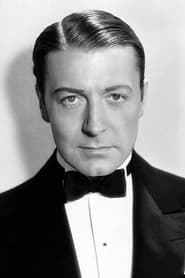
Clive Brook
Actor
Born: June 1, 1887 in London, England Died: November 17, 1974 Active: 1919-1963
Films
8 films
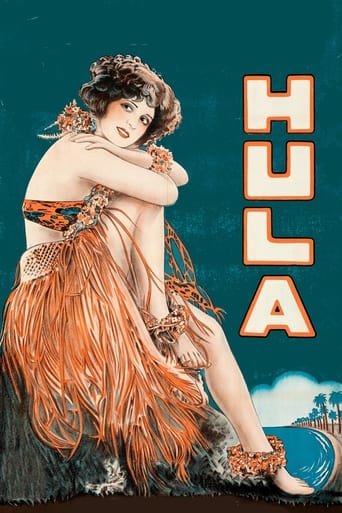
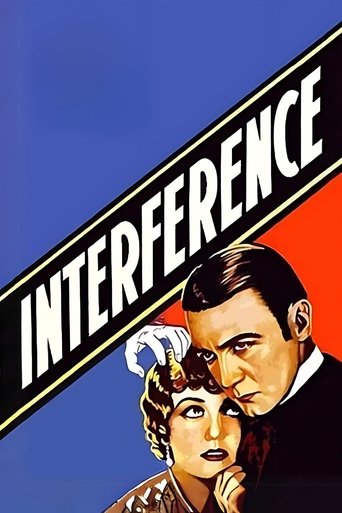

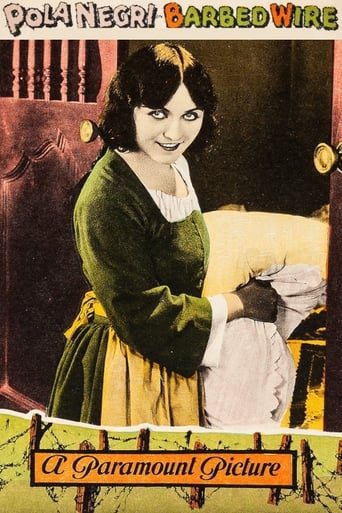
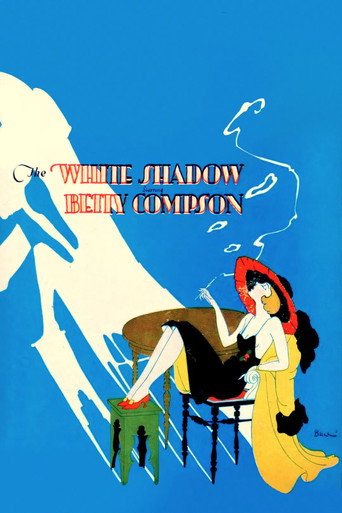
About Clive Brook
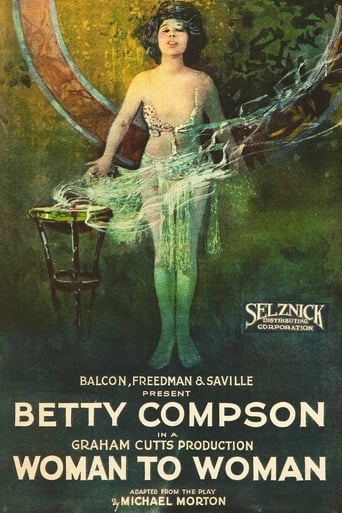
Clive Brook appears once in this catalog: Woman to Woman (1923). Beginning his career on the British stage after serving in World War I, Brook transitioned to films in the early 1920s and quickly rose to international prominence. His breakthrough came with 'Woman to Woman' (1923), which led to a contract with Paramount Pictures and established him as a major star in Hollywood. Brook's elegant demeanor, refined acting style, and aristocratic bearing made him particularly popular in roles as gentlemen, detectives, and sophisticated romantic leads. He successfully navigated the challenging transition from silent to sound films, notably portraying Sherlock Holmes in 'The Return of Sherlock Holmes' (1929). After his Hollywood peak, Brook returned to Britain in the 1930s where he continued his career in films and later television, demonstrating remarkable longevity in an industry known for its fleeting stardom.
The Craft
On Screen
Clive Brook was renowned for his sophisticated and understated acting style that emphasized restraint and elegance over theatrical melodrama. His British stage training provided him with natural dignity and refinement that translated exceptionally well to the screen, particularly in roles requiring aristocratic bearing and intellectual depth. In silent films, Brook mastered the art of subtle facial expressions and controlled body language, allowing him to convey complex emotions with minimal gestures. His transition to sound films was seamless due to his clear, cultured voice and precise diction, which complemented his visual sophistication. Brook often portrayed intelligent, composed characters with underlying wit and emotional depth, creating a distinctive screen persona that influenced subsequent British actors in Hollywood.
Milestones
- Breakthrough role in 'Woman to Woman' (1923)
- Leading man at Paramount Pictures during late 1920s
- Iconic portrayal of Sherlock Holmes in 'The Return of Sherlock Holmes' (1929)
- One of the highest-paid actors in Hollywood by 1929
- Successful transition from silent films to talkies
- Return to British cinema in the 1930s
- Later career in British television dramas
- Published novelist and playwright
Best Known For
Iconic Roles
Must-See Films
Accolades
Won
- Commander of the Order of the British Empire (CBE) - 1948
Special Recognition
- Hollywood Walk of Fame star (Motion Pictures) - 6201 Hollywood Blvd
- Commander of the Order of the British Empire (CBE) for services to drama
- British Film Institute recognition for contributions to cinema
Working Relationships
Worked Often With
Studios
Why They Matter
Impact on Culture
Clive Brook significantly influenced the portrayal of British sophistication and refinement in Hollywood cinema during the 1920s and early 1930s. He helped establish the archetype of the elegant, intellectual British leading man that would become a recurring figure in American cinema. Brook's success demonstrated that British actors could achieve stardom in Hollywood while maintaining their distinctive cultural identity and mannerisms, paving the way for subsequent British stars. His portrayal of Sherlock Holmes was particularly influential, helping to cement the visual and behavioral characteristics associated with the character in film adaptations. Brook represented a bridge between British theatrical tradition and American cinematic innovation, bringing a level of sophistication and intellectual depth to popular entertainment that elevated the medium's artistic aspirations.
Lasting Legacy
Clive Brook's lasting legacy lies in his embodiment of British elegance and his masterful navigation of the transition from silent to sound films. He established a template for the sophisticated British leading man in Hollywood that influenced generations of actors who followed. Brook's work as Sherlock Holmes helped define the character's screen persona for decades, while his successful career in both British and American cinema demonstrated the international appeal of British talent. His ability to transition from leading man roles to character parts in his later years provided a model for career longevity in an industry known for its disposability of aging stars. Brook's intellectual pursuits beyond acting, including his writing and painting, also contributed to a broader understanding of actors as multifaceted artists rather than mere performers.
Who They Inspired
Clive Brook influenced subsequent British actors in Hollywood by proving that maintaining distinctly British characteristics could be an asset rather than a liability in American cinema. His understated acting style contrasted with the more theatrical approaches common in silent films and helped usher in a more naturalistic performance style that would become standard in sound films. Brook's success as Sherlock Holmes influenced subsequent portrayals of the character, establishing expectations for the detective's physical appearance and behavioral mannerisms. His career demonstrated the viability of international stardom while maintaining cultural identity, inspiring actors like David Niven, Peter Cushing, and Jeremy Brett to embrace their Britishness in their performances. Brook's ability to write and direct also showed actors the potential for creative control and artistic development beyond mere performance.
Off Screen
Clive Brook led a life marked by intellectual pursuits and artistic achievements beyond his acting career. He married twice, first to Mildred Evelyn in 1920 (divorced 1936) and later to Mary Leslie in 1936, with whom he remained until his death. Brook was the father of two children who both entered the acting profession: daughter Faith Brook became a respected stage and screen actress, while son Lyndon Brook enjoyed a successful career as a character actor. Beyond his film work, Brook — accomplished writer, publishing several novels and plays, and was also a skilled painter. He was known for his intellectual interests and was a member of various literary societies. During World War I, Brook served in the British Army, an experience that profoundly influenced his worldview and artistic sensibilities.
Education
Dulwich College, London - received classical education that contributed to his sophisticated screen persona and intellectual pursuits
Family
- Mildred Evelyn (1920-1936)
- Mary Leslie (1936-1974)
Did You Know?
- One of the highest-paid actors in Hollywood by 1929, earning $7,500 per week
- Turned down the lead role in 'The Thin Man' (1934), which went to William Powell
- Served as a lieutenant in the British Army during World War I
- Published several novels including 'The Woman in the Case' and 'He Knew Women'
- Was an accomplished painter whose works were exhibited in London galleries
- Spoke multiple languages including French and German fluently
- His daughter Faith Brook was appointed Officer of the Order of the British Empire (OBE)
- Was a founding member of the British Actors' Equity Association
- Appeared in one of the first British television drama productions in 1938
- Owned a successful art gallery in London during the 1940s
- Was offered a knighthood in 1965 but declined for personal reasons
- His portrayal of Sherlock Holmes was the first sound film version of the character
In Their Own Words
Acting is not about becoming someone else, but about revealing the truth within yourself through another character's circumstances.
The transition from silent to sound was not a challenge for those who understood that acting is fundamentally about truth, not technique.
British actors in Hollywood should never apologize for their Britishness - it is their greatest asset.
The camera is a remarkable instrument because it cannot lie - it reveals what is truly there, both in the actor and in the character.
Frequently Asked Questions
Who was Clive Brook?
British with credits in this catalog. He was particularly known for his elegant demeanor, refined acting style, and memorable portrayal of Sherlock Holmes. Brook successfully transitioned from Hollywood stardom to a respected career in British cinema and television.
What films is Clive Brook best known for?
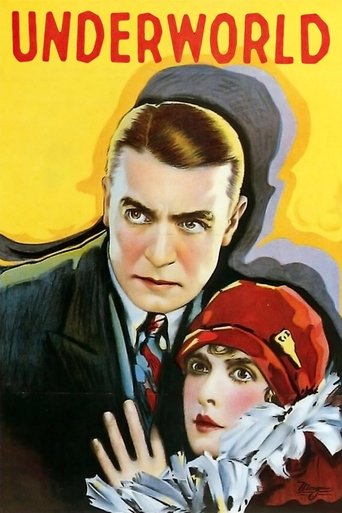
Titles linked here include Woman to Woman (1923), Underworld (1927).
When was Clive Brook born and when did he die?
Born June 1, 1887; died November 17, 1974.
What awards did Clive Brook win?
Clive Brook was appointed Commander of the Order of the British Empire (CBE) in 1948 for his services to drama. He also received a star on the Hollywood Walk of Fame for his contributions to motion pictures. While he didn't receive major film awards, he was widely respected as.
What was Clive Brook's acting style?
Clive Brook was known for his sophisticated and understated acting style that emphasized restraint and elegance over theatrical melodrama. His British stage training provided him with natural dignity and refinement, and he used subtle facial expressions and controlled body language to convey emotion. His clear, cultured voice and precise diction made his transition to sound films seamless.
Did Clive Brook have children who became actors?
Yes, both of Clive Brook's children became actors. His daughter Faith Brook (1922-2004) became a renowned stage and screen actress, while his son Lyndon Brook (1926-2004) established a successful career as a character actor in British film and television. Both children followed in their father's footsteps while carving out their own distinct careers.
How did Clive Brook influence later British actors in Hollywood?
Clive Brook demonstrated that British actors could achieve stardom in Hollywood while maintaining their distinctive cultural identity and mannerisms. His success paved the way for later British stars like Ronald Colman, Leslie Howard, and David Niven. Brook's sophisticated acting style and ability to transition from leading roles to character parts provided a model for career longevity in the film industry.