
Films
1 film
About Myrtle Peter
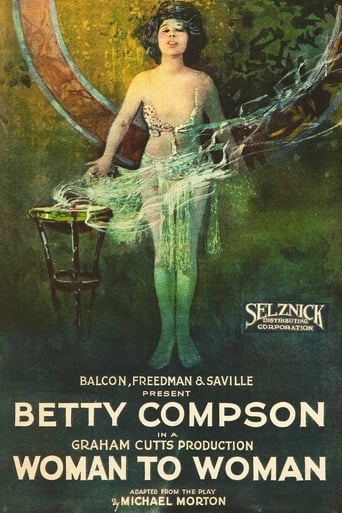
Silent film actress who had a brief but notable appearance in the 1923 British drama 'Woman to Woman.' Her career appears to have been extremely short-lived, with her only confirmed film credit being this early Graham Cutts production. The film itself was significant as it featured early work by Alfred Hitchcock, who contributed to the screenplay. Like many supporting actors of the silent era, Peter's contribution to cinema was minimal in scope but part of the broader tapestry of early filmmaking. Her single film appearance came during the transition period of British cinema as it was establishing itself as a serious artistic medium. Unfortunately, detailed records about her life, career trajectory, or other potential work have been lost to time, which was common for many minor players in early cinema.
The Craft
Milestones
- Appeared in 'Woman to Woman' (1923)
Best Known For
Must-See Films
Why They Matter
Impact on Culture
Myrtle Peter's cultural impact was minimal due to her extremely brief career in cinema. However, her participation in 'Woman to Woman' (1923) places her within the context of early British silent cinema during a period of significant artistic development. The film itself was part of the early career trajectory of Alfred Hitchcock, making Peter a small footnote in the history of one of cinema's greatest directors.
Lasting Legacy
Myrtle Peter's legacy is primarily that of a representative example of the many anonymous actors who populated early films. Her story illustrates how countless performers contributed to the development of cinema without achieving lasting fame or recognition. Like many silent era actors with brief careers, she represents the vast workforce behind the camera that made early film production possible.
Who They Inspired
Due to the brevity of her career and the lack of documented information about her work, Myrtle Peter's influence on other actors or filmmakers cannot be determined. She appears to have been one of the many supporting players who passed through the film industry without leaving a documented mark on subsequent generations of performers.
Off Screen
Very little information is available about Myrtle Peter's personal life, which was common for many supporting actors from the silent era whose careers were brief and whose contributions were not extensively documented.
Did You Know?
- Appeared in the same film as early Alfred Hitchcock involvement
- Her only known film was a British production
- The film she appeared in was remade in 1929 as an early talkie
- Her active years covered only one year according to available records
- Like many silent era actors, her personal details remain undocumented
Frequently Asked Questions
Who was Myrtle Peter?
Screen credits include the 1923 British film 'Woman to Woman.' Her career appears to have been extremely brief, with this being her only documented film credit.
What films is Myrtle Peter best known for?
Titles linked here include Woman to Woman (1923).
When was Myrtle Peter born and when did she die?
Unfortunately, Myrtle Peter's birth and death dates are not documented in available historical records, which was common for many minor actors from the silent era.
What awards did Myrtle Peter win?
There are no records of Myrtle Peter receiving any awards or nominations for her work in film, which was typical for supporting actors with brief careers in the 1920s.
What was Myrtle Peter's acting style?
Due to the lack of surviving footage and documentation of her work, Myrtle Peter's acting style cannot be determined from available historical records.
Why is so little known about Myrtle Peter?
The scarcity of information about Myrtle Peter is typical of many supporting actors from the silent era who had brief careers and whose contributions were not extensively documented in film history.