Graham Cutts
Director
Born: 1885 in Brighton, Sussex, England Died: 1958 Active: 1919-1932
Films
2 films
About Graham Cutts
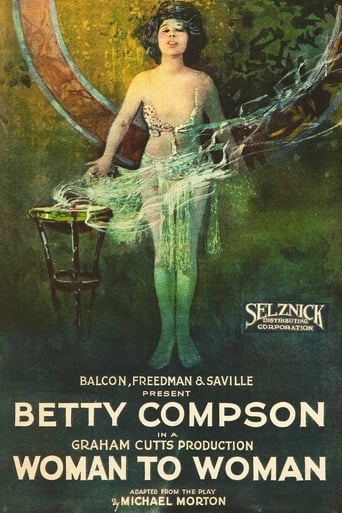
British film director who in the development of British cinema during the silent era. Born in 1885, he began his career in the film industry during the early 1910s and quickly established himself as one of Britain's most prominent directors throughout the 1920s. Cutts was particularly known for his sophisticated melodramas and his collaborations with leading actresses of the day. His 1923 film 'Woman to Woman' was a major commercial success and helped launch the career of Alfred Hitchcock, who worked as Cutts' assistant director and screenwriter on several productions. Despite his early success, Cutts' career declined with the advent of sound films, and he directed his last film in the early 1930s. His contributions to British cinema during its formative years were significant, though he has been somewhat overshadowed by some of his more famous contemporaries. Cutts' work represents an important bridge between the primitive early British films and the more sophisticated productions that would follow.
The Craft
Behind the Camera
Graham Cutts was known for his sophisticated approach to melodrama, employing elegant visual storytelling techniques that were advanced for the British cinema of his time. His directing style emphasized psychological depth in character development and utilized innovative camera movements and lighting techniques to enhance emotional impact. Cutts had a particular talent for working with actresses, drawing nuanced performances that helped establish many of his female leads as major stars. His films often featured complex narratives with themes of romance, betrayal, and moral ambiguity, presented with a visual flair that rivaled contemporary American productions.
Milestones
- Directed 'Woman to Woman' (1923)
- Mentored Alfred Hitchcock early in his career
- Directed 'The Prude's Fall' (1924)
- Made 'The Passionate Adventure' (1924)
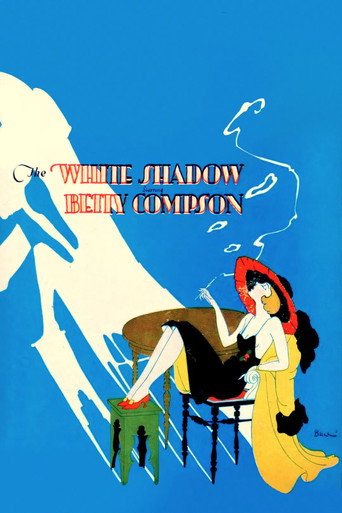
- Collaborated with star actress Betty Compson
- Worked for Gainsborough Pictures during their peak years
Best Known For
Must-See Films
Working Relationships
Worked Often With
Studios
Why They Matter
Impact on Culture
Graham Cutts played a crucial role in elevating the artistic standards of British cinema during the silent era, helping to establish a more sophisticated approach to filmmaking that could compete with American productions. His work demonstrated that British films could achieve both critical acclaim and commercial success through quality storytelling and technical excellence. The success of films like 'Woman to Woman' helped prove the viability of the British film industry during a period when American dominance was overwhelming. Cutts' mentorship of Alfred Hitchcock represents perhaps his most significant contribution to cinema history, as he helped shape the early development of one of cinema's greatest directors.
Lasting Legacy
While Graham Cutts' name may not be as widely recognized today as some of his contemporaries, his legacy lives on through his influence on Alfred Hitchcock and his contribution to establishing British cinema as a serious artistic medium. His films from the 1920s represent some of the most sophisticated British productions of their era, featuring advanced technical techniques and mature storytelling. Cutts' career trajectory also serves as a reminder of the challenges many silent film directors faced with the transition to sound, as his style did not translate as effectively to the new medium. Film historians continue to study his work as an important example of British cinema's development during its formative years.
Who They Inspired
Graham Cutts' most significant influence was undoubtedly on Alfred Hitchcock, who worked under him as an assistant director and writer. Hitchcock learned valuable lessons about visual storytelling and film technique during his time with Cutts, lessons that would inform his entire career. Cutts' sophisticated approach to melodrama and his emphasis on psychological depth in storytelling can be seen as precursors to Hitchcock's own thematic concerns. His work also influenced other British directors of the silent era who sought to elevate the artistic quality of their productions beyond the limitations of early British cinema.
Off Screen
Graham Cutts was married to the actress Marie Ault, who appeared in several of his films including 'The Prude's Fall' and 'The Passionate Adventure.' Their professional collaboration extended beyond marriage, with Ault becoming one of his most reliable character actresses. Details about his family life and children remain relatively scarce in historical records, as was common for many figures of early British cinema. Cutts' personal life was generally private, and he did not court the kind of celebrity attention that some of his contemporaries sought.
Education
Limited information is available about Cutts' formal education, which was typical for many early film directors who learned their craft through practical experience rather than academic training.
Family
- Marie Ault (1920s-1930s)
Did You Know?
- Graham Cutts' 1923 film 'Woman to Woman' was so successful that it was remade twice, once in 1929 as a sound film and again in 1937
- Alfred Hitchcock wrote the screenplay for 'Woman to Woman' while working as Cutts' assistant
- Cutts was one of the first British directors to achieve international recognition for his work
- His films were known for their relatively large budgets by British standards of the time
- Cutts often collaborated with American star Betty Compson, helping to bridge British and American cinema markets
- The decline of his career with the advent of sound films was partly due to his resistance to new filming techniques
- Many of Cutts' films are now lost, a common fate for silent era productions
- His directing style was heavily influenced by German expressionist cinema
- Cutts was known for his meticulous attention to set design and visual composition
- He was one of the founding members of the Association of British Film Directors
In Their Own Words
On directing: 'The camera is not merely a recording instrument; it is the very soul of cinematic expression'
On his collaboration with Hitchcock: 'The young man has an eye for the unusual, a quality that will serve him well in this business'
Frequently Asked Questions
Who was Graham Cutts?
Prominent British on YTB.my. He played a significant role in elevating British cinema's artistic standards and mentored Alfred Hitchcock early in his career.
What films is Graham Cutts best known for?
Titles linked here include Woman to Woman (1923), The Prude's Fall (1924).
When was Graham Cutts born and when did he die?
Born 1885; died 1958.
What was Graham Cutts' relationship with Alfred Hitchcock?
Cutts hired Alfred Hitchcock as his assistant director and writer, playing a crucial role in Hitchcock's early development. Hitchcock wrote the screenplay for 'Woman to Woman' and learned valuable filmmaking techniques while working under Cutts.
What was Graham Cutts' directing style?
Cutts was known for sophisticated melodramas with elegant visual storytelling, psychological depth, and advanced camera techniques for the time. He emphasized nuanced performances, particularly from his actresses, and complex narratives dealing with romance and moral themes.
Why did Graham Cutts' career decline?
Cutts' career declined with the advent of sound films in the late 1920s and early 1930s. His directing style, which was highly effective for silent cinema, did not translate as well to the new requirements of sound production, and he struggled to adapt to the changing industry.
What was Graham Cutts' impact on British cinema?
Cutts significantly elevated British cinema's artistic standards during the silent era, proving that British films could achieve both critical acclaim and commercial success. His work helped establish a more sophisticated approach to filmmaking that could compete with American productions.