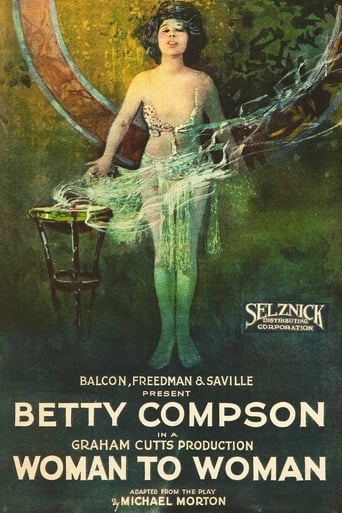
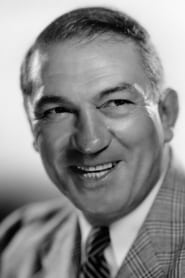
Victor McLaglen
Actor
Born: December 10, 1886 in Tunbridge Wells, Kent, England Died: November 7, 1959 Active: 1920-1959 Birth Name: Victor Andrew de Bier Everleigh McLaglen
Films
6 films
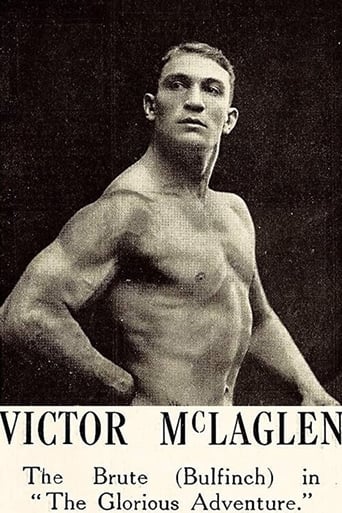

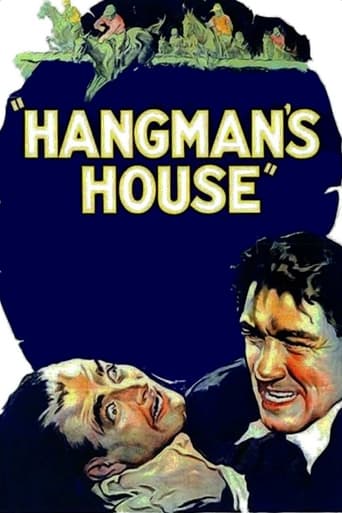
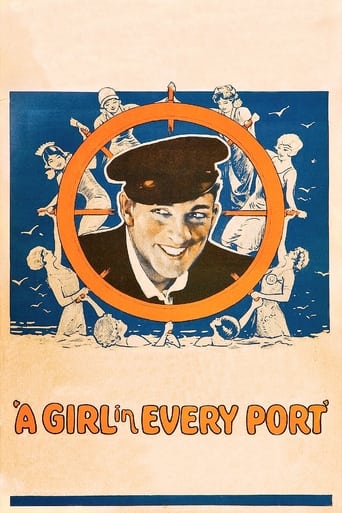
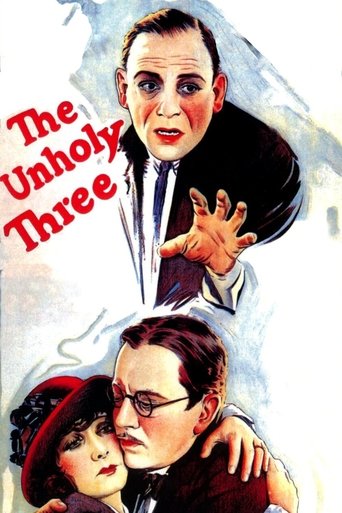
About Victor McLaglen
towering presence in Hollywood's Golden Age — known for his rugged physique and commanding screen presence that made him a natural for tough-guy roles. Born in England to a bishop father, McLaglen led a varied early life that included service in the British Army during the Boer War and a career as a professional boxer before discovering acting. He began his film career in silent pictures in the early 1920s, quickly establishing himself as a reliable character actor in adventure films and dramas. His breakthrough came with his role in 'What Price Glory' (1926), which showcased his ability to blend toughness with unexpected humor. McLaglen successfully transitioned to sound films, delivering his most acclaimed performance in John Ford's 'The Informer' (1935), which earned him an Academy Award for Best Actor. Throughout the 1930s and 1940s, he became a regular member of Ford's stock company, appearing in classics like 'The Quiet Man' (1952) and 'Fort Apache' (1948). His over three decades, during which he appeared in more than 100 films, cementing his legacy as one of Hollywood's most dependable and beloved character actors.
The Craft
On Screen
McLaglen was known for his naturalistic yet powerful acting style that combined physical presence with emotional depth. His background as a boxer and soldier gave him an authentic toughness that translated well to screen, allowing him to portray soldiers, sailors, and other rugged characters with genuine credibility. Despite his imposing stature, McLaglen possessed a remarkable ability to convey vulnerability and humor, often playing blustering characters who revealed softer sides. His voice, a deep baritone with a distinctive British accent, became an asset in sound films, adding to his commanding presence. McLaglen excelled at both dramatic and comedic roles, often finding the humanity in seemingly brutish characters.
Milestones
- Academy Award win for Best Actor in 'The Informer' (1935)
- Breakthrough role in 'What Price Glory' (1926)
- Long collaboration with director John Ford
- Successful transition from silent films to talkies
- Starred in over 100 films throughout his career
- Became a member of Ford's informal stock company of actors
Best Known For
Iconic Roles
Must-See Films
Accolades
Won
- Academy Award for Best Actor for 'The Informer' (1935)
- National Board of Review Award for Best Actor for 'The Informer' (1935)
- Venice Film Festival Volpi Cup for Best Actor for 'The Informer' (1935)
Nominated
- Academy Award nomination for Best Supporting Actor for 'The Quiet Man' (1952)
Special Recognition
- Hollywood Walk of Fame star at 1725 Vine Street
- Inducted into the Western Performers Hall of Fame at the National Cowboy & Western Heritage Museum
Working Relationships
Worked Often With
Studios
Why They Matter
Impact on Culture
Victor McLaglen significantly influenced Hollywood's portrayal of masculine strength and complexity, helping establish the archetype of the tough but emotionally vulnerable character. His Oscar-winning performance in 'The Informer' demonstrated that character actors could carry prestige pictures and win major awards, paving the way for future supporting players to receive recognition. McLaglen's work with John Ford helped define the visual and emotional language of the American Western, contributing to the genre's golden age. His successful transition from silent films to talkies provided a template for other foreign-born actors adapting to sound cinema. McLaglen's ability to blend physical prowess with emotional depth expanded the possibilities for masculine performance in Hollywood, influencing generations of actors who followed.
Lasting Legacy
Victor McLaglen's legacy endures through his memorable performances that continue to be studied and admired by film enthusiasts and scholars. His body of work, particularly his collaborations with John Ford, represents some of the finest examples of American cinema's golden age. McLaglen's Oscar win for 'The Informer' remains. His son Andrew McLaglen became a respected director, continuing the family's contribution to cinema. The characters McLaglen created have become archetypes in Western and adventure films, referenced and homaged in countless later works. His star on the Hollywood Walk of Fame and induction into the Western Performers Hall of Fame cement his status as a cinema legend whose work continues to entertain and inspire audiences.
Who They Inspired
McLaglen influenced numerous actors who followed in his footsteps, particularly in the realm of character acting and tough-guy roles. His naturalistic approach to physical performance inspired actors like Lee Marvin, Charles Bronson, and later, Tommy Lee Jones, who all brought similar depth to rugged characters. The emotional complexity he brought to seemingly simple roles influenced the evolution of character acting in Hollywood, demonstrating that supporting players could be as compelling as leads. His work with John Ford helped establish a template for ensemble acting that influenced directors and actors for decades. McLaglen's ability to balance comedy with drama in his performances became a model for versatile character actors who could excel in multiple genres.
Off Screen
McLaglen's personal life was as colorful as his screen persona. He married three times and had numerous children, including several who followed him into acting. His first marriage to Enid Lamont ended in divorce, and he later married Suzanne M. Brueggemeier, with whom he had several children. Despite his tough-guy image, McLaglen was known as a gentle giant off-screen, beloved by co-stars and crew members for his kindness and humor. He maintained his British citizenship for many years before becoming a naturalized American citizen. In his later years, he suffered from health problems but continued working almost until his death from a heart attack at age 72.
Education
Limited formal education; educated at home and through military service and life experience
Family
- Enid Lamont (1919-1942, her death)
- Suzanne M. Brueggemeier (1943-1959, his death)
Did You Know?
- Was a professional boxer who fought in over 100 bouts, including one against future heavyweight champion Jack Johnson
- Served in the Royal Irish Fusiliers and fought in the Second Boer War
- Was 6'2" tall and weighed over 200 pounds during his prime
- His brother Cyril McLaglen was also an actor
- Was discovered by director Raoul Walsh while working as a professional wrestler
- Spoke five languages fluently: English, French, German, Italian, and Spanish
- Once ran away to join the circus at age 14
- His son Andrew McLaglen became a successful film director, directing many Westerns
- Was nominated for Best Supporting Actor for 'The Quiet Man' 17 years after winning Best Actor
- John Ford considered him one of his favorite actors and cast him in 8 films
- Was originally offered the role of Quasimodo in 'The Hunchback of Notre Dame' (1939) but turned it down
- Maintained his boxing physique throughout his life through daily workouts
In Their Own Words
I'm not an actor, I'm a reactor. I just react to what's happening around me.
John Ford gave me my best parts, but Raoul Walsh gave me my first chance.
In pictures, you can be anything you want to be. In life, you're stuck with yourself.
Boxing taught me timing and how to take a punch. Both came in handy in the movies.
I never planned to be an actor. I just fell into it and stayed because I was good at it.
Frequently Asked Questions
Who was Victor McLaglen?
British-American with credits in this catalog. Known for his rugged physique and commanding presence, he won an Academy Award for Best Actor and appeared in over 100 films, particularly in Westerns and adventure movies.
What films is Victor McLaglen best known for?
Titles linked here include The Informer (1935), What Price Glory (1926).
When was Victor McLaglen born and when did he die?
Born December 10, 1886; died November 7, 1959.
What awards did Victor McLaglen win?
McLaglen won the Academy Award for Best Actor for 'The Informer' (1935), along with the National Board of Review Award and Venice Film Festival's Volpi Cup for the same performance. He also received an Academy Award nomination for Best Supporting Actor for 'The Quiet Man' (1952).
What was Victor McLaglen's acting style?
McLaglen's acting style combined naturalistic physical presence with emotional depth, drawing from his background as a boxer and soldier. He excelled at portraying tough characters with vulnerable interiors, using his deep voice and imposing stature to create memorable, multi-dimensional performances.
Did Victor McLaglen work with any famous directors?
McLaglen had a legendary collaboration with director John Ford, appearing in eight of his films. He also worked frequently with Raoul Walsh, who discovered him, and other prominent directors of the era including John Ford and Howard Hawks.
What was Victor McLaglen's life before acting?
Before acting, McLaglen led an adventurous life that included serving in the British Army during the Boer War, working as a professional boxer with over 100 fights, and even trying his hand at professional wrestling. He also ran away to join the circus as a teenager.
Did Victor McLaglen have any family in the film industry?
Yes, his son Andrew McLaglen became a successful film director, specializing in Westerns and television shows like 'Gunsmoke' and 'Rawhide'. His brother Cyril McLaglen was also an actor, and several of his children worked in the entertainment industry.