The Glorious Adventure
"An Earl's cousin survives drowning and saves a lady from the Great"
Keys: Space play/pause · ←/→ 10s · F fullscreen · M mute · </> speed
About this film
An Earl's cousin survives drowning and saves a lady from the Great Fire of London.
Cast & crew
More films like this
More Adventure films
View all →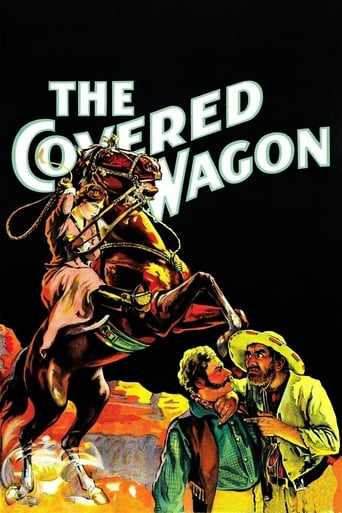

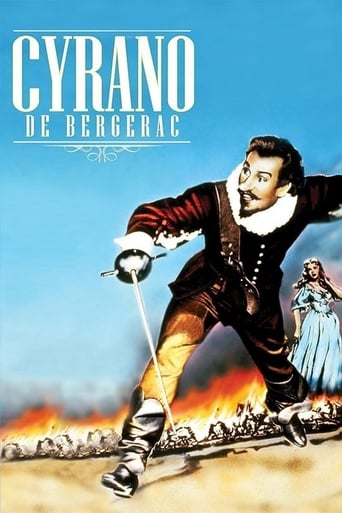
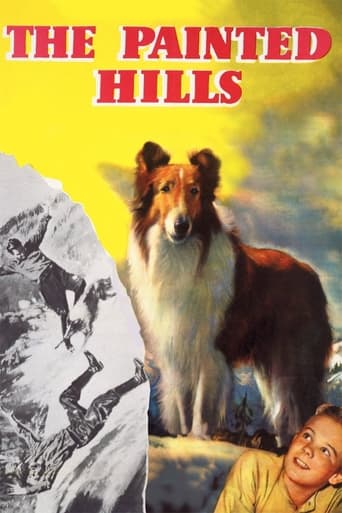
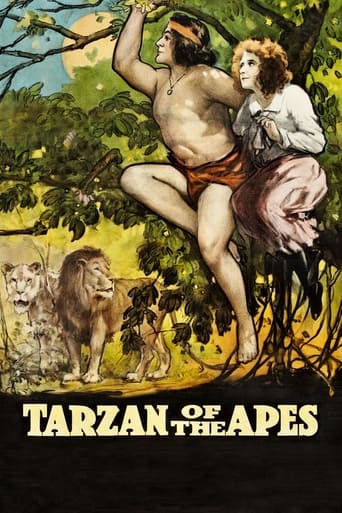
More from J. Stuart Blackton
View all →
More about this film
About the production
Release dateSeptember 1922
Box officeBox office figures not documented for this period
ProductionStoll Pictures, Ideal Film Company
Filmed inLondon, England, Studios at Cricklewood
The film featured elaborate sets recreating 17th-century London and utilized pioneering special effects for the fire sequences. The Great Fire scenes were particularly ambitious for their time, requiring extensive miniature work and matte paintings. Director J. Stuart Blackton, known for his technical innovations, employed multiple camera techniques to create the illusion of the massive fire. The production faced significant challenges in safely simulating the historic fire while maintaining authenticity.
Themes
Heroism in crisisHistorical disasterRomance against adversityClass distinctionsUrban destruction and rebirth
Themes & topics
Historical background
Silent-era production in 1922 relied on intertitles, live accompaniment, and studio systems that were rapidly consolidating into national industries.
Why this film matters
The Glorious Adventure remains part of the screen heritage of its era, offering evidence of prevailing genres, production methods, and audience tastes. Later revivals, archive screenings, and digitization have kept such titles accessible to researchers and dedicated viewers long after their first commercial runs.
Making of
The production of The Glorious Adventure was a significant undertaking for British cinema in 1922. Director J. Stuart Blackton brought his extensive American film experience to this British production, implementing advanced techniques he had developed during his pioneering career. The fire sequences required innovative approaches, including the use of painted glass, double exposures, and carefully controlled studio fires. The cast underwent extensive period costume fittings, with authentic 17th-century clothing recreated by prominent theatrical costumers of the day. Diana Manners, despite her aristocratic background, proved to be a capable actress, though her fame as a socialite often overshadowed her performance reviews. The film's production schedule was extended due to the complexity of the fire effects, with the studio investing heavily in safety measures for the cast and crew during the burning sequences.
What critics said
Trade and newspaper reviews from the silent period for The Glorious Adventure survive only in fragments, making precise reception history difficult to reconstruct. Modern assessment tends to emphasize historical value, craft, and cultural context rather than box-office performance.
Did you know?
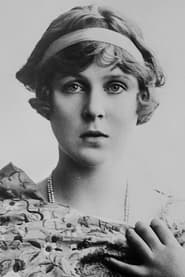
- Diana Manners, who starred in the film, was actually Lady Diana Cooper, a famous British socialite and beauty who later became an actress and author
- Director J. Stuart Blackton was one of the pioneers of American cinema and co-founder of Vitagraph Studios before moving to England
- The film's recreation of the Great Fire of London was considered especially ambitious special effects sequences in British cinema up to that point
- The production used over 500 extras for the crowd scenes depicting panicked Londoners fleeing the fire
- Gerald Lawrence was a prominent stage actor who made relatively few film appearances, making this role particularly notable
- The film was one of the first British productions to attempt such a large-scale historical disaster recreation
- J. Stuart Blackton was known as 'The Father of American Animation' before focusing on live-action features
- The original negative was believed lost for decades before a partial print was discovered in the 1970s
- The film's title was changed in some markets to 'The Great Fire of London' to emphasize the historical spectacle
- Contemporary newspapers praised the film's 'thrilling realism' in depicting the 1666 disaster
Awards & recognition
- No major awards documented for this film
Visual style
The cinematography of The Glorious Adventure was handled by leading British cameramen of the period, utilizing the latest techniques available in 1922. The film employed multiple camera setups for the fire sequences, creating dynamic angles that enhanced the sense of chaos and danger. The use of tinting and toning was particularly effective in the fire scenes, with amber and red tones creating a realistic sense of heat and destruction. The cinematography contrasted the intimate romantic scenes with the epic scale of the disaster, using different lighting techniques to establish mood. The recreation of 17th-century London required careful attention to period detail in lighting and composition, with the cinematographers studying historical paintings of the era for reference. The film also made early use of miniature photography combined with live action, a technique that was still in its developmental stages.
Innovations
The Glorious Adventure featured several technical innovations for its time, most notably in its recreation of the Great Fire of London. The production utilized a combination of techniques including forced perspective miniatures, matte paintings, and carefully controlled studio fires to create the illusion of a city burning. The film employed multiple exposure techniques to layer different elements of the fire sequences, creating a more complex and realistic effect than single shots could achieve. The special effects team developed new methods for safely simulating burning buildings, using a combination of real flames controlled by safety crews and optical effects. The film also featured early examples of continuity editing in action sequences, maintaining spatial coherence during the chaotic fire scenes. These technical achievements represented significant advances in British cinema's capability to produce large-scale spectacle films.
Music
As a silent film, The Glorious Adventure would have been accompanied by live musical performances during its original theatrical run. The score was likely compiled from classical pieces and popular melodies of the era, adapted to suit the dramatic and romantic elements of the story. For the fire sequences, dramatic and tension-building music would have been employed, possibly including works by composers like Wagner or Tchaikovsky known for their powerful orchestral writing. The romantic scenes would have featured lighter, more melodic accompaniment. Large urban theaters might have employed small orchestras, while smaller venues would have used piano or organ accompaniment. No original composed score for the film survives, though contemporary accounts suggest the musical accompaniment significantly enhanced the viewing experience, particularly during the spectacular fire sequences.
Famous quotes
When flames consume all that we know, only courage remains to light our way forward
In the face of destruction, love becomes the only foundation worth rebuilding upon
History may burn our cities, but it cannot destroy the human spirit
Memorable scenes
- The spectacular recreation of the Great Fire of London, with burning buildings, panicked crowds, and heroic rescues amidst the flames; The dramatic drowning sequence where the protagonist survives against all odds; The romantic moments between the leads set against the backdrop of the burning city; The final scenes showing the rebirth of London from the ashes
What audiences thought
The Glorious Adventure was moderately successful with British audiences upon its release in 1922, particularly drawing viewers interested in historical subjects and spectacular effects. Contemporary audience reports indicate that the fire sequences generated considerable excitement and discussion among moviegoers, with many newspapers reporting on the 'thrilling' nature of these scenes. The presence of the famous Lady Diana Cooper in the cast also attracted curiosity from the public, though some traditionalists questioned the appropriateness of aristocracy appearing in motion pictures. The film performed well in London and major provincial cities, though its appeal was more limited in rural areas where historical epics were less popular. Audience letters published in film magazines of the period generally praised the film's spectacle while some found the romantic subplot somewhat conventional.
Film connections
Influenced by
- D.W. Griffith's historical epics
- Italian historical spectacles
- Contemporary disaster literature
- Paintings of the Great Fire of London
- Stage melodramas of the period
This film influenced
- London Symphony
- The Great Game
- Fire Over England
- London Belongs to Me
- The Great Fire of London
- TV series, 1979)
Film restoration
The Glorious Adventure is considered a partially lost film. While some sequences and fragments survive in various film archives, including the British Film Institute, no complete copy of the original 1922 version is known to exist. The surviving footage includes portions of the fire sequences and some dramatic scenes, but the complete narrative structure cannot be fully reconstructed. Some still photographs and promotional materials also survive, providing additional documentation of the film's content. The incomplete status makes it a significant example of the many silent films that have been partially or completely lost due to the decomposition of nitrate film stock and inadequate preservation efforts in the early decades of cinema.
Where to watch
- The film is not commercially available due to its incomplete preservation status. Surviving fragments can sometimes be viewed at specialized film archives and museums, particularly the British Film Institute in London. Occasionally, film societies or silent film festivals may screen the existing footage as part of programs about lost or partially preserved films. Some fragments may be accessible through academic film study programs or specialized cinema history collections.