Gerald Lawrence
Actor
Born: March 23, 1873 in London, England Died: May 19, 1957 Active: 1899-1922
Films
2 films
About Gerald Lawrence
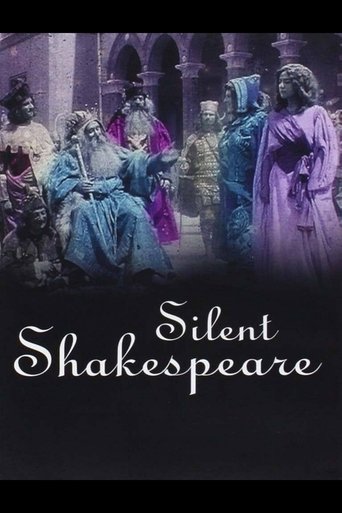
British stage and film actor: the transition from Victorian theater to the dawn of cinema. Born into a theatrical family, he began his stage career in the 1890s and quickly established himself as a prominent Shakespearean actor. His most significant contribution to early cinema was his appearance in the 1899 British film 'King John,' one of the very earliest surviving British films and a landmark in cinematic history. Throughout the early 20th century, Lawrence continued to balance his successful stage career with occasional film appearances, including 'The Glorious Adventure' in 1922. He was particularly known for his commanding presence and classical training, which made him a natural fit for historical and dramatic roles. Lawrence's career bridged two distinct eras of performance art, making him a fascinating figure in the history of British entertainment. His final years were spent primarily in theater, though he remained connected to the film industry until his retirement.
The Craft
On Screen
Classical and theatrical with strong Shakespearean influences, characterized by commanding stage presence and dramatic delivery typical of Victorian-era training
Milestones
- Appeared in 'King John' (1899), one of the earliest surviving British films
- Established stage career in Victorian London theater
- Transitioned successfully from stage to early cinema
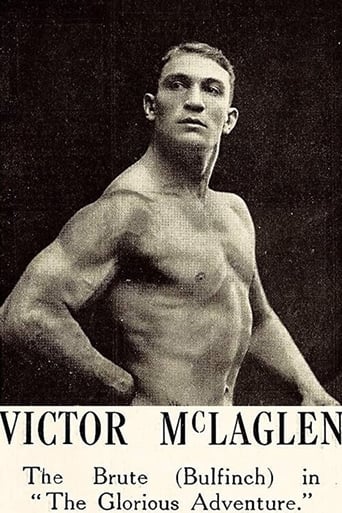
- Starred in 'The Glorious Adventure' (1922)
- Known for Shakespearean roles and classical theater performances
Best Known For
Iconic Roles
Must-See Films
Accolades
Special Recognition
- Recognized as a pioneer of British cinema for his role in early film history
Working Relationships
Worked Often With
Studios
Why They Matter
Impact on Culture
Gerald Lawrence's appearance in 'King John' (1899) places him among the very first actors to be captured on British film, making him a significant figure in the transition from stage to screen. His participation in this film helped establish the connection between legitimate theater and the emerging medium of cinema. As a classically trained actor who embraced film, Lawrence represented the bridge between Victorian theatrical traditions and modern cinematic performance. His work demonstrated that serious dramatic actors could find success in the new medium, helping to legitimize film as an art form worthy of trained performers.
Lasting Legacy
Gerald Lawrence's legacy is primarily tied to his role in early British cinema history, particularly through his participation in 'King John' (1899), which stands as one of the earliest surviving examples of British narrative film. His career exemplifies the transition from Victorian stage performance to early cinema, and his theatrical family dynasty continued to influence British entertainment for generations. Through his children Fay Compton and Lawrence Grossmith, his theatrical legacy extended well into the 20th century. Lawrence represents an important link in the chain of British performing arts history, connecting the golden age of Victorian theater with the dawn of the film industry.
Who They Inspired
Lawrence influenced the next generation of British actors by demonstrating that classical training could be successfully applied to the new medium of film. His family, particularly his daughter Fay Compton, became prominent figures in British theater and film, carrying forward his theatrical traditions. His work in early cinema helped establish the credibility of film as a medium for serious dramatic performance, encouraging other classically trained actors to consider film work.
Off Screen
Gerald Lawrence came from a family deeply rooted in the theatrical tradition. He married actress Marie Kendall,. The couple had two children who also entered the entertainment industry. Lawrence maintained a relatively private personal life despite his public career, focusing primarily on his craft and family. His marriage to Kendall was considered.
Education
Trained in classical theater and drama during the Victorian era, likely through apprenticeship and practical experience rather than formal education
Family
- Marie Kendall (1898-1914)
Did You Know?
- King John (1899) is considered the oldest surviving British dramatic film
- Lawrence came from a theatrical family that spanned multiple generations
- His wife Marie Kendall was one of the highest-paid music hall stars of her time
- The film 'King John' was only four scenes long and was created to promote a stage production
- Lawrence's daughter Fay Compton became a Dame Commander of the British Empire for her services to drama
- His son Lawrence Grossmith appeared in numerous films and stage productions
- The 1899 'King John' film was discovered in the 1990s and restored by the British Film Institute
- Lawrence was part of the generation of actors who literally lived through the birth of cinema
- He maintained his stage career throughout his film appearances, never abandoning theater completely
In Their Own Words
The stage is our temple, but the camera is our new prophet - we must learn to serve both masters
In theater we reach the back row; in film, we must reach the soul of every viewer in their private chamber
Frequently Asked Questions
Who was Gerald Lawrence?
British stage and film with credits in this catalog. He came from a prominent theatrical family and was particularly noted for his Shakespearean roles and classical training.
What films is Gerald Lawrence best known for?
Titles linked here include King John (1899), The Glorious Adventure (1922).
When was Gerald Lawrence born and when did he die?
Born March 23, 1873; died May 19, 1957.
What awards did Gerald Lawrence win?
While Gerald Lawrence did not receive formal awards during his era when such honors were less common for actors, he is recognized historically as a pioneer of British cinema for his role in early film history. His legacy is honored through the preservation of his work in film archives.
What was Gerald Lawrence's acting style?
Lawrence's acting style was classical and theatrical, rooted in Victorian-era training with strong Shakespearean influences. He was known for his commanding stage presence and dramatic delivery, which he successfully adapted for the new medium of film.
Did Gerald Lawrence have any famous family members?
Yes, Gerald Lawrence married actress Marie Kendall, a famous music hall star, and their children Fay Compton and Lawrence Grossmith both became successful actors. Fay Compton was particularly and was later made a Dame for her services to drama.
Why is King John (1899) historically significant?
King John (1899) is historically significant as it represents one of the earliest surviving examples of British narrative cinema. It was created using the new Mutoscope technology and was designed to promote a stage production, making it an important artifact showing the early relationship between theater and film.