Diana Manners
Actor
Born: August 29, 1892 in London, England Died: June 16, 1986 Active: 1922-1922 (film career) Birth Name: Diana Olivia Winifred Maud Manners
Films
1 film
About Diana Manners
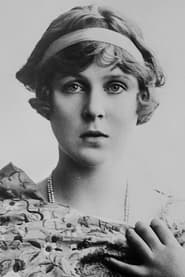
Lady Diana Manners, later known as Diana Cooper, was beauties and socialites of the early 20th century, whose brief but notable film career included starring in 'The Glorious Adventure' (1922). Born into British aristocracy, she was a prominent member of 'The Coterie,' an influential group of intellectuals and socialites that included Raymond Asquith and Patrick Shaw-Stewart. Her striking beauty and charismatic presence made her a natural for the burgeoning film industry, though her cinematic endeavors were overshadowed by her tremendous social and cultural influence. Beyond her single major film role, she became renowned for her work as a nurse during World War I, her marriage to politician Duff Cooper, and her later career as an author and columnist. Her life spanned from the Victorian era through the modern age, making her a living link between different periods of British cultural history. Despite her limited filmography, her impact on British society and culture was profound and lasting.
The Craft
On Screen
Natural and charismatic screen presence typical of aristocratic actors of the silent era, bringing genuine refinement and elegance to her performances
Milestones
- Starred in 'The Glorious Adventure' (1922)
- Prominent member of 'The Coterie' social group
- Served as a nurse during World War I
- Married politician and diplomat Duff Cooper
- Became Viscountess Norwich in 1952
- Published several autobiographical works
- Worked as a columnist and journalist
Best Known For
Iconic Roles
Must-See Films
Accolades
Special Recognition
- Dame Commander of the Order of the British Empire (DBE) in 1967
- Viscountess Norwich by marriage
Working Relationships
Studios
Why They Matter
Impact on Culture
Diana Manners' cultural impact extended far beyond her brief film career, as she was one of the defining figures of British high society in the early-to-mid 20th century. As a member of 'The Coterie,' she influenced literary and political circles, and her beauty and style made her an icon of her generation. Her transition from aristocratic socialite to wartime nurse demonstrated her depth of character and helped bridge the gap between the old aristocracy and modern society. Her writings and later media appearances helped preserve and document the social history of Britain's upper classes during a period of tremendous change. She represented the last generation of British aristocrats who maintained traditional values while adapting to the modern world.
Lasting Legacy
Lady Diana Cooper's legacy is that of a bridge between the Victorian era and modern Britain, embodying the transition from aristocratic privilege to contemporary relevance. Her autobiographical works, particularly 'The Rainbow Comes and Goes' and 'The Light of Common Day,' provide invaluable insights into British social history. She is remembered as one of the great beauties of her time, a woman who used her position and influence to support charitable causes and document her era. Her son, John Julius Norwich, continued her literary legacy as a prominent historian. She remains a subject of fascination for historians of British society and represents an era when aristocratic women could wield significant cultural influence.
Who They Inspired
Diana Manners influenced subsequent generations of socialites and public figures by demonstrating how traditional aristocratic values could coexist with modern engagement in public life. Her wartime service as a nurse helped pave the way for other aristocratic women to take on meaningful roles outside traditional social functions. Her writings influenced how the British upper class was perceived and documented their own history during a period of decline and transformation. She showed that beauty and social position could be combined with intellectual pursuits and meaningful public service, influencing how society women approached their roles in the 20th century.
Off Screen
Diana Manners led an extraordinary life that transcended her brief film career. She was the daughter of Henry Manners, the 8th Duke of Rutland, and was raised in the highest circles of British aristocracy. During World War I, she defied her aristocratic background to work as a VAD nurse, caring for wounded soldiers. Her social circle included some of the most influential figures of her time, and she was known for her wit, beauty, and intellectual pursuits. After her film career, she focused on her family, writing, and supporting her husband's political career. She lived through two world wars and witnessed tremendous changes in British society, maintaining her relevance and influence throughout her long life.
Education
Educated at home by governesses, typical for aristocratic girls of her era, with additional private tutoring in languages, literature, and arts
Family
- Alfred Duff Cooper (1919-1954, his death)
Did You Know?
- She was
- Her son John Julius Norwich became a famous historian and television personality
- She was a close friend of the poet Rupert Brooke, who died in WWI
- Her husband Duff Cooper was one of the few British ministers to resign over the Munich Agreement in 1938
- She worked as a nurse at Guy's Hospital during WWI despite her aristocratic background
- She was godmother to Princess Margaret
- Her film 'The Glorious Adventure' was directed by Val Paul and produced by Famous Players-Lasky
- She was known for her wit and was a celebrated conversationalist throughout her life
- She lived to be 93, outliving most of her contemporaries from 'The Coterie'
- She was appointed Dame Commander of the Order of the British Empire in the 1967 New Year Honours
In Their Own Words
I never felt the need to be an actress. I was born to be a spectacle.
One must have a heart of stone to read the death of Little Nell without laughing.
The great thing about getting older is that you don't lose all the other ages you've been.
I have always believed that life is too short to be taken seriously.
Frequently Asked Questions
Who was Diana Manners?
Diana Manners, later Lady Diana Cooper, was a celebrated British socialite, aristocrat, and brief film actress best known for starring in 'The Glorious Adventure' (1922). She was a prominent member of high society, a wartime nurse, and later became an author and columnist, maintaining cultural influence throughout much of the 20th century.
What films is Diana Manners best known for?
Titles linked here include The Glorious Adventure (1922).
When was Diana Manners born and when did she die?
Born August 29, 1892; died June 16, 1986.
What awards did Diana Manners win?
Diana Manners was appointed Dame Commander of the Order of the British Empire (DBE) in the 1967 New Year Honours for her services to the arts and public life. She also became Viscountess Norwich when her husband was elevated to the peerage in 1952.
What was Diana Manners' acting style?
While her film career was limited to 'The Glorious Adventure' (1922), Diana Manners brought natural aristocratic elegance and refinement to her screen performances, typical of well-bred actors of the silent era who relied on their innate poise and presence rather than technical training.
How was Diana Manners related to British royalty?
Diana Manners was the daughter of the 8th Duke of Rutland, making her British nobility by birth. She was also godmother to Princess Margaret and maintained connections with the royal family throughout her life as part of Britain's high society.
What was 'The Coterie' that Diana Manners belonged to?
'The Coterie' was an influential group of young British aristocrats and intellectuals in the early 20th century, known for their wit, beauty, and cultural influence. The group included many prominent figures who would shape British society and culture in the interwar years.