Josephine Earle
Actor
Born: January 23, 1892 in New York City, New York, USA Died: January 26, 1966 Active: 1921-1923 Birth Name: Josephine Early
Films
1 film
About Josephine Earle
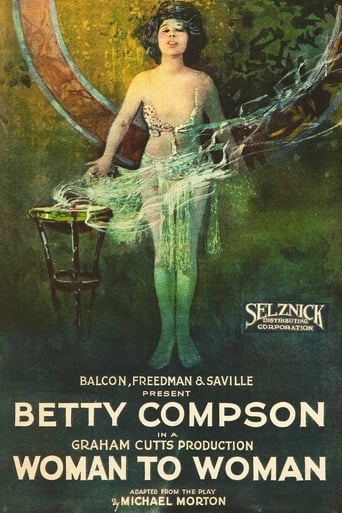
American actress who found brief but notable success in British silent cinema during the early 1920s. Born in New York City in 1892, she crossed the Atlantic to pursue acting opportunities in the burgeoning British film industry. Her most significant role came in 1923 when she appeared in 'Woman to Woman,' a film that marked Alfred Hitchcock's first screenplay credit and was directed by Graham Cutts. Earle's career, while relatively short, placed her among the American performers who helped bridge the gap between Hollywood and British cinema during the silent era. She also appeared in other notable British productions such as 'The Great Day' (1921) and 'The Princess of New York' (1921), working alongside prominent actors of the period. Her filmography, though limited, represents the transatlantic nature of early cinema and the movement of talent between American and European film industries. After her brief acting career in the early 1920s, Earle largely disappeared from public view, returning to the United States where she lived until her death in 1966.
The Craft
On Screen
As a silent film actress, Josephine Earle likely employed the exaggerated gestures and facial expressions typical of the era, using pantomime and body language to convey emotion to audiences without spoken dialogue. Her style would have been influenced by both American and British acting traditions of the early 1920s.
Milestones
- Appeared in 'Woman to Woman' (1923), Alfred Hitchcock's first screenplay credit
- Worked in British silent cinema during the early 1920s
- Part of the wave of American actors working in British films
- Appeared in multiple films in 1921 including 'The Great Day' and 'The Princess of New York'
Best Known For
Iconic Roles
Must-See Films
Working Relationships
Worked Often With
Studios
Why They Matter
Impact on Culture
Josephine Earle represents the transatlantic nature of early silent cinema, when American actors frequently worked in European film industries and vice versa. Her participation in 'Woman to Woman' (1923) connects her to an important milestone in film history - Alfred Hitchcock's first screenplay credit. While not a major star, her career exemplifies the mobility of performers during the silent era and the international character of early film production. The film industry of the 1920s was still forming its identity, and actors like Earle contributed to the development of cinematic techniques and storytelling methods that would later become standardized.
Lasting Legacy
Josephine Earle's legacy is primarily historical rather than artistic, serving as an example of the many actors who briefly contributed to silent cinema before fading into obscurity. Her connection to early Hitchcock work makes her notable to film historians studying the director's beginnings. The preservation of her films, particularly 'Woman to Woman,' ensures that her performances remain accessible to scholars and classic film enthusiasts interested in the transatlantic film exchanges of the 1920s.
Who They Inspired
While Josephine Earle did not have a significant influence on other performers or the film industry due to her brief career, she represents the type of journeyman actor who formed the backbone of silent cinema productions. Her work in British films helped demonstrate that American performers could successfully adapt to European film styles, potentially encouraging further international collaboration in the industry.
Off Screen
Josephine Earle was born Josephine Early in New York City and spent her early life there before venturing to England to pursue her film career. After her brief stint in British cinema during the early 1920s, she returned to the United States. Details about her personal life, including relationships and family, remain largely undocumented in historical records. She lived the remainder of her life in New York City, where she passed away in 1966 at the age of 74.
Education
Educational background information is not available in historical records.
Did You Know?
- Her birth name was Josephine Early, though she used 'Earle' professionally
- She was one of several American actors who found work in British cinema during the early 1920s
- 'Woman to Woman' (1923) was remade twice - once in 1929 as a talkie and again in 1937
- Her entire known film active years covered only about two years
- She worked on films during the transitional period when British cinema was establishing its identity separate from American influence
- Her films were produced during the peak of silent cinema, just before the transition to sound
- Despite being American, most of her known film work was produced in the United Kingdom
- She appeared in films during the same year that Hollywood studios were beginning to solidify their dominance in the global market
Frequently Asked Questions
Who was Josephine Earle?
American silent film actress who worked primarily in British cinema during the early 1920s. She is best known for appearing in 'Woman to Woman' (1923), which featured Alfred Hitchcock's first screenplay credit.
What films is Josephine Earle best known for?
Titles linked here include Woman to Woman (1923), The Great Day (1921).
When was Josephine Earle born and when did she die?
Born January 23, 1892; died January 26, 1966.
What awards did Josephine Earle win?
There are no records of Josephine Earle receiving any major awards or nominations during her brief acting career in the early 1920s.
What was Josephine Earle's acting style?
As a silent film actress, Josephine Earle likely used the exaggerated gestures and facial expressions typical of the era, relying on pantomime and body language to convey emotions to audiences without spoken dialogue.
How is Josephine Earle connected to Alfred Hitchcock?
Josephine Earle appeared in 'Woman to Woman' (1923), which was significant as it marked Alfred Hitchcock's first screenplay credit in the film industry, though he was not the director of the film.