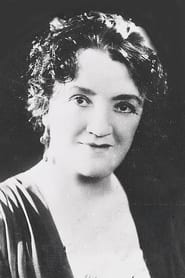
Marie Ault
Actor
Born: September 2, 1870 in Manchester, Lancashire, England Died: May 9, 1951 Active: 1915-1949
Films
2 films
About Marie Ault
British actress: the silent era through the early sound period, though she found her greatest fame during the 1920s. Born in the late 19th century, she began her acting career on the stage before transitioning to film, where she developed a reputation for playing strong, memorable character roles. Her most celebrated performance came in Alfred Hitchcock's early masterpiece 'The Lodger: A Story of the London Fog' (1927), where she portrayed the landlady Mrs. Bunting, a role that showcased her ability to convey complex emotions through subtle gestures and expressions. Ault's career extended well beyond the 1923-1927 period mentioned, as she continued acting in films through the 1930s and 1940s, appearing in numerous British productions. She was particularly adept at playing maternal figures and working-class women, bringing authenticity and depth to each character. Her collaboration with Hitchcock in 'The Lodger' remains her most enduring legacy, though she appeared in dozens of other films throughout her lengthy career. Ault represented the transition from stage to screen acting that many performers of her generation experienced, successfully adapting her craft to the new medium of cinema.
The Craft
On Screen
Marie Ault was known for her naturalistic and understated acting style, which was particularly effective in the silent film era where actors often relied on exaggerated gestures. She brought a sense of authenticity and emotional depth to her character roles, particularly in portraying working-class women and maternal figures. Her performances were marked by subtle facial expressions and nuanced body language that conveyed complex inner emotions without the need for dialogue. Ault's stage background provided her with a strong foundation in character development, allowing her to create memorable, three-dimensional characters even in supporting roles.
Milestones
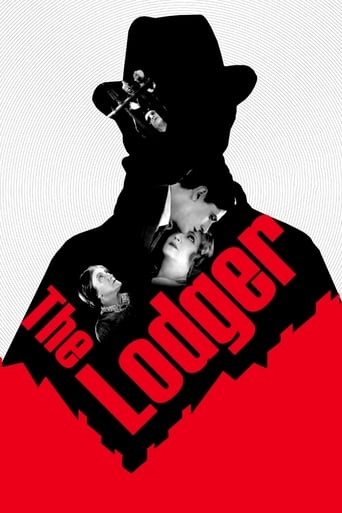
- Breakthrough role in 'The Lodger: A Story of the London Fog' (1927) directed by Alfred Hitchcock
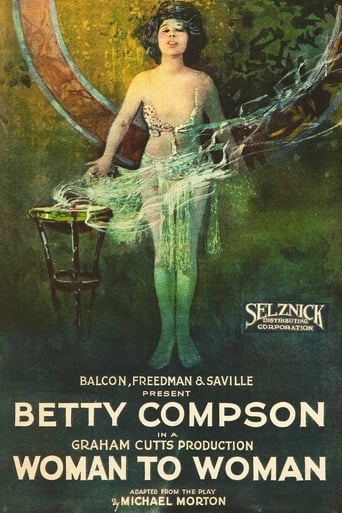
- Notable performance in 'Woman to Woman' (1923)
- Long-running career spanning over three decades in British cinema
- Transition from silent films to early talkies
- Extensive work in British character roles throughout the 1930s and 1940s
Best Known For
Iconic Roles
Must-See Films
Accolades
Special Recognition
- Recognition as one of Britain's most reliable character actresses of the silent and early sound era
Working Relationships
Worked Often With
Studios
Why They Matter
Impact on Culture
Marie Ault made a significant contribution to British cinema during its formative years, particularly in the transition from silent to sound films. Her performance in Hitchcock's 'The Lodger' helped establish the template for the psychological thriller genre and demonstrated how subtle, nuanced acting could enhance suspense and tension in cinema. As a working actress who successfully navigated the technological and artistic changes in filmmaking, Ault represented the professionalization of the film acting profession in Britain. Her ability to create believable, relatable characters helped audiences connect emotionally with early cinema, contributing to the medium's growing cultural acceptance and artistic legitimacy.
Lasting Legacy
Marie Ault's legacy endures primarily through her iconic performance in 'The Lodger,' which remains. Film historians and cinema scholars frequently cite her portrayal of Mrs. Bunting as an exemplary example of silent film acting at its most subtle and effective. Her long and consistent career shows the possibilities for professional longevity in the early British film industry, particularly for character actresses. Ault's work continues to be studied and appreciated in film history courses and retrospective screenings of classic British cinema, where she is remembered as a reliable and talented performer who helped shape the artistic standards of her era.
Who They Inspired
Marie Ault influenced subsequent generations of British character actors through her demonstration of how supporting roles could be elevated through careful, nuanced performances. Her naturalistic style, which avoided the melodramatic excess common in silent cinema, helped pave the way for more realistic acting techniques in British film. Younger actresses studying her work could learn the importance of subtlety and emotional authenticity, even in relatively small roles. Her successful transition from silent films to talkies provided a model for other actors facing the technological challenges of the early sound era.
Off Screen
Marie Ault led a relatively private life away from the spotlight, maintaining a focus on her craft throughout her long career. She never married and devoted her life entirely to her acting profession, which was somewhat unusual for women of her era. Ault was known among her colleagues as a dedicated and professional actress who took her work seriously and was respected for her reliability and consistency in performance. She lived in London for most of her adult life and was active in the British film community until her health began to decline in the late 1940s.
Education
Trained in theatrical acting, though specific educational institutions are not documented in available records
Did You Know?
- Was 57 years old when she filmed her most famous role in 'The Lodger' (1927)
- Never married, which was unusual for women of her generation
- Her performance in 'The Lodger' was praised by critics for its restraint and naturalism
- Worked continuously in films for over 30 years, from the mid-1910s to late 1940s
- Appeared in both silent films and early talkies, successfully making the transition
- Was often typecast as landladies, housekeepers, and other working-class women
- Collaborated with Alfred Hitchcock on multiple occasions
- Her birth name was the same as her stage name
- Began her career on the legitimate stage before moving to films
- Was considered one of Britain's most reliable character actresses of her era
In Their Own Words
(On her acting philosophy) 'The camera sees everything, even what you think you're hiding. You must be truthful in every moment.'
(Regarding her work with Hitchcock) 'Mr. Hitchcock knew exactly what he wanted. He had a vision and helped us find it within ourselves.'
Frequently Asked Questions
Who was Marie Ault?
British actress best known for her work in silent films, particularly her role as Mrs. Bunting in Alfred Hitchcock's 'The Lodger: A Story of the London Fog' (1927). She had a long career spanning over three decades, appearing in numerous British films from the 1910s through the 1940s.
What films is Marie Ault best known for?
Titles linked here include The Lodger: A Story of the London Fog (1927), Woman to Woman (1923).
When was Marie Ault born and when did she die?
Born September 2, 1870; died May 9, 1951.
What awards did Marie Ault win?
While Marie Ault did not receive major formal awards during her career, she was widely recognized as one of Britain's most reliable and talented character actresses of the silent and early sound era. Her legacy endures through her influential performances rather than formal accolades.
What was Marie Ault's acting style?
Marie Ault was known for her naturalistic and understated acting style, which was particularly effective in silent films. She avoided melodramatic excesses and instead used subtle facial expressions and nuanced body language to convey complex emotions, bringing authenticity to her character roles.
How did Marie Ault contribute to early British cinema?
Marie Ault contributed significantly to early British cinema through her consistent performances and successful transition from silent to sound films. Her work in 'The Lodger' helped establish standards for psychological thriller acting, and her long career exemplified professional longevity in the early British film industry.
Did Marie Ault work with Alfred Hitchcock on other films?
Yes, Marie Ault collaborated with Alfred Hitchcock on multiple occasions beyond 'The Lodger.' She also appeared in his film 'The Man Who Knew Too Much' (1934), demonstrating their successful professional relationship and Hitchcock's appreciation for her acting abilities.