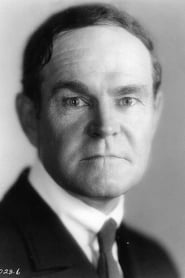
Guy Oliver
Actor
Born: September 25, 1878 in Chicago, Illinois, USA Died: September 1, 1932 Active: 1912-1932
Films
14 films
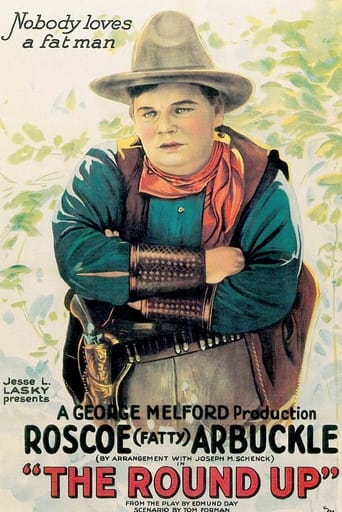

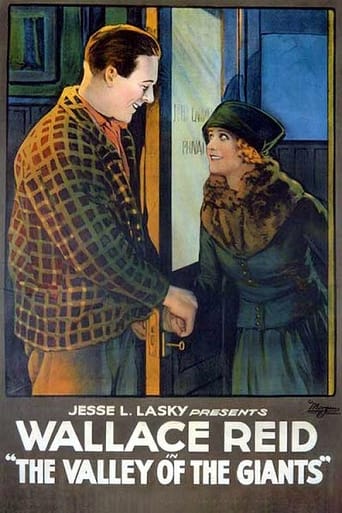
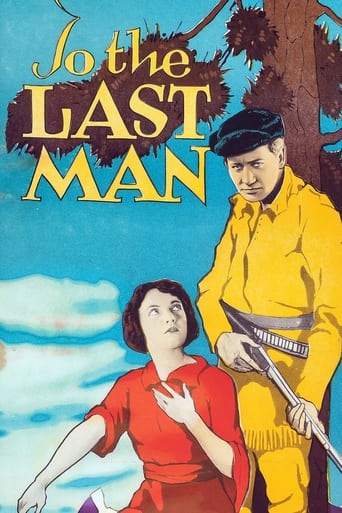

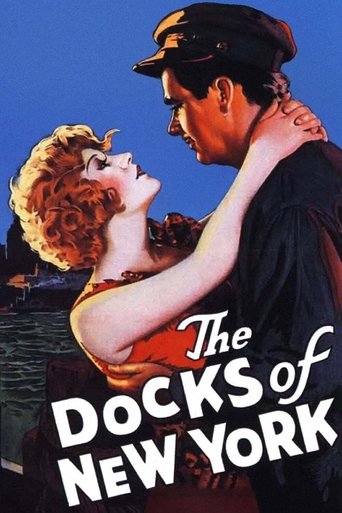
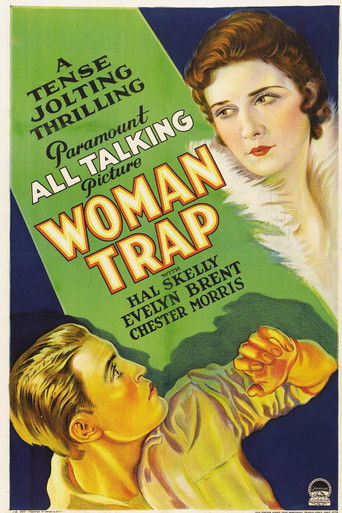
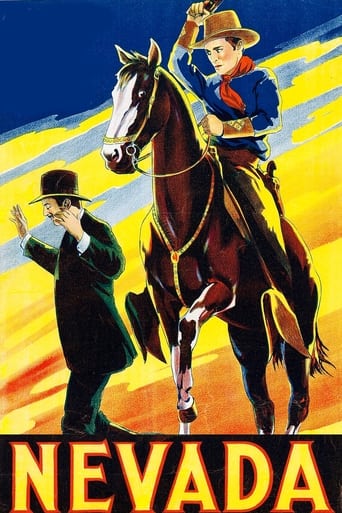
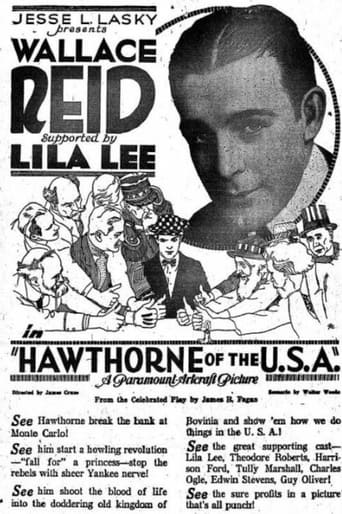
About Guy Oliver
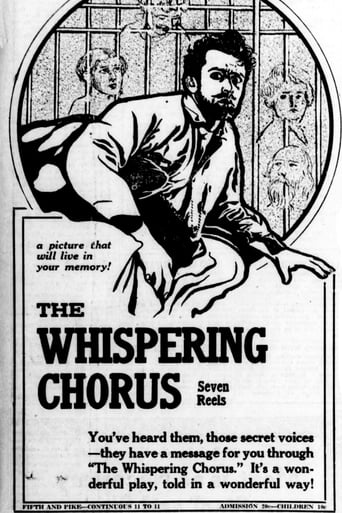
Prolific American character actor of the silent film era, appearing in over 200 films between 1912 and his death in 1932. Born in Chicago, Illinois, he began his film career with the Thanhouser Company in 1912, quickly establishing himself as a reliable supporting actor. Oliver worked extensively with director Cecil B. DeMille, appearing in many of his early Paramount productions including 'The Whispering Chorus' and 'The Squaw Man.' His imposing physique and distinctive mustache made him ideal for roles as authority figures, villains, and gentlemen. Throughout the 1920s, he continued to work steadily in Hollywood's studio system, transitioning to sound films in the early 1930s. Oliver's career was cut short by his untimely death from a heart attack in 1932, but he left behind an impressive body of work that exemplified the craft of silent film acting. His ability to convey emotion and character through subtle gestures and expressions made him a valuable asset to directors during cinema's formative years.
The Craft
On Screen
Guy Oliver was known for his naturalistic yet expressive acting style that perfectly suited the silent era. He possessed a commanding screen presence with his tall stature and distinctive mustache, often playing authority figures, villains, or gentlemen. Oliver's technique emphasized subtle facial expressions and controlled body language, allowing him to convey complex emotions without dialogue. His performances were marked by a quiet intensity and restraint, avoiding the exaggerated gestures common among many silent film actors. This subtlety made his transition to sound films seamless, as his acting was already grounded in realistic character portrayal rather than theatrical pantomime.
Milestones
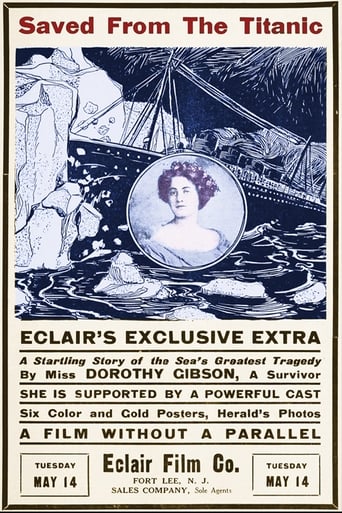
- Film debut in Saved from the Titanic (1912)
- Regular collaborator with Cecil B. DeMille
- Appeared in over 200 films
- Transitioned successfully to sound films
- Prolific supporting actor in Hollywood's Golden Age
Best Known For
Iconic Roles
Must-See Films
Working Relationships
Worked Often With
Studios
Why They Matter
Impact on Culture
Guy Oliver's contributions to early Hollywood cinema represent the essential role of character actors in establishing the film industry's foundation. His extensive filmography provides a valuable record of the evolution of American cinema from its primitive beginnings to sophisticated studio productions. Oliver's work with directors like Cecil B. DeMille helped establish the visual language of cinema, particularly in the epic historical dramas that defined early Hollywood. His ability to transition from silent to sound films demonstrated the adaptability required of actors during this revolutionary period in film history. Though never a star, Oliver's consistent presence in hundreds of films made him a familiar face to moviegoers of the era and an integral part of Hollywood's golden age.
Lasting Legacy
Guy Oliver's legacy lies in his impressive body of work that spans two decades of revolutionary change in American cinema. His filmography serves as a valuable resource for film historians studying the development of Hollywood's studio system and the transition from silent to sound films. Oliver represents the countless reliable character actors who formed the backbone of early Hollywood, providing the essential support that allowed stars to shine. His collaborations with major directors and appearances in landmark films have ensured his place in cinema history, even if his name is not widely recognized by modern audiences. The preservation of his films continues to offer insights into the craft of acting during cinema's formative years.
Who They Inspired
While Guy Oliver was not known for mentoring other actors directly, his professional approach and consistent performances set a standard for character actors in the industry. His ability to portray diverse roles authentically influenced subsequent generations of supporting actors who sought to build careers through versatility rather than stardom. Oliver's successful transition from silent to sound films demonstrated to his contemporaries that strong acting fundamentals could transcend technological changes in the medium. His work ethic and reliability on set became legendary among directors who valued actors they could depend on for consistent, quality performances.
Off Screen
Guy Oliver was married to actress Ethel Fleming, with whom he had two children. The couple maintained a stable family life in Hollywood despite the demands of Oliver's busy film career. Oliver was known among his colleagues as a reliable professional who was always prepared on set and willing to help younger actors. His sudden death from a heart attack in 1932 at age 53 shocked the Hollywood community, as he had been actively working until his final days. Oliver was remembered fondly by his contemporaries as a kind, generous man who never let his success affect his humble demeanor.
Education
Limited formal education, likely attended local schools in Chicago
Family
- Ethel Fleming (1915-1932)
Did You Know?
- Appeared in over 200 films during his 20-year career
- Was one of the few actors to successfully transition from silent to sound films
- Worked with director Cecil B. DeMille on multiple occasions
- His film 'Saved from the Titanic' (1912) was remarkably made just one month after the actual Titanic disaster
- Often played characters older than his actual age due to his appearance
- Was a member of the original Motion Picture Relief Fund
- His death came just before he was scheduled to appear in a major talking picture
- Never received a screen credit in many of his early films, as was common for supporting actors of the era
- Worked with virtually every major star of the silent era
- His distinctive mustache became his trademark and was often copied by other actors
In Their Own Words
The secret to longevity in this business is simple: be professional, be prepared, and be grateful for every opportunity.
Frequently Asked Questions
Who was Guy Oliver?
Screen credits include over 200 films between 1912 and 1932. He was known for his distinctive mustache and authoritative presence, often playing supporting roles as villains, executives, or gentlemen.
What films is Guy Oliver best known for?
Titles linked here include Saved from the Titanic (1912), The Whispering Chorus (1918).
When was Guy Oliver born and when did he die?
Born September 25, 1878; died September 1, 1932.
What awards did Guy Oliver win?
Guy Oliver did not receive any major awards during his career, which was common for character actors of his era. However, he was highly respected within the industry for his professionalism and extensive body of work.
What was Guy Oliver's acting style?
Guy Oliver was known for his naturalistic and restrained acting style, using subtle facial expressions and controlled body language rather than the exaggerated gestures common in silent films. This approach made his transition to sound films seamless and established him as a reliable character actor.
Did Guy Oliver work with any famous directors?
Yes, Guy Oliver worked extensively with Cecil B. DeMille, one of Hollywood's directors. He also collaborated with other notable directors of the era including Thomas H. Ince and appeared in films for major studios like Paramount and MGM.
How did Guy Oliver transition to sound films?
Guy Oliver successfully transitioned to sound films in the early 1930s due to his naturalistic acting style and clear diction. Unlike many silent film stars who struggled with the new technology, Oliver's restrained performance style was already well-suited for talking pictures.