Lillian Worth
Actor
Born: June 16, 1894 in New York City, New York, USA Died: February 24, 1977 Active: 1921-1928 Birth Name: Lillian Wortman
Films
4 films
About Lillian Worth
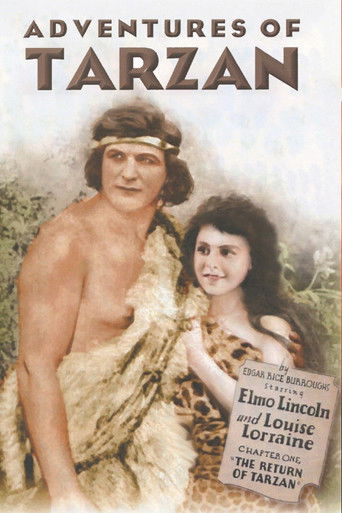
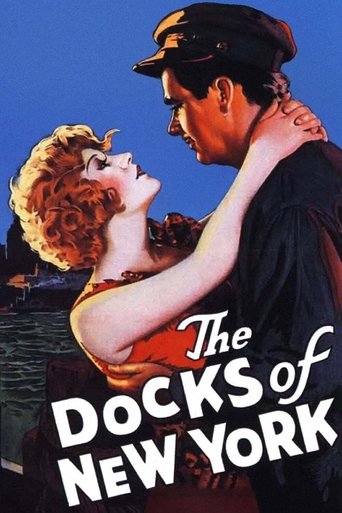
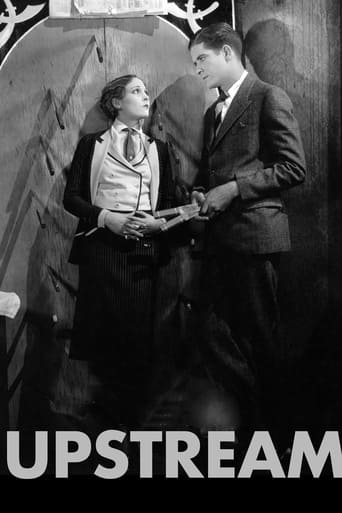
American actress who flourished during the silent film era of the 1920s, appearing in numerous productions before the transition to sound. Born Lillian Wortman in New York City, she began her film career in the early 1920s and quickly established herself as a reliable supporting actress. Her breakthrough came with her role in the 1921 serial film 'The Adventures of Tarzan,' where she played opposite Elmo Lincoln, the original screen Tarzan. Worth's career reached its artistic peak when she collaborated with acclaimed director Josef von Sternberg, appearing in two of his most significant silent works: 'Upstream' (1927) and 'The Docks of New York' (1928). In these films, she demonstrated remarkable adaptability, portraying characters that ranged from working-class women to more sophisticated roles. Her performances, though often in supporting capacities, were noted for their naturalistic quality during a period when many silent film actors relied heavily on exaggerated gestures. As the film industry transitioned to sound in the late 1920s, Worth's career, like many silent era actors, began to wane, and she made her last film appearances around 1928.
The Craft
On Screen
Lillian Worth was known for her naturalistic and understated acting style, which set her apart from many of her contemporaries in the silent era. Rather than relying on the exaggerated gestures and melodramatic expressions common in silent films, Worth favored subtle facial expressions and nuanced body language to convey emotion. Her performances were characterized by a sense of authenticity and realism that made her characters relatable to audiences. In her collaborations with Josef von Sternberg, she demonstrated particular skill in portraying working-class women with dignity and depth, bringing a sense of everyday reality to her roles that resonated with viewers of the time.
Milestones
- Breakthrough role in 'The Adventures of Tarzan' (1921)
- Collaboration with director Josef von Sternberg
- Memorable performance in 'The Docks of New York' (1928)
- Appearance in the critically acclaimed 'Upstream' (1927)
- Successful transition from serial films to feature dramas
Best Known For
Iconic Roles
Must-See Films
Accolades
Special Recognition
- Preservation of her films in the Library of Congress National Film Registry ('The Docks of New York')
Working Relationships
Worked Often With
Studios
Why They Matter
Impact on Culture
Lillian Worth represents the generation of talented actors who successfully navigated the transition from serial films to feature-length productions during the silent era. Her work with Josef von Sternberg contributed to the director's development of his distinctive visual style and psychological approach to character development. Though not a major star, Worth's performances in films like 'The Docks of New York' helped establish the naturalistic acting style that would become more prevalent in American cinema. Her portrayal of working-class characters with dignity and authenticity reflected the growing realism in American film during the late 1920s, helping to move the medium away from theatrical conventions toward more cinematic storytelling.
Lasting Legacy
Lillian Worth's legacy endures primarily through her surviving film work, particularly her collaborations with Josef von Sternberg, which are now considered classics of silent cinema. 'The Docks of New York,' in which she appeared, has been preserved in the National Film Registry for its cultural and historical significance. While she may not have achieved lasting fame as an individual performer, her contributions to these important films ensure her place in cinema history. Worth represents the countless competent and talented supporting actors who were essential to the success of silent films but whose names have largely faded from public memory. Her career serves as a reminder of the collaborative nature of filmmaking and the importance of ensemble performances in creating cinematic masterpieces.
Who They Inspired
While Lillian Worth did not have a widely documented influence on subsequent generations of actors, her naturalistic acting style anticipated the more realistic performances that would become standard in sound cinema. Her work with von Sternberg demonstrated how supporting actors could contribute significantly to a film's overall artistic vision without dominating the screen. The subtlety of her performances, particularly in comparison to the more exaggerated styles common in early silent films, helped pave the way for the more nuanced acting techniques that would emerge in the 1930s and beyond. Her ability to convey complex emotions through minimal expression influenced how directors approached casting and directing supporting roles in ensemble films.
Off Screen
Lillian Worth was born into a middle-class family in New York City and showed an early interest in performing arts. She married fellow actor and director William A. Bowman in the early 1920s, though the marriage ended in divorce. After her film career ended with the advent of sound, Worth largely withdrew from public life and focused on her personal interests. She spent her later years in Los Angeles, where she lived quietly until her death in 1977 at the age of 82. Despite her relatively short career in the spotlight, she maintained connections with several film industry friends throughout her life.
Education
Limited information available, likely attended local schools in New York City before pursuing acting
Family
- William A. Bowman (1920s)
Did You Know?
- Born Lillian Wortman, she changed her surname to 'Worth' for her film career
- Her role in 'The Adventures of Tarzan' was one of her earliest film appearances
- She worked with Elmo Lincoln, the first actor to play Tarzan on screen
- Her collaboration with Josef von Sternberg came during his most creative period
- 'The Docks of New York' was considered lost for decades before being rediscovered and restored
- She appeared in both serial films and feature-length productions, showing versatility
- Her active years covered only about 7 years, typical for many silent era actors
- She was part of the transition period when films were evolving from simple entertainment to artistic expression
- Unlike many silent stars, she successfully avoided scandal and maintained a respectable public image
- Her films are now studied by film historians as examples of late silent era craftsmanship
In Their Own Words
No documented famous quotes from Lillian Worth, as was common for supporting actors of the silent era who rarely gave interviews or made public statements
Frequently Asked Questions
Who was Lillian Worth?
American actress who worked during the silent film era of the 1920s, best known for her roles in 'The Adventures of Tarzan' (1921), 'Upstream' (1927), and 'The Docks of New York' (1928). Born Lillian Wortman, she had a relatively brief but notable career, particularly in her collaborations with director Josef von Sternberg.
What films is Lillian Worth best known for?
Titles linked here include The Adventures of Tarzan (1921), Upstream (1927).
When was Lillian Worth born and when did she die?
Born June 16, 1894; died February 24, 1977.
What awards did Lillian Worth win?
Lillian Worth did not receive any major personal awards during her career, as was common for supporting actors of the silent era. However, one of her films, 'The Docks of New York,' has been preserved in the National Film Registry for its cultural significance.
What was Lillian Worth's acting style?
Lillian Worth was known for her naturalistic and understated acting style, which was unusual for the silent era when exaggerated gestures were common. She favored subtle expressions and realistic portrayals, particularly in her roles as working-class characters in von Sternberg's films.
Did Lillian Worth make the transition to sound films?
No, Lillian Worth's career effectively ended with the transition to sound films in the late 1920s. Like many silent era actors, particularly those in supporting roles, she did not continue acting in sound films and retired from the industry around 1928.
How did Lillian Worth collaborate with Josef von Sternberg?
Lillian Worth worked with director Josef von Sternberg on two of his most acclaimed silent films: 'Upstream' (1927) and 'The Docks of New York' (1928). These collaborations represented the peak of her career and showcased her ability to bring naturalistic authenticity to the director's psychologically complex characters.