Films
5 films

About Richard Alexander
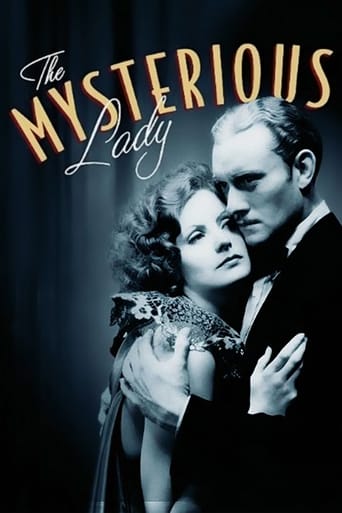
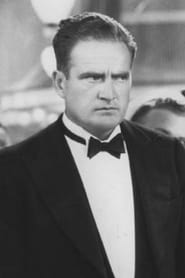
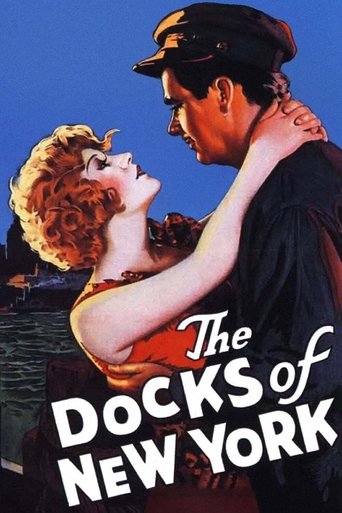
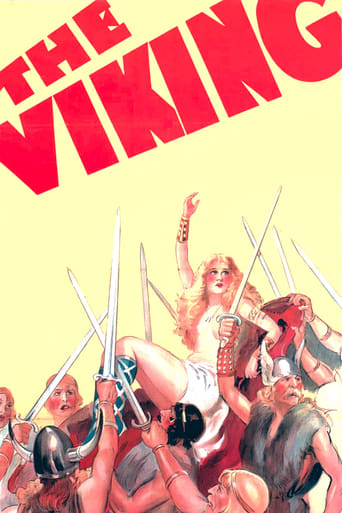
Richard Alexander appeared in a number of prominent studio productions, usually in uncredited or supporting roles. He is Richard Alexander appeared in films such as The Mysterious Lady (1928), The Docks of New York (1928), The Viking (1928), and City Girl (1930), placing his screen work squarely in the transitional period between silent cinema and the coming of synchronized sound. Like many working actors of the period, he did not become a major star, but he contributed to the texture of studio filmmaking by filling out ensembles, background action, and bit parts that helped scenes feel lived-in and authentic. His surviving filmography suggests he was active at least between 1928 and 1930, with his best-known appearances occurring in productions associated with major directors and major studios. Because he worked during a time when many performers went unbilled or were sparsely documented, substantial biographical details about his personal life are not readily preserved in standard reference sources. Even so, his name remains of interest to classic film historians and database researchers because his credits connect him to several notable late-silent films. He represents the many dependable professional players whose work supported the visual and dramatic realism of early Hollywood cinema.
The Craft
On Screen
Richard Alexander appears to have worked as a character and supporting performer rather than a leading player, which suggests a style focused on economy, functional realism, and adaptability to ensemble scenes. In films of this period, such actors were typically valued for their ability to register clearly on camera with minimal screen time, whether through physical presence, reaction shots, or quick spoken lines in early talkies. His roles likely relied more on type, demeanor, and visual immediacy than on star-centered expressiveness. Because his known credits are limited and many appear to be supporting parts, a more specific stylistic profile is difficult to verify from surviving reference material.
Milestones
- Appeared in The Mysterious Lady (1928), a major late-silent MGM production starring Greta Garbo
- Worked in The Docks of New York (1928), one of the signature late-silent films directed by Josef von Sternberg
- Acted in The Viking (1928), a large-scale maritime adventure feature notable for its Technicolor sequences and spectacular location work
- Appeared in City Girl (1930), a transitional early sound-era film associated with director F. W. Murnau
- Built a screen career in supporting and often uncredited roles during the final years of the silent era
- Participated in productions that are now valued as historically significant examples of late silent and early talkie filmmaking
Best Known For
Iconic Roles
Must-See Films
Why They Matter
Impact on Culture
Richard Alexander’s cultural impact lies less in celebrity than in the collective labor of classic Hollywood character actors who helped define the realism and density of studio-era filmmaking. By appearing in important productions at the end of the silent era and the dawn of sound, he contributed to films that remain part of the canon of American cinema history. Supporting players like Alexander helped establish the social worlds of these films, giving shape to crowds, institutions, and workplaces that made the stories believable. While he is not a widely recognized name for general audiences, his presence in notable films places him within the network of performers who made the classical studio system function at a high level of consistency.
Lasting Legacy
Alexander’s legacy is primarily archival and historical: he is remembered as part of the long roster of reliable screen workers whose names surface in credits, cast lists, and filmographies of important early films. His film appearances link him to significant directors and productions from a transformative moment in movie history, when Hollywood was shifting from silent storytelling to synchronized dialogue and new performance styles. For scholars and database users, his career is useful as a reminder that the classical era depended not only on stars but also on a deep bench of lesser-known performers. Preserving his credits helps maintain the integrity of film history and acknowledges the many artists whose contributions were essential but often underpublicized.
Who They Inspired
There is no strong evidence that Richard Alexander directly influenced major stars or filmmakers in a documented, named way. His influence is better understood indirectly, through the professional model of dependable supporting work that shaped studio-era production practices. Performers like him helped normalize concise, camera-ready character acting in ensemble pictures and early sound films. His surviving filmography also contributes to the broader historical understanding of how cast ensembles operated in the transition from silent to sound cinema.
Off Screen
No reliable, widely documented personal-life profile for this Richard Alexander is readily available in standard classic-cinema reference sources. Information about his family background, marriages, children, residence, and life outside the screen industry has not been clearly preserved in commonly consulted film histories or databases. He appears to have been one of the many studio-era working actors whose professional record survives more clearly than his private life. As a result, any deeper claims about his relationships or later years would be speculative and are not included here.
Did You Know?
- He is associated with several important transitional films from the late silent era.
- His known credits cluster in a very short period, suggesting either a brief screen career or incomplete surviving documentation.
- He appeared in both prestige dramas and large-scale adventure productions.
- The films connected to him include works by major directors such as Josef von Sternberg and F. W. Murnau.
- He is not to be confused with other people named Richard Alexander, including later film and television personalities.
- His limited documentation is typical of many studio-era supporting actors whose names were recorded more reliably than their biographies.
- He likely worked as a dependable character performer rather than a star, which was common in Hollywood's studio system.
- His credits make him a useful figure for researchers studying uncredited or lightly documented screen careers.
Frequently Asked Questions
Who was Richard Alexander?
Character with credits in this catalog. He is best known for supporting roles in films such as The Mysterious Lady, The Docks of New York, The Viking, and City Girl.
What films is Richard Alexander best known for?
Titles linked here include The Mysterious Lady (1928), The Docks of New York (1928).
When was Richard Alexander born and when did he die?
Reliable reference sources consulted for this profile do not clearly establish his birth or death dates. For this reason, those details are listed as unavailable rather than guessed.
What awards did Richard Alexander win?
No awards or major nominations are clearly documented for this Richard Alexander in the available classic-cinema reference record. He appears to have been a working supporting actor rather than a heavily decorated public figure.
What was Richard Alexander's acting style?
He appears to have worked as a supporting and character performer, likely relying on economy, presence, and adaptability rather than star-centered flourish. In late silent and early sound films, that kind of performance was essential for making scenes feel grounded and believable.
What is Richard Alexander's legacy in film history?
His legacy is tied to the craft of classic Hollywood's supporting cast, especially during the shift from silent cinema to early sound. He represents the many skilled but underdocumented performers whose work helped sustain the studio system and enrich important films.