1929 · 96 minutes

Also available on: YouTube Wikimedia
Rio Rita

Rio Rita

1929 96 minutes United States

"The most entertaining musical romance since the talkies began"

Romantic duty versus personal desireMistaken identity and concealed allegianceBorder-crossing adventureComedy amid crime and pursuitTheatrical spectacle and musical performance

Plot

Captain James Stewart, a Texas Ranger, is assigned to track down the outlaw known as "The Kinkajou," who has been raiding across the Mexican border. While pursuing the criminal, Stewart becomes romantically involved with Rita, a beautiful young woman living near the border, but he grows suspicious when clues suggest that her brother may be connected to the bandit. The story moves between light romance, comic misunderstandings, and borderland adventure as the Ranger tries to balance duty with his feelings for Rita. In the end, the identity of the outlaw and the family entanglements are resolved, allowing the lovers to unite after the chase and the comic subplots have run their course.

About the Production

Release Date 1929-09-06
Production Metro-Goldwyn-Mayer
Filmed In Metro-Goldwyn-Mayer studios, Culver City, California

Rio Rita was one of MGM's earliest prestige musicals in the sound era and was produced during the rapid transition from silent cinema to synchronized sound films. It adapted the successful 1927 Broadway stage musical by Harry Tierney, Joseph McCarthy, and Guy Bolton, and MGM mounted it on a lavish scale to capitalize on the then-new public appetite for all-talking, all-singing pictures. The film was notable for its extensive use of pre-recorded songs, large ensemble musical numbers, and elaborate sets representing both Texas and the Mexican border region. Because the film was made so early in the sound period, the production had to accommodate the technical limitations of heavy cameras and primitive recording equipment, which influenced staging and movement. It was also heavily associated with the popular Wheeler and Woolsey comic team, who emerged from the success of the stage and screen adaptation as major film comedians.

Historical Background

Rio Rita arrived in 1929, a pivotal year in film history when the sound revolution was transforming Hollywood almost overnight. Studios were racing to produce talkies, and musicals became one of the most profitable and visible genres because they showcased synchronized sound in a way silent films could not. The movie reflects the late-1920s fascination with border settings, romantic adventure, and comic ethnic colorings that were common in American entertainment of the period, even when they now read as highly stylized or dated. Its release came just before the Great Depression fully reshaped the film business and audience expectations, making it part of the last wave of exuberant, high-gloss pre-Depression studio entertainments. The film matters historically because it demonstrates how quickly MGM adapted stage musical material into a screen format that could exploit star appeal, popular songs, and the novelty of synchronized sound.

Why This Film Matters

Rio Rita is significant as an early example of the large-scale Hollywood musical successfully translated from Broadway to the screen, helping establish the template for studio musicals that would dominate much of the 1930s. It also played a role in advancing Bert Wheeler and Robert Woolsey from stage-comedy origins into one of the best-known comedy pairings of the early sound era, influencing the tone of subsequent MGM and RKO comic musicals. Culturally, the film offers a snapshot of late-1920s American fantasies about the Mexican border, blending romance, law enforcement, and musical spectacle in a way that reflects the era's entertainment values. Its importance today lies less in modern relevance than in its value as a transitional artifact, showing how silent-era stage adaptation, vaudeville comedy, and new sound technology fused into the early talkie musical.

Making Of

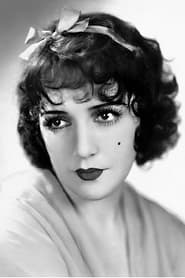
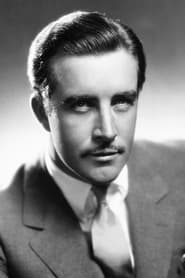
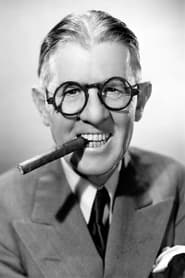
Rio Rita was designed as a major studio showcase for MGM's early sound capabilities, requiring careful coordination of dialogue, songs, chorus numbers, and comic business in an era when filmmakers were still learning how to stage action for the microphone. The film brought a Broadway property to the screen with an emphasis on spectacle, and the production likely benefited from the already proven popularity of the stage show. The casting of Bebe Daniels and John Boles provided conventional romantic leads, while Bert Wheeler supplied broad comic energy that matched the taste for fast, vaudeville-derived humor in early talkies. The film's success reinforced MGM's strategy of combining theatrical source material with top-tier studio polish, and it also helped solidify the commercial viability of comedy teams in the sound era. Because the movie was made before Hollywood had fully solved the problems of mobile sound recording, scenes tend to be staged in comparatively static but carefully arranged tableaux that privilege clarity of performance over visual fluidity.

Visual Style

The cinematography reflects the constraints and style of very early sound filmmaking, with a relatively static camera and careful blocking designed to keep dialogue and songs intelligible. The visual style emphasizes studio-bound sets, polished interiors, and controlled group compositions rather than elaborate camera movement. Large ensemble musical numbers are framed to present performers clearly, and the film uses contrast between borderland exteriors and theatrical interiors to maintain a sense of romantic adventure. Its imagery is less about expressive camera work than about making sound, performance, and spectacle legible to audiences experiencing a new form of cinema.

Innovations

Rio Rita is not known for a single groundbreaking technical invention, but it is historically notable as a high-profile early sound musical that demonstrated how a studio could coordinate dialogue, song, and comic timing on a feature-length scale. Its achievement lies in the successful integration of Broadway-style musical material into cinema at a moment when the industry was still adapting to sound recording constraints. The film also exemplifies MGM's early ability to produce polished talkies with synchronized musical performances and large-scale production values. In that sense, it helped normalize the studio musical as a viable commercial and artistic format.

Music

The film's soundtrack is built around songs from the original stage musical by Harry Tierney, with lyrics by Joseph McCarthy and book by Guy Bolton. As an early talkie musical, it uses synchronized singing and dialogue as a central attraction, and the score was a major part of its commercial appeal. The songs were designed to be catchy, stage-tested numbers that could survive the transition from Broadway to screen. Because the film comes from the earliest years of sound cinema, the recording style is comparatively straightforward, favoring intelligibility and theatrical presentation over later-era orchestral sophistication.

Famous Quotes

Captain James Stewart's pursuit of "The Kinkajou" drives the story, but the film is more remembered for its songs and comic exchanges than for a single signature line.
No widely canonized full quote from Rio Rita is consistently cited in modern reference sources.

Memorable Scenes

  • The opening border pursuit that establishes the conflict between the Texas Ranger and the outlaw known as The Kinkajou.
  • The musical set pieces that showcase the film's early sound-era spectacle and stage-derived showmanship.
  • The romantic scenes between Captain Stewart and Rita, which contrast tenderness with suspicion and comic intrigue.
  • The comic interludes involving the Wheeler-and-Woolsey style humor that provide much of the film's lasting entertainment value.

Did You Know?

  • Rio Rita was adapted from a 1927 Broadway musical that had been a substantial stage hit before being brought to the screen.
  • The film is often cited as one of the earliest big MGM musicals of the sound era and was an important demonstration of the studio's ability to produce expensive synchronized entertainment.
  • Bert Wheeler and Robert Woolsey's comic partnership was boosted significantly by the film's success, helping establish them as a marquee comedy team for the early 1930s.
  • Although the title role suggests a central romantic heroine, the film is remembered as much for its comic relief and musical spectacle as for its love story.
  • The film reflected Hollywood's early fascination with border and pseudo-exotic settings, using a romanticized Mexican frontier atmosphere typical of the period.
  • Like many early sound films, its pacing and staging were shaped by the technical demands of microphones and sound recording, which limited camera mobility compared with silent-era productions.
  • The movie was released at the height of the first musical boom, when studios were rapidly producing lavish song-and-dance films to meet audience demand.
  • It became one of the more successful musical vehicles of the late 1920s and helped prove that feature-length musical comedy could attract major audiences.
  • The plot's blend of romance, mistaken identity, and comic policing is characteristic of pre-Code musical entertainment, where genre boundaries were often fluid.
  • The film's popularity helped keep the original stage property in public memory long after the Broadway run had ended.

What Critics Said

Contemporary response was generally favorable, with the film praised for its lavishness, catchy tunes, and the comic appeal of Wheeler and Woolsey. Like many first-generation sound musicals, it was admired for novelty as much as for artistry, though critics also noted the limitations imposed by early sound recording and static staging. Over time, its reputation has become more historical than canonical: modern critics tend to view it as an important early musical and a lively showcase for early talkie comedy rather than as a fully polished later MGM musical. Today it is often discussed in the context of the rapid evolution of the sound film and the development of the studio musical form.

What Audiences Thought

Audiences of the late 1920s responded enthusiastically to sound musicals, and Rio Rita benefited from that boom with strong popular appeal. Viewers were drawn to its songs, romance, and comic interludes, as well as the novelty of hearing a full-scale studio musical in synchronized sound. The film's popularity helped elevate its stars and encouraged MGM to continue investing in musical entertainment. In retrospect, audience interest is strongest among classic-film enthusiasts, early sound historians, and viewers interested in the origins of Hollywood musical comedy.

Film Connections

Influenced By

  • Rio Rita stage musical (1927)
  • Broadway musical comedy traditions
  • Vaudeville comic routines
  • Early operetta and light romantic adventure films

This Film Influenced

  • The Wheeler and Woolsey comedies of the early 1930s
  • Early MGM sound musicals that paired romance with comic relief
  • Subsequent Hollywood border-musical and border-comedy films

Film Restoration

The film is preserved and circulates in surviving prints and home-video/archival forms; it is not considered lost.

Themes & Topics

Texas RangerMexican borderoutlaw pursuitromancemusical comedymistaken suspicion