

Dixiana
"Circus heart, plantation gate"
Keys: Space play/pause · ←/→ 10s · F fullscreen · M mute · </> speed
About this film
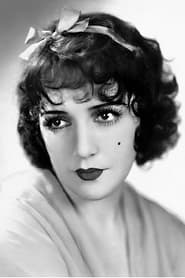
Circus rider Dixiana loves plantation heir Pepe, but his stepmother and class prejudice separate the lovers in Luther Reed's 1930 early-talkie musical starring Bebe Daniels.
Cast & crew
More films like this
More Comedy films
View all →







More from Luther Reed
View all →
More about this film
About the production
Release dateOctober 19, 1930
Budget$425,000
Box officeModerate success, but not a blockbuster
ProductionRadio Pictures, RKO Studios
Filmed inRKO Studios, Hollywood, California
This was one of the earliest films to feature the new Technicolor process for specific sequences. The production faced challenges with the early sound recording equipment, requiring multiple takes for musical numbers. The circus sequences were particularly complex to film, requiring coordination of multiple performers and animals.
Themes
Class differences and social barriersLove conquering all obstaclesThe magic of circus entertainmentSouthern nostalgiaThe power of music and performance
Themes & topics
circusantebellum Southromancemusicalclass differencescomedyNew Orleansplantationforbidden lovereconciliation
Historical background
Dixiana was among RKO's early musicals struggling to integrate sound with spectacle; antebellum settings carried dated racial imagery.
Why this film matters
'Dixiana' represents an important transitional work in early sound cinema, showcasing the industry's experimentation with combining multiple genres. The film's use of Technicolor for specific sequences demonstrated the growing interest in color technology. As an early musical with circus elements, it contributed to the development of the backstage musical genre that would become popular in the 1930s. The film also reflects the era's romanticized depiction of the American South, a theme that would continue in Hollywood for decades.
Making of
The production of 'Dixiana' was ambitious for its time, combining elements of circus spectacle with Southern romance. Early sound recording technology presented significant challenges, especially during the musical numbers. The cast had to remain relatively still near the microphones, limiting their movement. The circus sequences required extensive choreography and coordination, with performers having to time their acts to the recorded music. Bebe Daniels, an experienced actress from the silent era, had to adapt her performance style for the new sound medium, proving her versatility as both actress and singer.
What critics said
Reviewers noted Daniels's charm amid creaky plot; it is studied as a transitional talkie musical more than a classic.
Did you know?
- This was Bebe Daniels' first film for RKO after leaving Paramount Pictures
- The film featured an early use of two-strip Technicolor for the finale sequence
- Everett Marshall was a professional opera singer making his film debut
- The circus sequences were filmed using real circus performers from the Ringling Brothers Circus
- Director Luther Reed was primarily known as a Broadway director before transitioning to films
- The film was considered quite lavish for its time, with elaborate period costumes and sets
- Some versions of the film included additional musical numbers that were cut from later releases
- The movie was released during the transition from silent films to talkies, showcasing both technologies
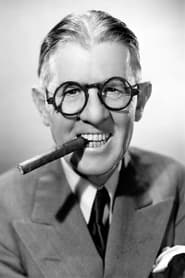
- Bert Wheeler and Robert Woolsey were a popular comedy team who appeared in several films together
- The plantation scenes were filmed on the same backlot used for 'Gone with the Wind' years later
Awards & recognition
- No major awards were won, but received recognition for its technical innovations
Visual style
The cinematography by Edward Cronjager was notable for its innovative use of early two-strip Technicolor in the finale sequence. The black and white portions demonstrated sophisticated camera movement for the time, especially during the circus sequences. The lighting techniques were adapted to accommodate the limitations of early sound recording, creating a distinctive visual style that balanced dramatic and musical elements.
Innovations
The film's most significant technical achievement was its early use of two-strip Technicolor for the finale, one of the earliest examples of color in a feature-length musical. The production also experimented with early sound recording techniques, particularly in capturing circus performances and musical numbers. The elaborate set design and costume work represented some of the most ambitious production values of early 1930s cinema.
Music
The musical score was composed by Max Steiner, with songs by Harry Akst and Grant Clarke. Notable numbers included 'I'm a Hundred Percent for You,' 'Dixiana,' and 'Rollin' on a River.' The soundtrack was recorded using the early sound-on-disc system, which presented technical challenges but resulted in surprisingly clear audio quality for the period. The musical arrangements blended popular songs of the era with traditional Southern melodies.
Famous quotes
In the circus, we're all family - no matter where we come from.
Love doesn't care about plantation boundaries or circus tents.
The South may have its traditions, but the heart has its own laws.
Memorable scenes
- The spectacular circus finale featuring two-strip Technicolor, with elaborate acrobatic performances and musical numbers
- The romantic moonlit scene between Dixiana and Pepe on the plantation grounds
- The comedic rivalry between the two circus clowns vying for the Southern belle's attention
- The emotional confrontation scene where Pepe defies his stepmother to defend his love for Dixiana
What audiences thought
Audiences in 1930 responded positively to the film's entertainment value, particularly enjoying the circus spectacle and musical numbers. The combination of romance, comedy, and musical elements appealed to Depression-era audiences seeking escapism. However, like many musicals of this period, it faced declining interest as audiences grew tired of the genre's saturation. The film developed a cult following among classic film enthusiasts in later years.
Film connections
Influenced by
- The Broadway musical tradition
- Circus films of the 1920s
- Southern romance literature
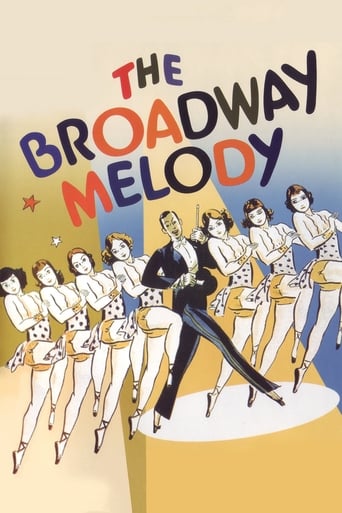
- Early sound musicals like 'The Jazz Singer' and 'The Broadway Melody'
This film influenced
- Subsequent circus-themed musicals
- Later Southern romance films
- Early Technicolor musical experiments
Film restoration
The film survives in various formats, though some versions are incomplete. The Technicolor sequences exist in black and white copies, with the original color elements lost. A restored version was released by Warner Archive Collection, combining the best available elements. The film is not considered lost, though finding complete versions with all musical numbers intact can be challenging.
Where to watch
- Available on DVD through Warner Archive Collection
- Streaming on some classic film subscription services
- Occasionally shown on Turner Classic Movies
- Available for purchase through digital classic film retailers