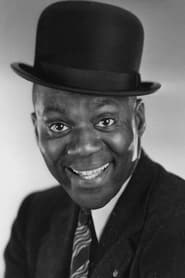
Bill Robinson
Actor
Born: May 25, 1878 in Richmond, Virginia, USA Died: November 25, 1949 Active: 1892-1949 Birth Name: Luther Robinson
Films
1 film
About Bill Robinson
Bill Robinson, known professionally as Bill 'Bojangles' Robinson, was an African American tap dancer, actor, and entertainer who rose from humble beginnings in Richmond, Virginia to become performers of his era. Beginning his career as a child performer in local beer gardens and traveling shows, Robinson developed his revolutionary tap dancing style that emphasized clean, precise footwork with minimal upper body movement. His breakthrough came in the 1920s when he became a headliner at the Cotton Club and other prestigious venues, earning unprecedented fees for an African American performer. Robinson transitioned to films in the 1930s, most notably appearing in several films with child star Shirley Temple, including 'The Little Colonel' (1935) where they performed the famous staircase dance routine. Despite facing racial discrimination throughout his career, Robinson broke numerous barriers, becoming one of the first African American performers to achieve mainstream crossover success and work alongside white performers on equal billing. He continued performing well into his later years, maintaining his status as one of America's most beloved entertainers until his death in 1949. Robinson's influence on dance and entertainment was profound, paving the way for future generations of African American performers.
The Craft
On Screen
Natural and charismatic performer whose acting was secondary to his extraordinary dancing abilities, often playing cheerful, supportive characters that showcased his warm personality and incredible footwork
Milestones
- Pioneered modern tap dance technique
- First African American to headline a Broadway show (1928)
- Starred in multiple films with Shirley Temple
- Performed at the Cotton Club
- Broke racial barriers in entertainment
- Appeared in 'Stormy Weather' (1943) finale
Best Known For
Iconic Roles
Must-See Films
Accolades
Won
- Inducted into the International Tap Dance Hall of Fame (1989)
- Inducted into the Virginia Musical Hall of Fame (2010)
Nominated
- Posthumous nomination for Broadway Theatre Hall of Fame
Special Recognition
- US Postage stamp issued in his honor (1989)
- Bill 'Bojangles' Robinson Day celebrated annually in New York City
- Statue in Richmond, Virginia
- Star on Hollywood Walk of Fame
Working Relationships
Worked Often With
Studios
Why They Matter
Impact on Culture
Bill Robinson revolutionized tap dancing by transforming it from a flat-footed shuffling style into an art form characterized by precision, clarity, and innovation. His 'staircase dance' with Shirley Temple in 'The Little Colonel' broke racial barriers as one of the first interracial dance sequences in a major Hollywood film. Robinson's success paved the way for future African American entertainers, demonstrating that Black performers could achieve mainstream popularity and commercial success. He challenged racial stereotypes through his dignified portrayals and refused to perform in blackface, maintaining his integrity even when it cost him opportunities. His influence extended beyond entertainment into civil rights, as he used his celebrity status to advocate for better treatment and opportunities for African Americans.
Lasting Legacy
Bill 'Bojangles' Robinson's legacy endures through his revolutionary contributions to dance and his role as a trailblazer for African American performers. His innovative tap technique influenced generations of dancers and became foundational to American dance styles. The annual 'Bojangles' Day' celebrations and numerous tributes in film, music, and literature attest to his lasting cultural significance. His life story continues to inspire artists and shows perseverance and artistic excellence in the face of adversity. Robinson's impact on breaking racial barriers in entertainment helped create opportunities for future generations of African American performers in Hollywood and beyond.
Who They Inspired
Robinson's precise, upright dancing style influenced countless performers including Fred Astaire, who called him 'the greatest dancer of all time.' His emphasis on clean footwork and minimal upper body movement became standard in tap dance technique. The Nicholas Brothers, Eleanor Powell, and Gene Kelly all acknowledged his influence on their work. Modern tap dancers continue to study and emulate his innovative steps and combinations. His success in crossing racial barriers inspired future African American entertainers from Sammy Davis Jr. To Gregory Hines, who saw Robinson as proof that talent could transcend prejudice.
Off Screen
Robinson was married three times but had no children. Despite his fame and success, he faced personal challenges including gambling and financial difficulties. He was known for his extreme generosity, often giving away money to friends and strangers, and was deeply involved in charitable work, particularly with children's organizations and African American causes. His personal life was marked by the racial tensions of the era, though he maintained a generally optimistic public persona.
Education
Limited formal education; largely self-taught through experience in vaudeville and minstrel shows
Family
- Fannie S. Clay (1907-1922)
- Marie Fowler (1922-1943)
- Elaine Plaines (1944-1949)
Did You Know?
- His nickname 'Bojangles' came from his tendency to steal from his employers as a child
- He could earn up to $3,500 per week at the height of his career - equivalent to over $60,000 today
- He once danced down Broadway in Manhattan to settle a bet
- Robinson — Freemason and belonged to the Prince Hall Masonic Lodge
- He invented the phrase 'Everything's copasetic' which became popular in the 1920s
- Despite his fame, he was often forced to use segregated facilities and entrances
- He performed for President Franklin D. Roosevelt at the White House
- His signature move was dancing up and down stairs while maintaining perfect rhythm
- He appeared in over 14 films throughout his career
- He was known to give away most of his earnings to friends and charitable causes
In Their Own Words
Everything's copasetic!
I'm not concerned with your liking or disliking me. All I ask is that you respect me as a human being.
I'd been dancing so long, I didn't know I could do anything else.
When you dance, you can enjoy the luxury of being you.
I'm a dancer. That's what I do. That's what I've always done.
Frequently Asked Questions
Who was Bill Robinson?
Bill 'Bojangles' Robinson — African American tap dancer, actor, and entertainer who became. He revolutionized tap dancing with his innovative style and broke racial barriers in Hollywood, particularly through his films with Shirley Temple.
What films is Bill Robinson best known for?
Titles linked here include The Little Colonel (1935), The Littlest Rebel (1935).
When was Bill Robinson born and when did he die?
Born May 25, 1878; died November 25, 1949.
What awards did Bill Robinson win?
During his lifetime, Robinson received limited formal recognition due to racial barriers, but he has been posthumously honored with induction into the International Tap Dance Hall of Fame, a US postage stamp, and a star on the Hollywood Walk of Fame.
What was Bill Robinson's dancing style?
Robinson developed a revolutionary tap dancing style characterized by upright posture, precise footwork, and minimal upper body movement. His clean, crisp sounds and innovative steps transformed tap dance from a shuffling style into an art form of precision and elegance.