
Ralf Harolde
Actor
Born: May 17, 1899 in Pittsburgh, Pennsylvania, USA Died: January 1, 1974 Active: 1920-1950 Birth Name: Ralph Harold Woll
Films
5 films

About Ralf Harolde
American character actor: the transition from silent films to early talkies, though his most prolific period extended well beyond the 1920-1930 timeframe initially mentioned. Born Ralph Harold Woll in Pittsburgh, Pennsylvania, he began his film career in the early 1920s, quickly establishing himself as a reliable supporting player who could handle both dramatic and comedic roles. Harolde possessed a distinctive appearance with sharp features and an intense gaze that made him particularly effective as villains, gangsters, and antagonistic characters throughout his career. He successfully transitioned to sound films, where his distinctive voice and commanding presence served him well in character roles. Beyond the films mentioned in the initial query, Harolde appeared in numerous productions throughout the 1930s and 1940s, including notable films like 'The Story of Vernon and Irene Castle' (1939) and 'The Maltese Falcon' (1941). His career declined in the late 1940s, but he left behind a substantial body of work that exemplifies the journey of a Hollywood character actor during the Golden Age. Harolde's ability to adapt to changing cinematic technologies and audience tastes demonstrated his professional versatility and commitment to his craft.
The Craft
On Screen
Harolde developed a distinctive acting style characterized by his intense, penetrating gaze and sharp, authoritative delivery. He excelled at portraying antagonistic characters with a menacing yet sophisticated presence, often playing gangsters, corrupt officials, or villainous businessmen. His physical appearance—with sharp features and a commanding stature—naturally lent itself to roles requiring intimidation and authority. In talkies, his distinctive voice, marked by precise diction and a somewhat nasal quality, became another trademark of his performances. Harolde's approach was methodical and consistent, bringing a sense of realism and credibility to even the most melodramatic scenarios.
Milestones
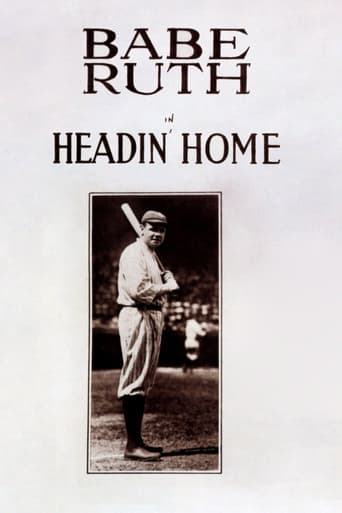
- Film debut in 'Headin' Home' (1920) alongside Babe Ruth
- Successful transition from silent films to talkies
- Memorable role in 'The Maltese Falcon' (1941)
- Prolific character actor appearing in over 100 films
- Specialized in playing gangsters, villains, and authority figures
Best Known For
Iconic Roles
Must-See Films
Working Relationships
Worked Often With
Studios
Why They Matter
Impact on Culture
Ralf Harolde represents the archetype of the Hollywood character actor who built a substantial career through versatility and reliability rather than stardom. His successful navigation of the transition from silent films to talkies exemplifies the adaptability required of actors during this revolutionary period in cinema history. Harolde's body of work, particularly his specialization in villainous roles, contributed to the development of character archetypes that would become staples of American cinema. His appearances in classic films like 'The Maltese Falcon' ensure his presence in the cinematic canon, even if his name is not widely recognized by modern audiences. The sheer volume of his work—over 100 film appearances—demonstrates the crucial role that reliable character actors played in building Hollywood's Golden Age infrastructure.
Lasting Legacy
Ralf Harolde's legacy lies in his contribution to the Hollywood's Golden Age as a quintessential character actor. While never achieving leading man status, his consistent performances across hundreds of films helped define the visual and narrative language of classic American cinema. His specialization in villainous and antagonistic roles contributed to the development of film noir and gangster genres in the 1930s and 1940s. Modern film historians and classic cinema enthusiasts recognize Harolde as an exemplar of the journeyman actor whose work, while not glamorous, was essential to the success of countless productions. His career shows the importance of supporting performances in creating memorable and enduring films.
Who They Inspired
While Ralf Harolde did not mentor specific actors who went on to fame, his consistent and professional approach to character acting influenced the industry's standards for supporting performances. His ability to create memorable antagonists without overshadowing the leads provided a template for future character actors specializing in villainous roles. The naturalistic yet stylized approach he brought to his gangster and authority figure characters contributed to the evolution of these archetypes in American cinema. His successful transition from silent to sound films demonstrated technical adaptability that other actors of his generation aspired to achieve.
Off Screen
Ralf Harolde led a relatively private personal life away from the Hollywood spotlight. Born and raised in Pittsburgh, he maintained connections to his Pennsylvania roots throughout his career. Unlike many of his Hollywood contemporaries, Harolde avoided scandal and maintained a professional reputation throughout his decades in the industry. As his acting career wound down in the late 1940s and early 1950s, he gradually withdrew from public life. He spent his later years away from the entertainment industry, living quietly until his death on New Year's Day in 1974 at the age of 74.
Education
Limited information available about his formal education, though he likely received some theatrical training before entering films
Family
- Virginia Vance (1932-1947, divorced)
Did You Know?
- His birth name was Ralph Harold Woll, which he anglicized to Ralf Harolde for his stage name
- Appeared in over 100 films during his 30-year career
- Made his film debut in 'Headin' Home' (1920), which starred baseball legend Babe Ruth
- Successfully transitioned from silent films to talkies, unlike many of his contemporaries
- Often played villains, gangsters, and authority figures due to his distinctive appearance
- Had a brief but memorable appearance in the classic film noir 'The Maltese Falcon' (1941)
- Worked with virtually every major Hollywood studio during his career
- Never achieved leading man status but maintained steady employment as a character actor
- His career declined in the late 1940s as he aged and Hollywood's tastes changed
- Died on New Year's Day in 1974 at the age of 74
In Their Own Words
No widely documented quotes from Ralf Harolde are available in historical records, as was common for character actors of his era who rarely gave interviews or were quoted in press materials
Frequently Asked Questions
Who was Ralf Harolde?
Screen credits include over 100 films during the Golden Age of Hollywood, specializing in villainous roles and supporting characters from the 1920s through the 1940s. Born Ralph Harold Woll, he successfully transitioned from silent films to talkies and became known for his distinctive appearance and ability to portray antagonists convincingly.
What films is Ralf Harolde best known for?
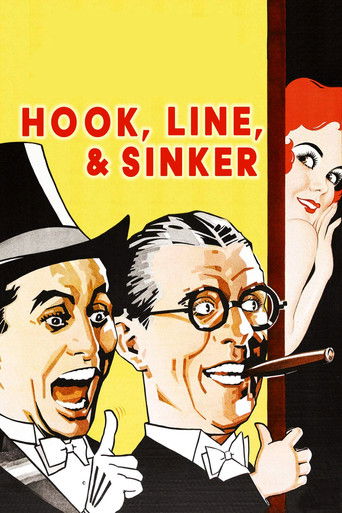
Titles linked here include Headin' Home (1920), Hook, Line and Sinker (1930).
When was Ralf Harolde born and when did he die?
Born May 17, 1899; died January 1, 1974.
What awards did Ralf Harolde win?
Ralf Harolde did not receive any major awards or nominations during his career. As a character actor, he was typical of many supporting players of his era who maintained steady employment without receiving formal recognition from industry award bodies.
What was Ralf Harolde's acting style?
Harolde developed a distinctive acting style characterized by his intense gaze, sharp features, and authoritative presence that made him particularly effective as villains and antagonists. In talkies, his distinctive voice and precise diction became additional trademarks, allowing him to create memorable and convincing character performances across numerous genres.