
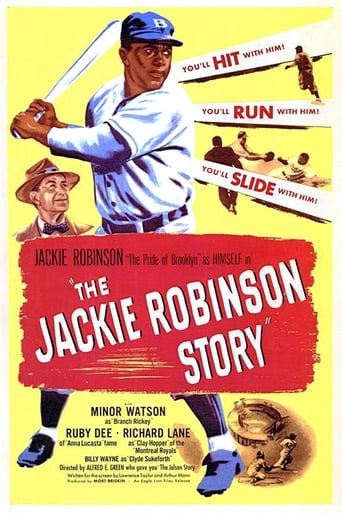
Headin' Home
"Headin' Home (1920)"
Keys: Space play/pause · ←/→ 10s · F fullscreen · M mute · </> speed
About this film
American silent biopic sports film directed by Lawrence C. Windom.
Cast & crew
More films like this
More Comedy films
View all →







More about this film
About the production
Release dateSeptember 19, 1920
Box officeThe film was moderately successful, capitalizing on Ruth's enormous popularity, though exact figures are not documented
ProductionKessel & Bailey Productions, Hannah Productions
Filmed inNew York City, New Jersey, Various baseball stadiums in the Northeast
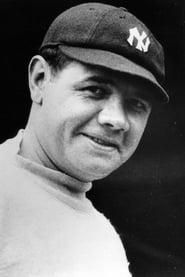
The film was rushed into production to capitalize on Babe Ruth's record-breaking 1919 season where he hit 29 home runs. Ruth was paid $25,000 for his role, a substantial sum at the time. The production faced challenges as Ruth had limited acting experience and often had to be coached through scenes. Many of the baseball sequences were filmed during actual games or practice sessions to capture authentic footage of Ruth playing.
Themes
The American DreamRise from humble originsThe price of fameIntegrity versus corruptionRomance and personal relationships
Themes & topics
Historical background
Made in 1920, Headin' Home reflects production norms of late silent cinema and the transition toward sound—shorter runtimes, regional audiences, and limited preservation infrastructure.
Why this film matters
Historians reference Headin' Home (1920) when discussing 1920 film by Lawrence Clement Windom.
Making of
The production of Headin' Home was a chaotic affair, reflecting Ruth's larger-than-life personality. Director Lawrence C. Windom struggled with Ruth's lack of acting experience and his tendency to improvise. The baseball star would often arrive on set after nights of carousing, requiring multiple takes for simple scenes. The filmmakers capitalized on Ruth's natural charisma by allowing him to be himself in many scenes, particularly the baseball sequences where his genuine enthusiasm shines through. The production team worked around Ruth's baseball schedule, filming during off-days and spring training. Many supporting actors were actual baseball players or semi-professionals to add authenticity to the sports sequences.
What critics said
Trade and revival screenings have kept Headin' Home (1920) on the map for collectors and scholars rather than mass first-run promotion.
Did you know?
- This was Babe Ruth's first motion picture appearance and one of the earliest films to feature a major sports star playing themselves
- Ruth was reportedly uncomfortable with the romantic scenes and had difficulty remembering his lines
- The film's plot was entirely fictional despite being marketed as Ruth's true story
- Only one copy of the complete film is known to exist today, held at the Library of Congress
- Ruth wore his actual Boston Red Sox uniform in many scenes, as the film was made before his famous trade to the Yankees
- The film's success led to Ruth making several more movies throughout the 1920s
- Many of the baseball action scenes were filmed during actual spring training games
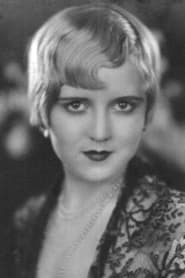
- Ruth's co-star Ruth Taylor was chosen because she reportedly resembled the type of girl Ruth liked in real life
- The film was originally titled 'The Babe Ruth Story' but was changed to 'Headin' Home' before release
- Contemporary newspapers reported that Ruth often showed up to set late or not at all due to his social life
Visual style
The cinematography by Philip R. Du Bois was typical of silent era productions but featured innovative techniques during the baseball sequences. The filmmakers used multiple cameras to capture the action from different angles, a relatively advanced technique for the time. The baseball scenes benefit from natural lighting and authentic stadium settings, giving them a documentary-like quality. The dramatic scenes employ standard close-ups and medium shots of the period, with occasional use of iris shots for emphasis. The visual style prioritizes clarity and readability over artistic experimentation, appropriate for a film meant to showcase its star's athletic prowess.
Innovations
While not groundbreaking technically, Headin' Home employed several noteworthy techniques for its time. The baseball action sequences utilized multiple camera setups to capture the dynamic movement of the game, allowing for more comprehensive coverage of Ruth's famous swing. The film also incorporated actual game footage, blending it seamlessly with staged scenes. The production team developed special camera mounts to film from unique angles during baseball sequences, providing viewers with perspectives they couldn't get from stadium seats. These techniques, while standard today, were innovative for capturing sports action in early cinema.
Music
As a silent film, Headin' Home featured no synchronized soundtrack but was accompanied by live musical performances during theatrical showings. The typical score would have included popular songs of the era, classical pieces, and specially composed mood music. Baseball sequences would have been accompanied by upbeat, march-like music, while romantic scenes featured slower, more melodic compositions. Theaters often used cue sheets provided by the production company, suggesting specific musical pieces for various scenes. Some larger theaters may have employed small orchestras, while smaller venues relied on piano accompaniment.
Famous quotes
I'll knock the cover off the ball!
Baseball was, is, and always will be to me the best game in the world
Every strike brings me closer to the next home run
I swing big, with everything I've got. I hit big or I miss big
It's hard to beat a person who never gives up
Memorable scenes
- The opening sandlot baseball game where young Ruth is discovered, showcasing his natural talent and powerful swing
- The climactic championship game sequence featuring Ruth's home run that wins the game
- The romantic scene where Ruth's character courts his love interest between baseball games
- The training montage showing Ruth's dedication to improving his skills
- The final scene where Ruth is carried off the field by adoring fans
What audiences thought
Audiences in 1920 flocked to see Headin' Home, primarily drawn by the opportunity to watch their baseball hero on screen. The film was particularly popular in cities with strong baseball traditions and among younger audiences who idolized Ruth. Many viewers enjoyed seeing Ruth's famous swing and home run power captured on film, even if the dramatic portions were less engaging. The movie's success at the box office demonstrated the commercial viability of sports celebrities in cinema and encouraged other studios to pursue similar projects with popular athletes of the era.
Film connections
Influenced by
- Contemporary sports journalism
- Popular biographical sketches of the era
- Silent era melodramas
- Earlier sports-themed short films
This film influenced
- The Babe Ruth Story (1948)
- The Pride of the Yankees (1942)
- Eight Men Out (1988)
- The Natural (1984)
- Field of Dreams (1989)
Film restoration
Headin' Home is considered a partially lost film, with only one complete copy known to exist at the Library of Congress. The surviving print is in relatively good condition for its age, though some deterioration is evident. The film has been preserved on safety film stock and has been screened at various film archives and classic film festivals. Some individual scenes and still photographs exist in private collections and film archives. The Library of Congress occasionally includes the film in their screenings of preserved American silent films.
Where to watch
- Library of Congress (on-site viewing by appointment)
- Occasional screenings at film archives and classic film festivals
- Some film societies and museums with access to archival prints
- Not commercially available on home video or streaming platforms due to its preservation status