Lawrence C. Windom
Director
Born: December 17, 1872 in New York City, New York, USA Died: September 23, 1950 Active: 1919-1924 Birth Name: Lawrence Charles Windom
Films
1 film
About Lawrence C. Windom
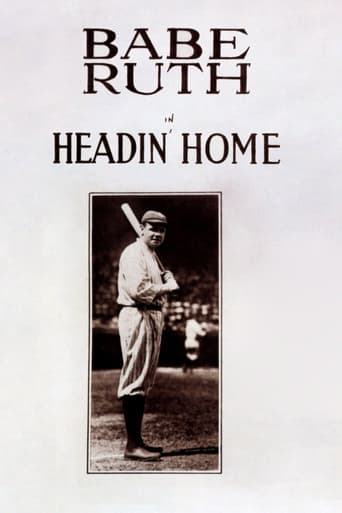
American film director active during the silent era, best known for directing Babe Ruth's screen debut in 'Headin' Home' (1920). Born in New York City in 1872, Windom entered the film industry in its formative years, bringing theatrical sensibilities to the emerging medium of cinema. His most significant contribution to film history was capturing the baseball legend's charismatic presence on screen in what would become a cultural touchstone of sports cinema. Beyond this notable project, Windom directed several other silent features throughout the early 1920s, though many have been lost to time. His directing style reflected the transitional period of cinema, blending stage techniques with the new visual language of film. Windom's career, while relatively brief, coincided with the golden age of silent cinema, and his work represents the era's experimentation with celebrity casting and genre development. After his directing career waned in the mid-1920s, he largely disappeared from the film industry, leaving behind a modest but historically significant body of work.
The Craft
Behind the Camera
Lawrence C. Windom's directing style reflected the transitional nature of early 1920s cinema, blending theatrical staging with emerging film techniques. His approach emphasized clear narrative storytelling and character-driven moments, particularly effective in capturing the natural charisma of non-professional actors like Babe Ruth. Windom demonstrated a keen understanding of visual composition within the constraints of silent film, using expressive gestures and dynamic framing to convey emotion and action. His work on 'Headin' Home' showed particular skill in adapting sports sequences to the cinematic medium, creating engaging visual spectacles that translated athletic prowess into compelling film entertainment.
Milestones
- Directed 'Headin' Home' (1920), Babe Ruth's film debut
- Pioneered sports-themed cinema during the silent era
- Worked with major studios including Selznick Pictures
- Transitioned from theater to film direction during cinema's formative years
- Contributed to early American feature film development
Best Known For
Must-See Films
Working Relationships
Worked Often With
Studios
Why They Matter
Impact on Culture
Lawrence C. Windom's most significant cultural impact came through his direction of 'Headin' Home,' which marked one of the earliest examples of a professional athlete successfully transitioning to film stardom. This film helped establish a template for sports entertainment that would influence countless future productions. Windom's work demonstrated the commercial potential of celebrity casting, a strategy that would become fundamental to Hollywood's marketing approach. His ability to capture Babe Ruth's authentic personality on screen created a blueprint for athlete-turned-actor films that persists in cinema today. Though his directorial career was brief, Windom contributed to the evolution of American cinema during its crucial formative years.
Lasting Legacy
Lawrence C. Windom's legacy rests primarily on his role in bringing Babe Ruth to the silver screen, creating a significant moment in both sports and film history. His work represents an important chapter in the development of sports cinema and celebrity culture in America. While many of his films have been lost to time, 'Headin' Home' remains a historical artifact that documents the intersection of two American cultural institutions: baseball and Hollywood. Windom's career exemplifies the transient nature of early Hollywood, where many talented filmmakers contributed to the medium's development without achieving lasting fame. His work continues to be studied by film historians interested in the silent era's approach to genre filmmaking and celebrity casting.
Who They Inspired
Windom's influence on cinema is primarily seen through his work in sports-themed entertainment and his successful integration of athletic celebrity into film narrative. His approach to directing non-professional actors like Babe Ruth provided a model for future filmmakers working with athletes and other celebrities outside the acting profession. The commercial success of 'Headin' Home' demonstrated to Hollywood studios the viability of sports films as a genre, encouraging further investment in similar productions. While not a widely recognized name in film history, Windom's work contributed to the development of cinematic techniques for portraying athletic action and capturing authentic star personalities on screen.
Off Screen
Lawrence C. Windom was born into a prominent New York family and spent his early years immersed in the city's theatrical culture before transitioning to the burgeoning film industry in California. He married and had children, though details about his family life remain relatively private. Windom's move to Los Angeles coincided with the film industry's migration westward, positioning him at the heart of early Hollywood development. After his film career diminished in the mid-1920s, he remained in California until his death in 1950, living through the dramatic evolution of cinema from silent films to the golden age of Hollywood.
Education
Information about formal education not publicly available, though likely educated in New York City with exposure to theatrical arts
Family
- Information not publicly available
Did You Know?
- Directed Babe Ruth's very first film appearance in 'Headin' Home' (1920)
- Born the same year as the first motion picture was patented (1872)
- His directing active years covered only about five years during the silent era
- 'Headin' Home' was one of the earliest films to feature a professional athlete as the star
- Many of Windom's films are now considered lost, a common fate for silent era productions
- Worked during the transition from short films to feature-length productions
- His film career ended just as sound was being introduced to cinema
- Lived to see television become the dominant home entertainment medium
- Was part of the generation of filmmakers who helped establish Hollywood as the film capital
- His real name was Lawrence Charles Windom, though he professionally used the initial 'C'
In Their Own Words
Working with Babe Ruth was like trying to direct a force of nature - you just pointed the camera and let the magic happen.
Frequently Asked Questions
Who was Lawrence C. Windom?
American on YTB.my. His active years covered the early 1920s, during which he directed several feature films before largely disappearing from the industry.
What films is Lawrence C. Windom best known for?
Titles linked here include Headin' Home (1920), The Great Reward (1921).
When was Lawrence C. Windom born and when did he die?
Born December 17, 1872; died September 23, 1950.
What awards did Lawrence C. Windom win?
There are no documented awards or major honors received by Lawrence C. Windom during his lifetime, which was not uncommon for directors of his era, particularly those with relatively brief careers.
What was Lawrence C. Windom's directing style?
Windom's directing style reflected the transitional nature of early 1920s cinema, blending theatrical staging with emerging film techniques. He emphasized clear narrative storytelling and was particularly effective at capturing the natural charisma of non-professional actors like Babe Ruth.
How did Lawrence C. Windom contribute to sports cinema?
Windom made a significant contribution to sports cinema by directing 'Headin' Home,' one of the earliest successful films to feature a professional athlete as the star. This film helped establish the template for sports entertainment and demonstrated the commercial potential of athlete-turned-actor films.
Why did Lawrence C. Windom's film career end so quickly?
While specific details are unclear, Windom's career ended around the same time sound was being introduced to cinema. Many silent era directors struggled with this transition, and his brief directing career may have been affected by these technological changes in the film industry.
Are any of Lawrence C. Windom's films available today?
Unfortunately, many of Windom's films are considered lost, a common fate for silent era productions. However, 'Headin' Home' (1920) survives as an important historical artifact documenting both his work and Babe Ruth's film debut.