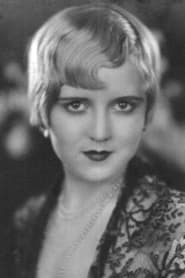
Ruth Taylor
Actor
Born: January 13, 1905 in Grand Rapids, Michigan, USA Died: April 12, 1984 Active: 1920-1929
Films
9 films
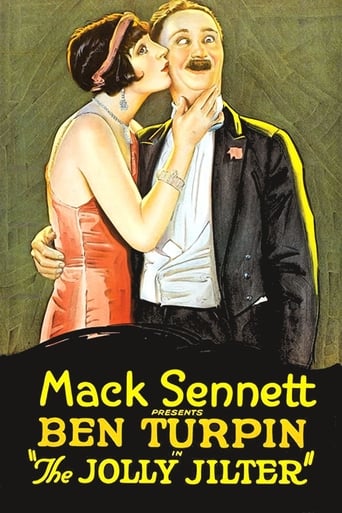

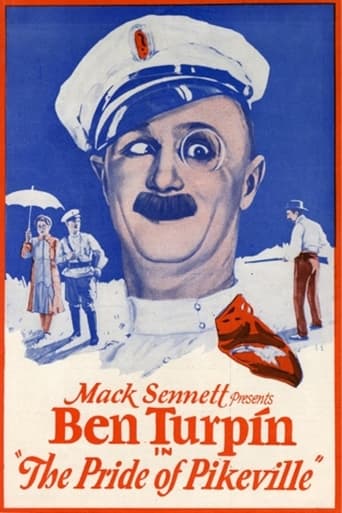
About Ruth Taylor
American silent film actress who rose to prominence in the mid-1920s after being discovered by a talent scout while working as a secretary in New York City. Born in Grand Rapids, Michigan, she moved to Hollywood and signed with Paramount Pictures in 1925, quickly establishing herself as a promising young actress known for her blonde beauty and comedic timing. Her breakthrough role came in 1928 when she was cast as Lorelei Lee in the silent adaptation of 'Gentlemen Prefer Blondes,' based on the popular novel by Anita Loos. This role would become her most famous performance, showcasing her ability to portray the gold-digging flapper character. Taylor made the transition to sound films with limited success, appearing in a few early talkies before retiring from acting in 1929 following her marriage to wealthy businessman Paul Zuckerman. Despite her relatively brief career spanning less than a decade, she left a memorable mark on silent cinema, particularly through her definitive portrayal of Lorelei Lee before Marilyn Monroe made the role famous in the 1953 musical adaptation.
The Craft
On Screen
Ruth Taylor was known for her vivacious comedic timing and ability to embody the flapper archetype of the 1920s. Her performances were characterized by expressive facial gestures and physical comedy that translated well to silent cinema. She had a natural charm and wit that made her particularly effective in romantic comedies and light-hearted dramas. Taylor's style was typical of the silent era's emphasis on visual storytelling, using her eyes and body language to convey emotion and humor.
Milestones
- Discovered by talent scout while working as secretary in New York
- Signed contract with Paramount Pictures in 1925
- Starred as Lorelei Lee in 'Gentlemen Prefer Blondes' (1928)
- Made successful transition to early sound films
- Retired from acting after marriage in 1929
Best Known For
Iconic Roles
Must-See Films
Accolades
Special Recognition
- Hollywood Walk of Fame star (Motion Pictures)
Working Relationships
Worked Often With
Studios
Why They Matter
Impact on Culture
Ruth Taylor's portrayal of Lorelei Lee in the 1928 silent version of 'Gentlemen Prefer Blondes' created the definitive screen interpretation of this iconic character before Marilyn Monroe's famous performance. Her embodiment of the clever, gold-digging blonde helped establish one of cinema's most enduring archetypes. Taylor's career represents the transition from silent to sound cinema, as she was one of many successful silent stars whose careers were cut short by the advent of talkies. Her decision to retire early rather than struggle with the new medium reflected the broader impact of technological change on Hollywood careers in the late 1920s.
Lasting Legacy
Ruth Taylor's legacy is primarily tied to her role as the original Lorelei Lee, a character that became a cultural touchstone representing the Jazz Age's liberated woman. Though her career was brief, she contributed to the development of the romantic comedy genre during the silent era. Her performance in 'Gentlemen Prefer Blondes' remains a significant example of 1920s cinema and provides valuable insight into how contemporary audiences interpreted Anita Loos's satirical novel. Taylor's story also serves as a reminder of the many talented actors whose careers were shaped and ultimately limited by the technological and cultural shifts of early Hollywood.
Who They Inspired
While Ruth Taylor's direct influence on subsequent generations of actors was limited by her early retirement, her portrayal of Lorelei Lee established character traits that would be emulated by actresses playing similar roles. Her work helped define the visual language of silent comedy and influenced how flapper characters were portrayed on screen. The success of 'Gentlemen Prefer Blondes' paved the way for future adaptations and demonstrated the commercial viability of female-led comedies in Hollywood.
Off Screen
Ruth Taylor married Paul Zuckerman, a wealthy businessman, in 1929, which led to her retirement from acting at the height of her career. The couple had one daughter, Judith, and remained married until Paul's death in 1978. After leaving Hollywood, Taylor lived a private life away from the entertainment industry, occasionally giving interviews about her silent film career. She spent her later years in Palm Springs, California, where she was remembered as one of the last surviving stars from the golden age of silent cinema.
Education
Attended public schools in Grand Rapids, Michigan; no formal acting training
Family
- Paul Zuckerman (1929-1978)
Did You Know?
- Was discovered by a Paramount talent scout while working as a secretary for $25 per week
- Beat out 100 other actresses for the role of Lorelei Lee in 'Gentlemen Prefer Blondes'
- Author Anita Loos personally approved Taylor for the role after seeing her screen test
- Her final film appearance was in the sound remake of 'Gentlemen Prefer Blondes' (1928) which featured both silent and sound versions
- Retired at age 24 after marrying her wealthy husband, never returning to acting
- Lived to see Marilyn Monroe star in the 1953 musical version of her most famous film
- Was one of the few silent stars who successfully made the transition to sound, despite retiring shortly after
- Her performance in 'Gentlemen Prefer Blondes' was considered so definitive that no other actress played the role on film until Marilyn Monroe 25 years later
- Received a star on the Hollywood Walk of Fame for her contributions to motion pictures
- Gave rare interviews in her later years, sharing insights about working in silent cinema
In Their Own Words
"I was just a secretary from Michigan who got lucky. Hollywood was a dream I never expected to live." - Interview in 1975
"Playing Lorelei Lee was the highlight of my life. Anita Loos created such a wonderful character, and I was honored to be the first to bring her to life on screen." - 1980 interview
"The transition to sound wasn't as difficult for me as for others, but I had already found my real life with Paul. Hollywood was a wonderful chapter, but I was ready for the next one." - 1978 reminiscence
Frequently Asked Questions
Who was Ruth Taylor?
American silent film actress best known for her role as Lorelei Lee in the 1928 film 'Gentlemen Prefer Blondes'. She was active in Hollywood from 1920 to 1929, appearing in numerous silent comedies and dramas before retiring from acting after her marriage.
What films is Ruth Taylor best known for?
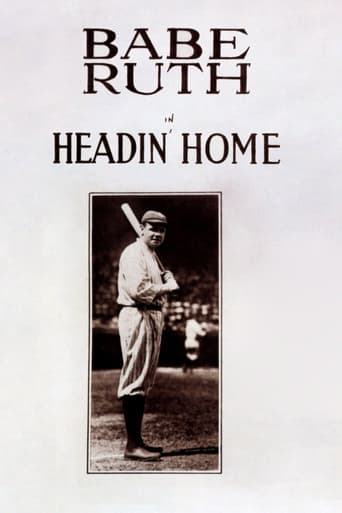
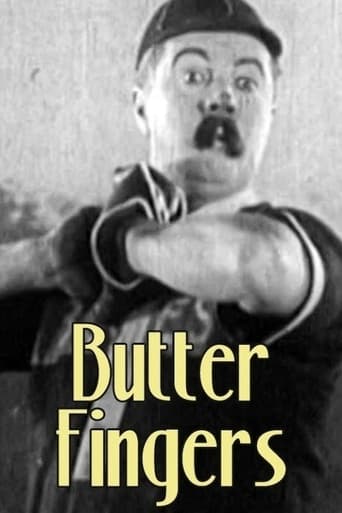
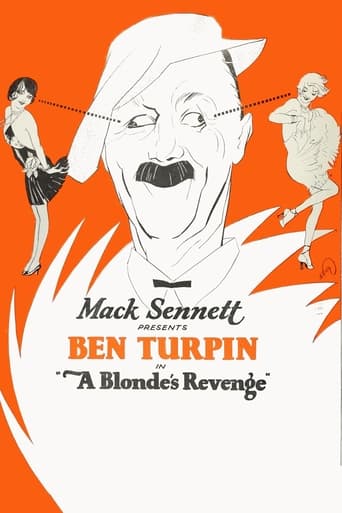
Titles linked here include Gentlemen Prefer Blondes (1928), The Girl from Everywhere (1927).
When was Ruth Taylor born and when did she die?
Born January 13, 1905; died April 12, 1984.
What awards did Ruth Taylor win?
While Ruth Taylor did not receive major acting awards during her career, she was honored with a star on the Hollywood Walk of Fame for her contributions to motion pictures, recognizing her impact on silent cinema.
What was Ruth Taylor's acting style?
Ruth Taylor was known for her comedic timing and expressive performances that were well-suited to silent cinema. She specialized in playing vivacious, clever characters, particularly embodying the flapper archetype of the 1920s with charm and wit.
Why did Ruth Taylor retire from acting so early?
Ruth Taylor retired from acting in 1929 at age 24 after marrying wealthy businessman Paul Zuckerman. She chose to focus on her marriage and family life rather than continue her film career, despite having successfully transitioned to sound films.
How is Ruth Taylor connected to Marilyn Monroe?
Ruth Taylor originated the role of Lorelei Lee in the 1928 silent version of 'Gentlemen Prefer Blondes,' a role that Marilyn Monroe would make famous 25 years later in the 1953 musical adaptation. Taylor was the definitive screen Lorelei before Monroe's iconic interpretation.