Babe Ruth
Actor
Born: February 6, 1895 in Baltimore, Maryland, USA Died: August 16, 1948 Active: 1920-1928 Birth Name: George Herman Ruth Jr.
Films
2 films
About Babe Ruth
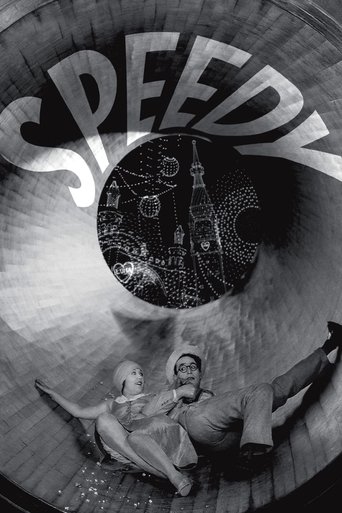
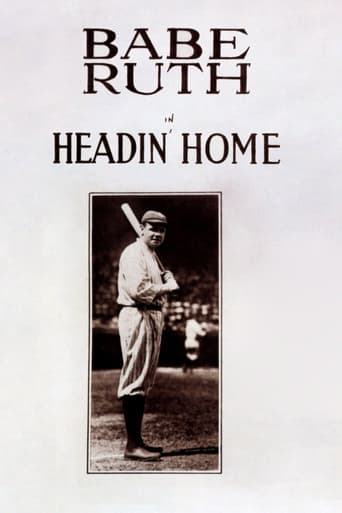
George Herman 'Babe' Ruth Jr. Was athletes of the 20th century who successfully transitioned his massive popularity into a brief but notable film career during the silent era. Born in Baltimore, Maryland, Ruth first gained fame as a baseball player for the Boston Red Sox and New York Yankees, becoming a cultural icon whose name was synonymous with American excellence and showmanship. His natural charisma and larger-than-life personality made him an attractive prospect for Hollywood studios seeking to capitalize on his celebrity status. Ruth's film career began with 'Headin' Home' in 1920, a semi-autobiographical silent film that capitalized on his baseball fame and allowed him to play a fictionalized version of himself. He later appeared in Harold Lloyd's classic comedy 'Speedy' (1928), where his cameo appearance demonstrated his ability to translate his athletic fame into cinematic appeal. While his film career was brief and secondary to his baseball achievements, Ruth's appearances in these films represented the growing trend of sports celebrities crossing over into entertainment media during the 1920s. His natural, untrained acting style and genuine enthusiasm for the camera made his performances authentic and engaging for audiences who already adored him from the baseball diamond.
The Craft
On Screen
Natural and untrained, Ruth brought his genuine personality and athletic charisma to his film roles. His acting was characterized by an authentic, enthusiastic approach that resonated with audiences who already knew and loved him from baseball. He relied heavily on his natural charm, broad gestures, and the same showmanship that made him famous on the baseball field, creating a persona that was both larger-than-life and genuinely approachable.
Milestones
- Starred in the semi-autobiographical film 'Headin' Home' (1920)
- Made memorable cameo appearance in Harold Lloyd's 'Speedy' (1928)
- One of the first major sports celebrities to successfully cross over into film
- Appeared in numerous short subjects and newsreels during the 1920s
- Became
Best Known For
Iconic Roles
Must-See Films
Accolades
Special Recognition
- Inducted into the Baseball Hall of Fame (1936)
- Named to Major League Baseball's All-Century Team (1999)
- Ranked #3 on ESPN's SportsCentury list of greatest athletes of the 20th century
- The Babe Ruth Award established in his honor by the Baseball Writers' Association of America
Working Relationships
Worked Often With
Studios
Why They Matter
Impact on Culture
Babe Ruth's impact on cinema was significant as one of the first major sports celebrities to successfully bridge the gap between athletics and entertainment. His film appearances helped establish the template for how athletes could leverage their fame in Hollywood, paving the way for future sports stars to pursue acting careers. Ruth's presence in films like 'Headin' Home' and 'Speedy' demonstrated the growing power of celebrity culture in 1920s America, where fame in one field could translate directly to success in another. His natural charisma and unpretentious acting style made him relatable to audiences, while his larger-than-life persona embodied the exuberant spirit of the Roaring Twenties. Ruth's film career, though brief, contributed to the transformation of American celebrity culture and helped establish the cross-pollination between sports and entertainment that continues to this day.
Lasting Legacy
Babe Ruth's legacy in cinema, while secondary to his monumental baseball achievements, represents an important chapter in the history of celebrity culture and sports entertainment. His successful transition from athletic hero to film star demonstrated the expanding definition of American celebrity in the early 20th century. Ruth's film appearances have become valuable historical artifacts that capture not only his personal charisma but also the cultural zeitgeist of the 1920s. His influence can be seen in the countless athletes who have followed his path from sports to entertainment, from Johnny Weissmuller to Shaquille O'Neal. The preservation of his films continues to provide insight into how celebrity culture evolved in America and how sports figures helped shape the entertainment industry.
Who They Inspired
Ruth influenced the entertainment industry by proving that athletic fame could translate directly to box office success, establishing a blueprint for future athlete-actors. His natural, untrained acting style showed that authenticity and personality could sometimes overcome technical acting deficiencies, influencing how studios would cast celebrities in subsequent decades. His success helped normalize the idea of cross-platform celebrity, where fame in one field could be leveraged for success in another, a concept that has become fundamental to modern entertainment industry economics.
Off Screen
Babe Ruth's personal life was as colorful and dramatic as his public persona. He married Helen Woodford in 1914, and they adopted a daughter, Dorothy, before separating in the 1920s. After Helen's death in a house fire in 1929, Ruth married Claire Merritt Hodgson in 1929, adopting her daughter Julia. Despite his wild reputation for drinking, womanizing, and lavish spending, Ruth was also known for his generosity, particularly toward children and charitable causes. His larger-than-life lifestyle and personal struggles only added to his mystique and public appeal.
Education
Attended St. Mary's Industrial School for Boys, a Catholic reform school and orphanage in Baltimore where he learned to play baseball
Family
- Helen Woodford (1914-1929)
- Claire Merritt Hodgson (1929-1948)
Did You Know?
- 'Headin' Home' was actually filmed in 1919 but released in 1920, making it Ruth's film debut
- Ruth earned $25,000 for 'Headin' Home', more than his baseball salary at the time
- He appeared in over 10 short films and newsreels during the 1920s
- His cameo in 'Speedy' was uncredited but highly recognizable to audiences
- Ruth was one of the first celebrities to have his own line of merchandise, including candy bars and breakfast cereal
- His film career coincided with his peak baseball years, when he was the most famous athlete in America
- Ruth's natural acting ability surprised many critics who expected a wooden performance
- His films often featured actual baseball footage, blending documentary and narrative elements
- Ruth's celebrity status was so immense that theaters would advertise 'Babe Ruth in Person' for his film appearances
- His film career ended as the silent era gave way to talkies, partially due to his distinctive voice and accent
In Their Own Words
I've heard people say that the trouble with the world is that we haven't enough good leaders. I think we haven't enough good followers.
The way a team plays as a whole determines its success. You may have the greatest bunch of individual stars in the world, but if they don't play together, the club won't be worth a dime.
Every strike brings me closer to the next home run.
It's hard to beat a person who never gives up.
Heroes get remembered, but legends never die.
Frequently Asked Questions
Who was Babe Ruth?
Legendary baseball player who became one of America's first major sports celebrities to successfully cross over into film during the silent era. While primarily known for revolutionizing baseball with his home run hitting, he also appeared in several films including 'Headin' Home' (1920) and 'Speedy' (1928), bringing his natural charisma and athletic fame to the silver screen.
What films is Babe Ruth best known for?
Titles linked here include Headin' Home (1920), Speedy (1928).
When was Babe Ruth born and when did he die?
Born February 6, 1895; died August 16, 1948.
What awards did Babe Ruth win?
While Ruth didn't receive traditional film awards, his contributions were recognized through his 1936 induction into the Baseball Hall of Fame as part of its inaugural class. He was also named to Major League Baseball's All-Century Team and ranked among the greatest athletes of the 20th century by various sports organizations.
What was Babe Ruth's acting style?
Ruth's acting style was natural and untrained, characterized by his genuine enthusiasm, broad gestures, and the same showmanship that made him famous on the baseball field. He relied on his authentic personality and charisma rather than technical acting skills, creating performances that felt genuine and relatable to audiences who already admired him.