Films
2 films
About William J. Gross
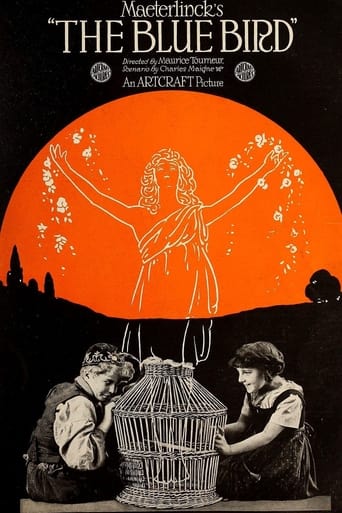
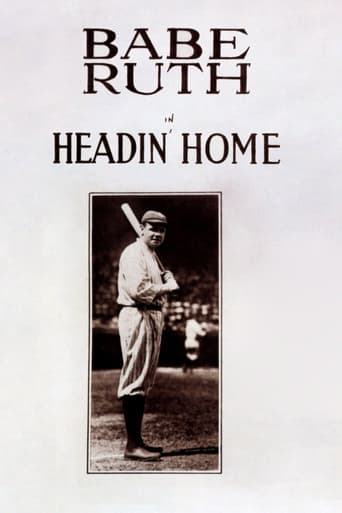
Silent film actor who had a brief but notable career during the transitional period of American cinema in the late 1910s and early 1920s. His most significant screen appearance was in Maurice Tourneur's acclaimed 1918 fantasy film 'The Blue Bird,' an ambitious adaptation of Maurice Maeterlinck's play that showcased the artistic possibilities of cinema. In 1920, Gross appeared in 'Headin' Home,' a baseball comedy that marked the film debut of baseball player Babe Ruth, placing Gross at the intersection of sports and entertainment history. Like many character actors of the silent era, Gross likely played supporting roles that contributed to the ensemble storytelling typical of the period. His career appears to have been concentrated in the years immediately following World War I, a time when the film industry was rapidly expanding and professionalizing. Unfortunately, like many performers from this era, detailed records of his life and career are scarce, reflecting the transient nature of early Hollywood and the loss of many studio archives over time.
The Craft
On Screen
As a silent era actor, William J. Gross would have employed the exaggerated gestures and expressive facial techniques characteristic of the period, where actors needed to convey emotion and story without dialogue. Silent film acting required precise physical control and the ability to communicate complex emotions through body language, making it a highly specialized craft that differed significantly from later acting styles.
Milestones
- Appeared in Maurice Tourneur's artistic fantasy 'The Blue Bird' (1918)
- Participated in Babe Ruth's film debut 'Headin' Home' (1920)
- Worked during the golden age of silent cinema
- Contributed to early American film history
Best Known For
Iconic Roles
Must-See Films
Working Relationships
Worked Often With
Why They Matter
Impact on Culture
William J. Gross's contribution to cinema, while modest in scale, represents the collective effort of countless supporting actors who helped establish the foundation of American film during its formative years. His participation in 'The Blue Bird' places him within the context of early artistic cinema, while his appearance in 'Headin' Home' connects him to the emerging celebrity culture that would define Hollywood in subsequent decades. These films, though featuring Gross in minor capacities, have become historical artifacts that document the evolution of American entertainment and the intersection of sports and celebrity in popular culture.
Lasting Legacy
William J. Gross's legacy is preserved through his contributions to two historically significant films from the silent era. 'The Blue Bird' remains an important example of early fantasy cinema and artistic ambition in American film, while 'Headin' Home' serves as a valuable document of Babe Ruth's transition from sports icon to cultural phenomenon. Though Gross himself did not achieve lasting fame, his work as part of these productions contributes to our understanding of the collaborative nature of early filmmaking and the many unsung artists who helped create cinema's most enduring works.
Who They Inspired
As a supporting actor with a brief filmography, William J. Gross's direct influence on subsequent generations of performers is difficult to trace. However, his participation in films during cinema's developmental years places him among the generation of actors who helped establish the conventions and techniques that would later be refined and built upon by future film artists. His work exemplifies the ensemble nature of silent filmmaking, where every performer, regardless of screen time, contributed to the overall artistic vision.
Off Screen
Very little is documented about William J. Gross's personal life, which is typical for many supporting actors from the silent era who did not achieve major stardom. Like many actors of his generation, he likely worked during a period when film acting was not yet considered a prestigious profession, and personal details were not widely recorded or preserved in studio archives.
Did You Know?
- 'The Blue Bird' (1918) was considered lost for decades but was later rediscovered and preserved, allowing modern audiences to see Gross's work
- The film 'The Blue Bird' was an early example of fantasy cinema and was praised for its innovative visual effects and artistic direction
- In 'Headin' Home' (1920), Gross appeared alongside Babe Ruth in the baseball legend's first film role
- The Blue Bird was directed by Maurice Tourneur,
- Both films Gross appeared in were produced during the transition period when American cinema was establishing itself as a dominant cultural force
- Silent film actors like Gross had to undergo specialized training to master the expressive techniques required for non-verbal performance
- The preservation of 'The Blue Bird' was particularly significant as many silent films have been lost to time and neglect
Frequently Asked Questions
Who was William J. Gross?
Silent film with credits in this catalog. He was a supporting actor during the golden age of silent cinema, though detailed records of his life and career are limited.
What films is William J. Gross best known for?
Titles linked here include The Blue Bird (1918), Headin' Home (1920).
When was William J. Gross born and when did he die?
Unfortunately, specific birth and death dates for William J. Gross are not available in historical records, which is common for many supporting actors from the silent era who did not achieve major stardom.
What awards did William J. Gross win?
There are no records of William J. Gross receiving major awards or nominations, which was typical for supporting actors during the early film industry before the establishment of comprehensive award systems.
What was William J. Gross's acting style?
As a silent era actor, Gross would have employed the exaggerated physical gestures and expressive facial techniques characteristic of the period, where actors needed to convey emotion and story without dialogue through precise body language.
Why is William J. Gross significant in film history?
While not a major star, Gross is significant as a representative of the many supporting actors who helped establish American cinema during its formative years, particularly through his participation in historically important films like 'The Blue Bird' and 'Headin' Home'.