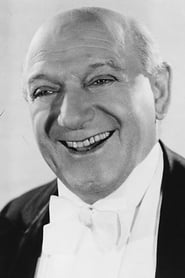
Joseph Cawthorn
Actor
Born: March 29, 1868 in New York City, New York, USA Died: January 21, 1949 Active: 1914-1942
Films
3 films

About Joseph Cawthorn
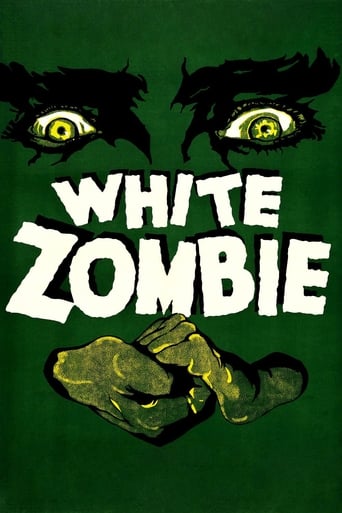
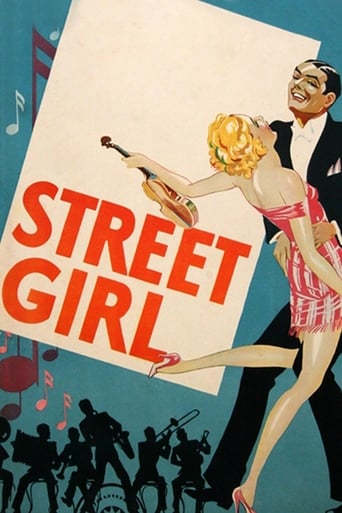
Character actor: from the vaudeville stage through the golden age of early Hollywood cinema. Born in New York City, he began his entertainment career in theater and vaudeville before transitioning to silent films in the 1910s. Cawthorn successfully made the leap to talkies, where his distinctive appearance and versatile acting style made him a valuable supporting player throughout the 1920s and 1930s. Joseph appears in over 200 films during his career, often playing eccentric characters, comic relief roles, or authority figures with a quirky edge. His most memorable performances include roles in 'Street Girl' (1929), 'Dixiana' (1930), and the horror classic 'White Zombie' (1932) opposite Bela Lugosi. Cawthorn continued acting steadily through the 1930s, appearing in numerous films for major studios before his career began to wind down in the early 1940s. He passed away in 1949, leaving behind a legacy as one of Hollywood's most reliable and recognizable character actors during the transition from silent to sound cinema.
The Craft
On Screen
Cawthorn was known for his distinctive character portrayals, often playing eccentric or comical figures with a memorable presence. His acting style combined theatrical training from his vaudeville background with the more naturalistic demands of film, making him particularly effective in early sound films where expressive character work was essential. He had a knack for playing both comic and slightly sinister characters, using his unique facial features and expressive eyes to create memorable supporting roles.
Milestones
- Transitioned successfully from vaudeville to silent films
- Made the successful leap to talkies during the sound revolution
- Appeared in over 200 films during his career
- Memorable supporting role in the horror classic 'White Zombie' (1932)
- Worked consistently through the Great Depression as a reliable character actor
- Appeared in early musical films like 'Street Girl' and 'Dixiana'
Best Known For
Iconic Roles
Must-See Films
Accolades
Special Recognition
- Hollywood Walk of Fame star (6263 Hollywood Blvd)
Working Relationships
Worked Often With
Studios
Why They Matter
Impact on Culture
Joseph Cawthorn contributed significantly to the development of character acting in early Hollywood, particularly during the crucial transition from silent to sound films. His ability to adapt his theatrical skills to the new medium of talkies helped establish the template for supporting character actors in sound cinema. His work in early horror films, especially 'White Zombie,' contributed to the visual and performance vocabulary of the horror genre during its formative years. Cawthorn's career demonstrates how vaudeville-trained performers successfully transitioned to film, bringing with them a wealth of performance techniques that enriched early cinema.
Lasting Legacy
Joseph Cawthorn's legacy lies in his substantial body of work as one of Hollywood's most prolific character actors during the first half of the 20th century. With over 200 film appearances, he represents the backbone of early Hollywood - the reliable supporting players who brought depth and interest to countless productions. His performance in 'White Zombie' remains particularly significant as one of the earliest examples of horror film character acting, influencing subsequent generations of genre performers. His career shows the importance of character actors in creating the classic Hollywood cinema.
Who They Inspired
Cawthorn influenced subsequent generations of character actors through his demonstration of how to create memorable supporting roles that enhanced rather than overshadowed the main story. His ability to balance comedy with subtle menace in roles like Dr. Bruner in 'White Zombie' provided a template for future horror film character actors. His successful transition from stage to film showed other performers how theatrical techniques could be adapted for the camera, particularly in early sound films where expressive performance was crucial.
Off Screen
Joseph Cawthorn was married to actress Ethel Clayton, with whom he often appeared on stage and in films. Their marriage lasted from 1916 until his death in 1949. The couple had no children together. Cawthorn was known as a dedicated professional who maintained a steady career through the volatile early years of Hollywood. He was respected by his colleagues for his reliability and versatility as a character actor.
Family
- Ethel Clayton (1916-1949)
Did You Know?
- Began his career in vaudeville at the age of 16
- Was already in his 40s when he began appearing in films
- Appeared in both silent and sound films, making a successful transition
- His wife Ethel Clayton was also a prominent actress of the era
- Often played characters much older than his actual age
- Worked with horror icon Bela Lugosi in 'White Zombie'
- Appeared in over 200 films during his 28-year film career
- His distinctive appearance made him easily recognizable to audiences
- Was one of the few actors from the vaudeville era to maintain steady film work through the 1930s
- Received a star on the Hollywood Walk of Fame for his contributions to film
In Their Own Words
The secret to longevity in pictures is to be useful to the director and not trouble the stars.
Frequently Asked Questions
Who was Joseph Cawthorn?
Screen credits include over 200 films during the early decades of Hollywood, successfully transitioning from vaudeville to silent films and then to talkies. He was known for his distinctive appearance and versatile supporting roles in films like 'White Zombie' (1932) and numerous musicals and comedies throughout the 1920s and 1930s.
What films is Joseph Cawthorn best known for?
Titles linked here include White Zombie (1932), Street Girl (1929).
When was Joseph Cawthorn born and when did he die?
Born March 29, 1868; died January 21, 1949.
What awards did Joseph Cawthorn win?
While Joseph Cawthorn did not receive major acting awards during his career, he was honored with a star on the Hollywood Walk of Fame at 6263 Hollywood Blvd for his significant contributions to American cinema. His legacy lies in his extensive body of work rather than formal awards.
What was Joseph Cawthorn's acting style?
Joseph Cawthorn's acting style combined his vaudeville theatrical training with film techniques, making him particularly effective in early sound films. He was known for playing eccentric characters, often using his distinctive features and expressive eyes to create memorable supporting roles that balanced comedy with subtle menace when needed.