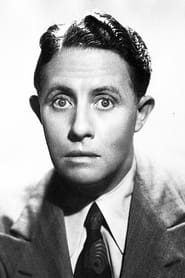
Bert Wheeler
Actor
Born: April 7, 1895 in Paterson, New Jersey, USA Died: January 18, 1968 Active: 1915-1965 Birth Name: Albert Jerome Wheeler
Films
5 films


About Bert Wheeler
Beloved American comedian and actor who rose to fame as one half of the comedy duo Wheeler & Woolsey during the early sound era of Hollywood. Born in 1895, Wheeler began his career in vaudeville before teaming up with Robert Woolsey in 1927, creating a partnership that would become successful comedy teams of the 1930s. Their films, characterized by rapid-fire dialogue, slapstick humor, and risqué innuendos, were immensely popular during the Great Depression era. Wheeler typically played the more romantic, straight-man character while still delivering his share of comedic moments, often playing the handsome lead who would get the girl. After Woolsey's death in 1938, Wheeler attempted a solo career with limited success, appearing in a few films and returning to his vaudeville roots. He continued performing in nightclubs and on television through the 1950s and 1960s, maintaining his status as a beloved comedy figure until his death in 1968. His contributions to early sound comedy helped establish many of the tropes and techniques that would influence future generations of comedy performers.
The Craft
On Screen
Wheeler specialized in a sophisticated yet accessible comedy style that blended romantic leading man qualities with sharp comedic timing. As the straight man in the Wheeler & Woolsey duo, he mastered the art of reacting to his partner's zany antics while maintaining his own comedic presence through subtle expressions and perfectly timed double takes. His style incorporated elements of both verbal wit and physical comedy, with a particular talent for delivering risqué innuendos that slipped past the censors of the era. Wheeler's performances were characterized by his smooth delivery, charming screen presence, and ability to seamlessly transition from romantic lead to comedic foil within the same scene.
Milestones
- Formed comedy duo Wheeler & Woolsey in 1927
- Starred in 21 films for RKO Pictures from 1929-1937
- Headlined popular Broadway shows before film career
- Appeared on early television variety shows in the 1950s
- Performed in vaudeville circuits for over 20 years
Best Known For
Iconic Roles
Must-See Films
Accolades
Won
- Star on Hollywood Walk of Fame (1960)
Special Recognition
- Hollywood Walk of Fame Star at 6357 Hollywood Boulevard
- Inducted into the Comedy Hall of Fame (posthumously)
- RKO Pictures' highest-grossing comedy star (1930s)
Working Relationships
Worked Often With
Studios
Why They Matter
Impact on Culture
Bert Wheeler, as part of Wheeler & Woolsey, significantly shaped the landscape of early sound comedy in Hollywood, helping establish the template for comedy duos that would follow. Their films provided much-needed escapism during the Great Depression, offering audiences a blend of sophisticated wordplay and slapstick humor that appealed to both urban and rural audiences. The duo's success demonstrated the commercial viability of comedy films in the new sound era, paving the way for future comedy teams like Abbott and Costello and Martin and Lewis. Wheeler's particular style of combining romantic leading man qualities with comedic timing influenced generations of performers who sought to balance humor with heart in their performances.
Lasting Legacy
Bert Wheeler's legacy endures through the preservation of Wheeler & Woolsey films, which continue to be celebrated by classic comedy enthusiasts and film historians. The duo's work represents a crucial bridge between silent film comedy and the more sophisticated verbal humor that would dominate later decades. Wheeler's contribution to the comedy genre is recognized in film studies courses and comedy history books, where he is often cited excelled in the straight-man role. His ability to maintain comedic chemistry with his partner while developing his own distinct persona set a standard for comedy partnerships that remains influential today. The revival of their films on home video and streaming platforms has introduced their work to new audiences, ensuring that Wheeler's contributions to early Hollywood comedy are not forgotten.
Who They Inspired
Wheeler's approach to comedy as the more restrained half of a duo influenced numerous future comedy teams, including the dynamic seen in partnerships like Burns and Allen and Lucy and Desi. His technique of using subtle reactions and timing to enhance his partner's broader comedy became a textbook example of straight-man performance. Contemporary comedians have cited Wheeler & Woolsey's films as early influences on their understanding of comedic pacing and dialogue delivery. The duo's success in transitioning from vaudeville to film provided a blueprint for other stage performers seeking to break into Hollywood during the sound era.
Off Screen
Bert Wheeler was married four times throughout his life, with his marriages often attracting public attention due to his celebrity status. His first marriage to Margaret Graff lasted from 1916 to 1922 and produced one child. He married his second wife, Olive Thompson, in 1923, but the marriage ended in divorce in 1930. His third marriage to Patti O'Brien in 1931 lasted until her death in 1946. Wheeler's final marriage was to Olga James in 1947, which lasted until his death in 1968. Despite the ups and downs of his personal relationships, Wheeler maintained a reputation as a kind and generous colleague in the entertainment industry. He was known for his professionalism on set and his willingness to help younger performers in the business.
Education
Attended public schools in Paterson, New Jersey; left school early to pursue vaudeville career
Family
- Margaret Graff (1916-1922)
- Olive Thompson (1923-1930)
- Patti O'Brien (1931-1946)
- Olga James (1947-1968)
Did You Know?
- Wheeler & Woolsey were the highest-paid comedy duo in Hollywood during the early 1930s
- Their film 'Diplomaniacs' (1933) was banned in several countries due to its political satire
- Wheeler — skilled dancer and incorporated dance numbers into many of his films
- The duo's films often featured risqué humor that pushed the boundaries of the Hays Code
- Wheeler served in the U.S. Army during World War I
- He was an accomplished musician who could play multiple instruments
- Wheeler & Woolsey made more films together than Laurel and Hardy did during their peak years
- Their final film together 'On Again-Off Again' (1937) was released shortly before Woolsey's death
- Wheeler attempted a Broadway comeback in 1942 with the show 'The Cat and the Fiddle'
- He appeared as a mystery guest on the TV show 'What's My Line?' in 1956
In Their Own Words
Comedy is serious business. You have to work harder at being funny than at anything else in the world.
Bob (Woolsey) was the crazy one, but I was the one who had to make it all make sense to the audience.
We weren't trying to be dirty, we were trying to be funny. Sometimes the audience laughed at things we didn't even know were funny.
Frequently Asked Questions
Who was Bert Wheeler?
American comedian and with credits in this catalog. He was known for his sophisticated humor, romantic leading man qualities, and perfect comedic timing in over 20 films made primarily for RKO Pictures.
What films is Bert Wheeler best known for?
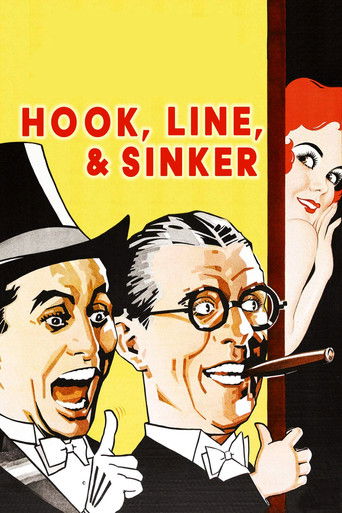
Titles linked here include Hook, Line and Sinker (1930), Dixiana (1930).
When was Bert Wheeler born and when did he die?
Born April 7, 1895; died January 18, 1968.
What awards did Bert Wheeler win?
Bert Wheeler received a star on the Hollywood Walk of Fame in 1960, located at 6357 Hollywood Boulevard. While he didn't receive major industry awards during his lifetime, he has been posthumously inducted into the Comedy Hall of Fame and recognized as one of the comedy duos of early sound cinema.
What was Bert Wheeler's acting style?
Wheeler specialized in playing the straight man with romantic leading man qualities, using subtle expressions, perfect timing, and sophisticated wordplay. His style balanced restraint with comedic moments, often delivering risqué innuendos with a charming demeanor that helped push comedy boundaries during the restrictive Hays Code era.