
Films
1 film
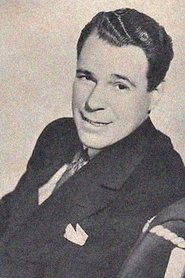
About Everett Marshall
Everett Marshall is credited on a single production — Dixiana (1930). His career was notably brief, spanning only the year 1930, with his sole documented film appearance being in the musical comedy-drama 'Dixiana.' This film was produced by Radio Pictures and represented one of the early attempts to blend traditional musical elements with the new sound technology that was revolutionizing cinema. Marshall's role in 'Dixiana' placed him among the supporting cast during a pivotal moment in film history when studios were experimenting with sound production techniques. Like many actors of this era, Marshall's career may have been affected by the massive industry changes as studios restructured their talent rosters to accommodate the technical and artistic demands of sound cinema. Unfortunately, detailed documentation about his life and career is scarce, which was common for many supporting actors who had brief appearances during this transitional period in Hollywood history.
The Craft
Milestones
- Appeared in 'Dixiana' (1930) during the early sound era
- Part of Radio Pictures' roster during the transitional period to talkies
Best Known For
Must-See Films
Working Relationships
Studios
Why They Matter
Impact on Culture
Everett Marshall represents the many actors who participated in Hollywood's transition from silent films to talkies during the late 1920s and early 1930s. His appearance in 'Dixiana' places him within the historical context of early sound cinema, when studios were rapidly adapting to new technologies and changing audience expectations. While his individual contribution may have been modest, he was part of the broader cultural shift that fundamentally transformed the film industry and established the foundation for modern cinema. The scarcity of information about actors like Marshall also highlights how many performers from this era have been lost to film history, serving as a reminder of the thousands of individuals who contributed to cinema's development but whose stories remain largely untold.
Lasting Legacy
Everett Marshall's legacy is primarily historical, representing the countless supporting actors who populated early sound films but whose careers were brief and largely undocumented. His appearance in 'Dixiana' ensures his place in film history, however minor, as a participant in. While he did not achieve lasting fame or recognition, his contribution to the film shows the collaborative nature of filmmaking and the many unsung performers who helped establish the foundations of Hollywood's Golden Age. The limited documentation of his career also underscores the importance of film preservation and historical research in ensuring that even minor contributors to cinema's development are remembered.
Who They Inspired
Given his brief career and limited filmography, there is no documented evidence of Everett Marshall's direct influence on other actors or filmmakers. However, like many actors of his era, he contributed to the development of early sound cinema techniques and performance styles that would influence subsequent generations of performers.
Off Screen
Very limited information is available about Everett Marshall's personal life, which was typical for many supporting actors from the early sound era who had brief film careers and did not achieve lasting fame.
Did You Know?
- Everett Marshall's entire known film career consists of a single film appearance in 1930
- He should not be confused with Everett Marshall (1906-1952), the American opera singer who was more famous and well-documented
- 'Dixiana' was one of the early films to successfully integrate musical numbers with dramatic storytelling in the sound era
- Radio Pictures, the studio that produced 'Dixiana', would later become RKO Pictures
- The film 'Dixiana' starred Bebe Daniels, who was a major star transitioning from silent films to talkies
- Many actors with brief careers like Marshall's were often stage actors who tried film during the early sound era but returned to theater
- The year 1930 was a particularly challenging time for many actors as studios were still determining which performers had voices suitable for sound films
Frequently Asked Questions
Who was Everett Marshall?
American with credits in this catalog.' His career was notably brief, spanning only a single year, and he represents the many supporting actors who participated in cinema's transition from silent films to talkies.
What films is Everett Marshall best known for?
Titles linked here include Dixiana (1930).
When was Everett Marshall born and when did he die?
Unfortunately, specific birth and death dates for Everett Marshall are not documented in available historical records, which is common for many supporting actors from the early sound era who had brief film careers.
What awards did Everett Marshall win?
There are no records of Everett Marshall receiving any major awards or nominations during his brief acting career, which was typical for most supporting actors during the early sound era.
What was Everett Marshall's acting style?
Specific details about Everett Marshall's acting style are not documented in available sources. As an actor from the early sound era, he would have been working during a transitional period when performance techniques were adapting to the new requirements of sound cinema.
Was Everett Marshall related to the opera singer of the same name?
No, Everett Marshall the actor should not be confused with Everett Marshall (1906-1952), the American opera singer who achieved significant fame and is much better documented in historical records.
Why is there so little information about Everett Marshall?
The scarcity of information about Everett Marshall is typical for many supporting actors from the early sound era who had brief careers. During this transitional period, many actors appeared in only a few films before leaving the industry, and comprehensive records were not always maintained for performers who did not achieve lasting fame.