Robert Woolsey
Actor
Born: August 31, 1888 in Oakland, California, USA Died: October 31, 1938 Active: 1929-1938 Birth Name: Robert Rolla Woolsey
Films
5 films


About Robert Woolsey
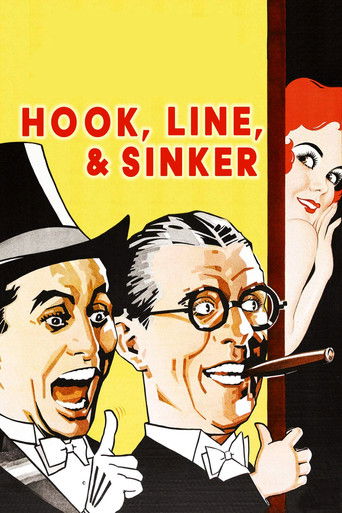
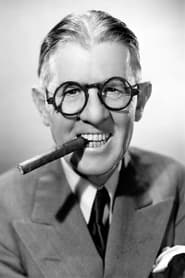
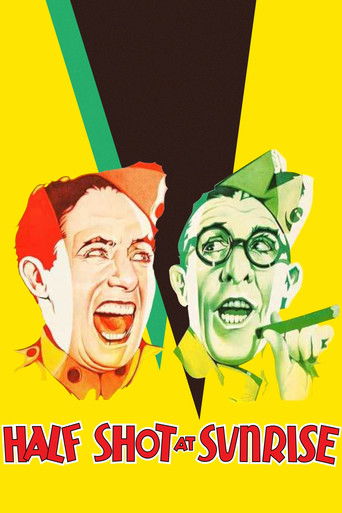
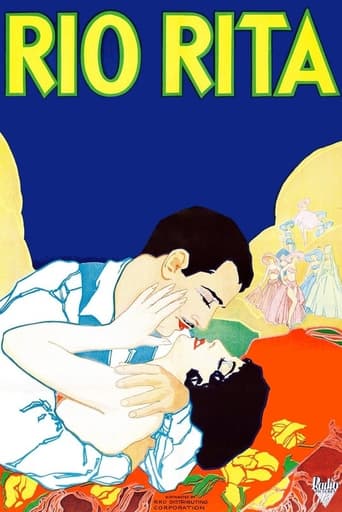
Robert Rolla Woolsey — American comedian and actor who rose to fame as one half of the popular comedy duo Wheeler & Woolsey during the early sound era. Born in Oakland, California in 1888, Woolsey began his career in vaudeville before teaming up with Bert Wheeler in the late 1920s. The pair made their film debut in RKO's Rio Rita (1929) and quickly became the studio's most valuable comedy team throughout the early 1930s. Woolsey typically portrayed the more sophisticated, fast-talking member of the duo, often sporting a distinctive mustache and delivering rapid-fire patter that complemented Wheeler's more naive character. Their films like 'Dixiana' (1930), 'Hook, Line and Sinker' (1930), and 'Half Shot at Sunrise' (1930) showcased their unique blend of verbal wit and physical comedy. Woolsey's career was tragically cut short when he died of kidney disease on October 31, 1938, at just 50 years old, leaving Wheeler to continue as a solo performer. Despite their relatively brief run, Wheeler & Woolsey on early sound comedy, influencing countless comedians who followed.
The Craft
On Screen
Woolsey was known for his rapid-fire delivery, sophisticated wordplay, and deadpan expression. He often played the worldly-wise, cynical member of the comedy team, delivering witty asides and double entendres that pushed the boundaries of the Production Code. His distinctive mustache and sharp timing became his trademarks, and he excelled at both verbal comedy and physical slapstick, creating a perfect contrast with Wheeler's more innocent character.
Milestones
- Formation of comedy duo Wheeler & Woolsey in 1928
- Film debut in Rio Rita (1929)
- Starred in 21 films with RKO Pictures from 1929-1937
- Became one of the highest-paid comedy teams in Hollywood by 1932
- Final film 'High Flyers' (1937) released before his death
Best Known For
Iconic Roles
Must-See Films
Accolades
Special Recognition
- Star on the Hollywood Walk of Fame (shared with Bert Wheeler) at 1735 Vine Street
Working Relationships
Worked Often With
Studios
Why They Matter
Impact on Culture
Wheeler & Woolsey were pioneers of early sound comedy, successfully transitioning from vaudeville to film during a critical period in cinema history. Their films were among the most popular of the early 1930s, rivaling even the Marx Brothers in box office success. The duo's sophisticated wordplay and risqué humor pushed the boundaries of what was acceptable under the emerging Production Code, influencing how comedy could navigate censorship. Their rapid-fire dialogue style and contrasting personalities established a template later followed by countless comedy teams. Woolsey's deadpan delivery and timing influenced generations of comedians, from Jack Benny to modern comedy actors.
Lasting Legacy
Robert Woolsey's legacy as half of Wheeler & Woolsey endures as proof of early sound comedy innovation. Despite their films being largely overlooked for decades, there has been renewed appreciation for their work through film preservation societies and classic film channels. The duo's 21 films represent some of the most daring and sophisticated comedy of their era, with Woolsey's clever wordplay and timing standing as a masterclass in comedic delivery. Their influence can be seen in subsequent comedy teams, particularly in the dynamic between a fast-talking wise guy and a more innocent partner. Woolsey's premature death at the height of their popularity left audiences wondering what further comedic heights the team might have reached.
Who They Inspired
Woolsey's rapid-fire delivery and sophisticated wordplay directly influenced later comedians including Jack Benny, George Burns, and even modern performers like Jerry Seinfeld in terms of timing and wit. The Wheeler & Woolsey formula of contrasting personalities became a staple of comedy teams, directly influencing Abbott and Costello and Martin and Lewis. Their ability to blend verbal comedy with physical slapstick while navigating censorship set precedents for comedy in Hollywood's Golden Age. Many comedy historians cite Woolsey's deadpan style as an early example of the 'smart aleck' archetype that would become central to American comedy.
Off Screen
Robert Woolsey was married three times during his lifetime. His first marriage was to vaudeville performer Mildred DeWitt, which ended in divorce. He later married Susan Hughes, and his final marriage was to Winonah H. Woolsey, who survived him. Woolsey had no children. He was known for his sophisticated tastes off-screen, enjoying fine dining and classical music, which contrasted with his comedic persona. His health began declining in the mid-1930s due to kidney problems, though he continued working until shortly before his death.
Education
Limited formal education; primarily trained in vaudeville and theater circuits
Family
- Mildred DeWitt (1913-1920)
- Susan Hughes (1925-1930)
- Winonah H. Woolsey (1936-1938)
Did You Know?
- Woolsey originally trained as a pharmacist before turning to entertainment
- He and Wheeler were the highest-paid comedy team in Hollywood by 1932
- Their films were often more risqué than other comedies of the era, pushing Production Code boundaries
- Woolsey's distinctive mustache became his trademark and was rarely seen without it in films
- The duo's popularity waned after the strict enforcement of the Production Code in 1934
- Woolsey suffered from kidney disease for several years before his death
- He was known for his extensive vocabulary and love of wordplay off-screen
- Their film 'Dixiana' was originally conceived as a musical but many musical numbers were cut
- Woolsey — accomplished amateur photographer in his spare time
- Despite their on-screen chemistry, Woolsey and Wheeler were reportedly not close friends off-screen
In Their Own Words
I've got a million of 'em, and they're all bad!
frequent line in films)
Why don't you get a haircut? You look like a haystack that's been struck by lightning.
from 'Half Shot at Sunrise')
I never met a man I didn't like. Until I met you.
typical Woolsey wisecrack)
If brains were dynamite, you couldn't blow your nose.
classic insult style)
Frequently Asked Questions
Who was Robert Woolsey?
American comedian and with credits in this catalog. He was known for his rapid-fire delivery, sophisticated wordplay, and distinctive mustache, typically playing the cynical, fast-talking member of the comedy team.
What films is Robert Woolsey best known for?
When was Robert Woolsey born and when did he die?
Born August 31, 1888; died October 31, 1938.
What awards did Robert Woolsey win?
While Robert Woolsey did not receive any major acting awards during his lifetime, he and Bert Wheeler were honored with a shared star on the Hollywood Walk of Fame at 1735 Vine Street, recognizing their significant contributions to film comedy.
What was Robert Woolsey's acting style?
Woolsey's acting style was characterized by rapid-fire delivery, sophisticated wordplay, and deadpan expression. He excelled at verbal comedy, double entendres, and witty banter, often playing the worldly-wise, cynical member of the comedy team who delivered clever asides and sharp retorts.
How did Robert Woolsey impact early cinema?
Woolsey, as part of Wheeler & Woolsey, helped define early sound comedy by successfully transitioning vaudeville humor to film. Their sophisticated wordplay and risqué humor pushed boundaries during the formative years of the Production Code, influencing how comedy could navigate censorship while entertaining audiences.
Why did Wheeler & Woolsey's partnership end?
The partnership ended primarily due to Woolsey's declining health and eventual death from kidney disease in 1938. Additionally, their popularity had waned after the strict enforcement of the Production Code in 1934, which limited their ability to use the risqué humor that had made them famous.