Clyde Cook
Actor
Born: December 16, 1891 in Port Macquarie, New South Wales, Australia Died: August 13, 1984 Active: 1919-1943 Birth Name: Clyde William Cook
Films
11 films
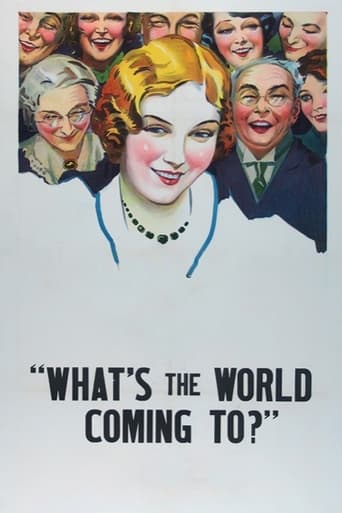
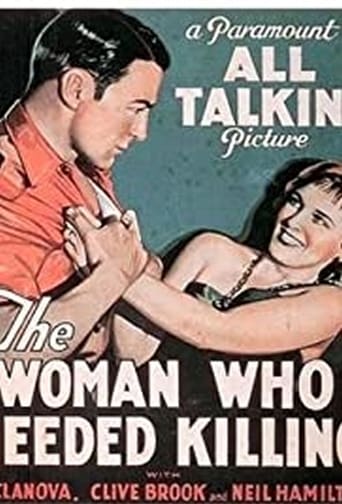
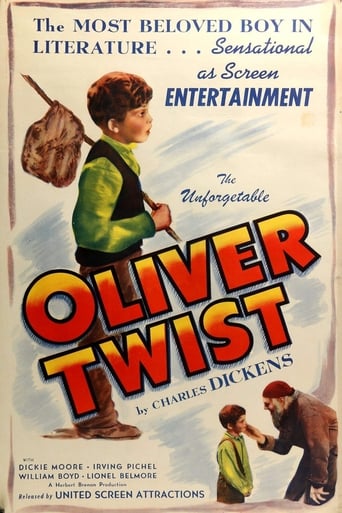
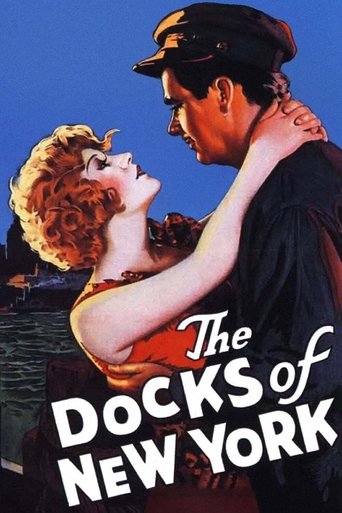


About Clyde Cook
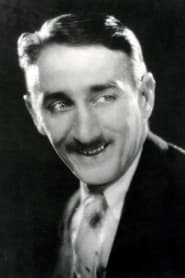
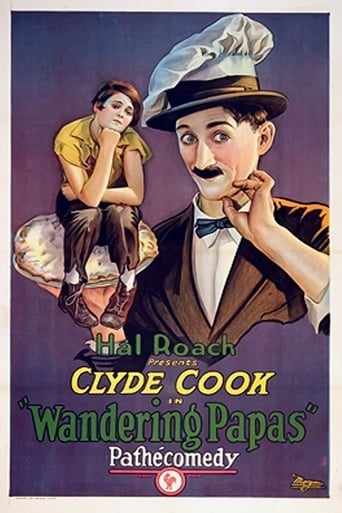
Australian-born American actor who became a prominent figure in Hollywood's silent film era, earning the nickname 'The Kangaroo Comedian' due to his energetic, hopping style of physical comedy. He began his entertainment career in Australian vaudeville before migrating to the United States in the early 1920s, where he quickly found work in the burgeoning film industry. Cook signed with Hal Roach Studios and became a reliable supporting player and occasional lead in comedy shorts, often appearing alongside stars like Harold Lloyd, Charley Chase, and Snub Pollard. His distinctive appearance, complete with a toothy grin and expressive eyes, made him instantly recognizable to audiences of the era. Cook successfully transitioned to sound films in the late 1920s, though his roles gradually diminished in size and frequency throughout the 1930s. He continued working in smaller character parts until his retirement from acting in the early 1940s, after which he largely disappeared from public life. Despite never achieving the status of Chaplin or Keaton, Cook's contributions to silent comedy represent an important part of Hollywood's early comedic landscape.
The Craft
On Screen
Cook was known for his exuberant physical comedy style, characterized by energetic movements, pratfalls, and his signature hopping motions that earned him the nickname 'The Kangaroo Comedian.' His comedic approach relied heavily on visual gags, exaggerated facial expressions, and acrobatic stunts rather than dialogue. Cook possessed remarkable flexibility and timing, allowing him to execute complex physical routines with precision. His style was less subtle than some of his contemporaries, favoring broad, boisterous comedy that played well in the silent medium. In sound films, he adapted by incorporating his Australian accent into his characterizations, often playing eccentric or slightly dim-witted supporting roles.
Milestones
- Signed with Hal Roach Studios in 1923, becoming a regular in their comedy productions
- Starred in the successful short film series 'The Cyclone' (1924)
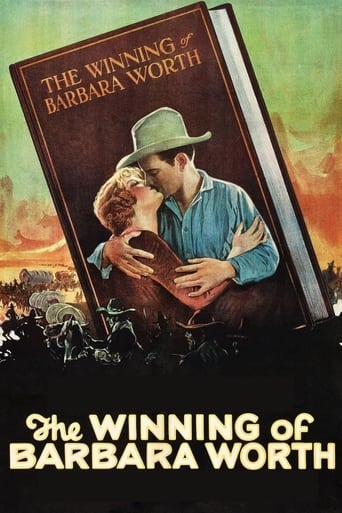
- Appeared in the major feature film 'The Winning of Barbara Worth' (1926)
- Successfully transitioned from silent films to talkies in the late 1920s
- Worked with comedy legends Harold Lloyd and Charley Chase
- Appeared in over 150 films during his career
Best Known For
Iconic Roles
Must-See Films
Accolades
Special Recognition
- Star on the Hollywood Walk of Fame (for contributions to motion pictures)
Working Relationships
Worked Often With
Studios
Why They Matter
Impact on Culture
Clyde Cook represents an important, though often overlooked, figure in the transition from vaudeville to silent film comedy. His success as an Australian actor in Hollywood helped pave the way for other international performers in American cinema. Cook's 'Kangaroo Comedian' persona contributed to the silent era comedy archetypes, demonstrating how physical comedy could transcend cultural and language barriers. His work with Hal Roach Studios contributed to the development of the studio's signature comedy style that would later launch stars like Laurel and Hardy. Cook's ability to transition from shorts to features, and from silent to sound films, exemplified the adaptability required of actors during Hollywood's rapid technological evolution in the 1920s and 1930s.
Lasting Legacy
While not as widely remembered as some of his contemporaries, Clyde Cook's legacy endures through the preservation of his films in silent cinema archives and revival screenings. His over 150 film appearances provide valuable documentation of silent era comedy techniques and styles. Cook's career serves as a case study in the challenges faced by character actors during Hollywood's transition to sound, where distinctive accents and physical comedy styles could either become assets or liabilities. His Hollywood Walk of Fame star ensures his contributions to American cinema are formally recognized. Film historians and silent film enthusiasts continue to study Cook's work as an example of the diverse comedic talent that populated Hollywood during its golden age.
Who They Inspired
Cook's energetic physical comedy style influenced later generations of comedians who incorporated acrobatic elements into their performances. His successful transition from Australian vaudeville to Hollywood demonstrated the international nature of early cinema and inspired other performers from abroad to seek opportunities in American films. Cook's work with Hal Roach contributed to the development of the studio's comedy formula that would influence countless future comedy productions. His ability to adapt his comedic style from silent films to talkies provided a model for other actors facing similar technological transitions in the industry.
Off Screen
Clyde Cook married actress and fellow Australian performer Violet M. Romaine in 1925, and the couple remained together until her death in 1966. They had no children. Cook became a naturalized American citizen in 1928, demonstrating his commitment to his adopted country. After retiring from films, he lived a relatively private life in Southern California, occasionally appearing at film nostalgia events and silent film revival screenings. In his later years, Cook suffered from declining health but maintained his characteristic humor until the end. He spent his final years in a nursing home in Moorpark, California, where he passed away at the age of 92.
Education
Limited formal education; trained in Australian vaudeville theaters and performance schools
Family
- Violet M. Romaine (1925-1966)
Did You Know?
- Earned the nickname 'The Kangaroo Comedian' due to his hopping and jumping style of physical comedy
- Began his career performing in Australian circuses and vaudeville shows as a teenager
- Stood only 5'6" tall but used his compact build to his advantage in acrobatic comedy routines
- Was one of the few Australian actors to achieve significant success in Hollywood during the silent era
- Appeared in both Harold Lloyd's 'The Freshman' (1925) and Buster Keaton's 'The General' (1926) in minor roles
- His distinctive gap-toothed smile became one of his most recognizable features
- Continued performing well into his 70s, appearing in television commercials in the 1960s
- Was a skilled horseman and often performed his own stunts involving horses in Western comedies
- Spoke with a thick Australian accent that became more prominent in his sound film roles
- Lived to be 92 years old, outlasting most of his silent era contemporaries
In Their Own Words
In silent pictures, your feet had to do as much talking as your face. I talked with both!
Coming from Australia to Hollywood was like jumping from the bush into a jungle, but I learned to swing with the best of them.
Physical comedy is like dancing - you need rhythm, timing, and the willingness to look completely foolish for a laugh.
Frequently Asked Questions
Who was Clyde Cook?
Australian-born American with credits in this catalog. Known as 'The Kangaroo Comedian' for his energetic, hopping style of physical comedy, he appeared in over 150 films between 1919 and 1943, primarily working with Hal Roach Studios and appearing alongside comedy legends like Harold Lloyd and Charley Chase.
What films is Clyde Cook best known for?
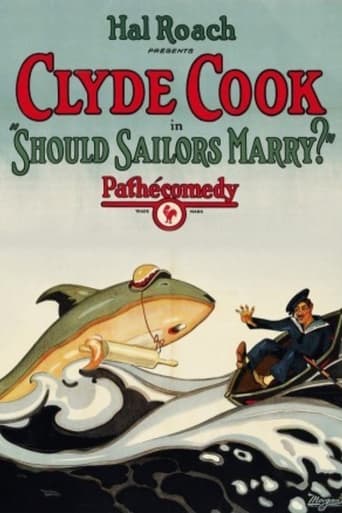
Titles linked here include Should Sailors Marry? (1925), Starvation Blues (1925).
When was Clyde Cook born and when did he die?
Born December 16, 1891; died August 13, 1984.
What awards did Clyde Cook win?
While Clyde Cook did not receive major film awards during his career, he was honored with a star on the Hollywood Walk of Fame for his contributions to motion pictures. His legacy is primarily preserved through the continued appreciation of his films by silent cinema enthusiasts and film historians.
What was Clyde Cook's acting style?
Cook's acting style was characterized by exuberant physical comedy featuring energetic movements, pratfalls, and his signature hopping motions. He relied heavily on visual gags, exaggerated facial expressions, and acrobatic stunts rather than dialogue. His broad, boisterous comedy style was perfectly suited to silent films, though he successfully adapted to talkies by incorporating his Australian accent into his characterizations.
Why was Clyde Cook called 'The Kangaroo Comedian'?
Cook earned the nickname 'The Kangaroo Comedian' due to his distinctive style of physical comedy that incorporated hopping and jumping movements reminiscent of a kangaroo. This energetic performance style, combined with his Australian origins, made the nickname a natural fit and became his trademark throughout his career.