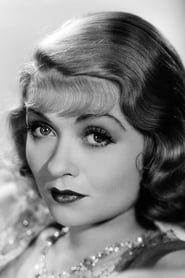
Constance Bennett
Actor
Born: October 22, 1904 in New York City, New York, USA Died: July 6, 1965 Active: 1916-1965 Birth Name: Constance Campbell Bennett
Films
6 films

About Constance Bennett
American actress who rose to prominence during the silent film era and successfully transitioned into sound pictures, becoming one of Hollywood's most sophisticated and bankable stars of the 1930s. Born into the famous Bennett acting family, she began her career as a child performer and made her film debut in the early 1920s, quickly establishing herself as a talented leading lady. Bennett's breakthrough came with her role in 'The Goose Woman' (1925), where she demonstrated remarkable dramatic range. Unlike many silent stars, she made a seamless transition to talkies, starring in popular films like 'Sin Takes a Holiday' (1930) which cemented her status as a top box office draw. Throughout the 1930s, she became known for her portrayal of elegant, witty, and independent female characters, often playing sophisticated socialites or career women. Bennett was also a savvy businesswoman, becoming one of the first actresses to form her own production company, Constance Bennett Productions. Her over three decades, during which she appeared in more than 60 films before transitioning to television in the 1950s and maintaining her status as a beloved Hollywood icon until her death in 1965.
The Craft
On Screen
Constance Bennett was known for her sophisticated, witty, and elegant screen presence, specializing in portraying independent, intelligent women with sharp comedic timing. Her acting style combined naturalistic delivery with the polished grace expected of Hollywood's elite, making her particularly effective in screwball comedies and romantic dramas. Unlike many of her contemporaries, Bennett possessed a distinctive speaking voice that was perfect for sound films, allowing her to deliver rapid-fire dialogue with precision and charm. She excelled at playing characters who were both glamorous and relatable, often portraying career women or socialites who challenged traditional gender roles. Her performances were marked by a subtle blend of sophistication and vulnerability, allowing her to navigate seamlessly between comedy and drama.
Milestones
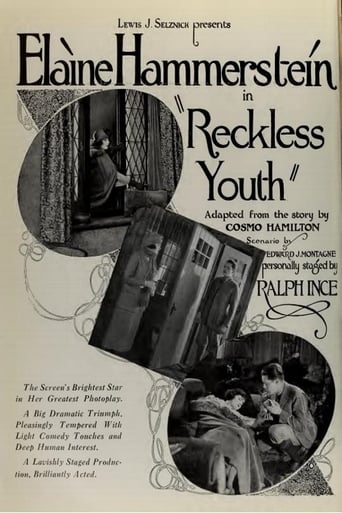
- Film debut in 'Reckless Youth' (1922)
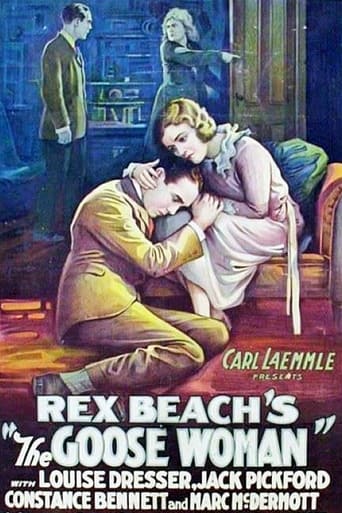
- Breakthrough role in 'The Goose Woman' (1925)
- Successful transition to talkies with 'Sin Takes a Holiday' (1930)
- Formed Constance Bennett Productions in 1931
- Became one of Hollywood's highest-paid actresses in the 1930s
- Starred in the hit 'Topper' series (1937-1941)
- Received Academy Award nomination for 'What Price Hollywood?' (1932)
Best Known For
Iconic Roles
Must-See Films
Accolades
Won
- Photoplay Award for Most Popular Actress (1931)
- Venice Film Festival Volpi Cup (1934)
Nominated
- Academy Award nomination for Best Actress - 'What Price Hollywood?' (1932)
Special Recognition
- Hollywood Walk of Fame star at 6250 Hollywood Boulevard
- One of the highest-paid actresses in Hollywood (1930s)
Working Relationships
Worked Often With
Studios
Why They Matter
Impact on Culture
Constance Bennett significantly influenced Hollywood's portrayal of independent women during the 1930s, helping establish the archetype of the sophisticated, career-oriented female character who could be both glamorous and self-sufficient. As one of the first actresses to form her own production company, she paved the way for greater female agency in the film industry. Her successful transition from silent films to talkies demonstrated the importance of vocal talent and adaptability in the new sound era. Bennett's fashion sense and elegant style made her a trendsetter, influencing women's fashion and beauty standards throughout the 1930s. Her roles often challenged traditional gender norms, presenting women who were intelligent, witty, and in control of their destinies.
Lasting Legacy
Constance Bennett's legacy endures as a figure in Hollywood who combined artistic talent with business savvy and independence. She is remembered as. The 'Topper' films in which she starred remain beloved classics of supernatural comedy, showcasing her enduring appeal. Her career serves as an example of how an actress could maintain relevance across multiple decades and adapt to the changing landscape of Hollywood. Bennett's influence can be seen in later actresses who sought greater creative control and business independence in their careers.
Who They Inspired
Constance Bennett influenced subsequent generations of actresses through her demonstration that women could be both glamorous and intelligent on screen, and successful businesswomen off screen. Her ability to transition from silent films to talkies inspired other performers to develop their vocal skills and adaptability. The sophisticated, independent characters she portrayed helped expand the range of roles available to women in Hollywood, moving beyond the stereotypical damsel in distress. Her success with her own production company inspired later actresses like Mary Pickford and Bette Davis to seek greater control over their careers. Bennett's blend of comedy and dramatic skill influenced the development of the screwball comedy genre and the archetype of the witty, sophisticated heroine.
Off Screen
Constance Bennett led a glamorous and often tumultuous personal life, marked by five marriages and high-profile relationships. She was known for her business acumen and independence, unusual for women of her era. Bennett maintained close relationships with her famous acting sisters, Joan and Barbara Bennett, though they sometimes competed for roles. She was also known for her philanthropic work, particularly during World War II, when she entertained troops and supported war efforts. Despite her public success, she faced personal challenges, including the tragic suicide of her daughter Marilyn in 1976, years after Bennett's own death.
Education
Educated at St. Mary's Hall in New Jersey and Miss Porter's School in Farmington, Connecticut
Family
- Chester Hirst Moore (1921-1925)
- Philip Plant (1931-1932)
- Henri de la Falaise (1932-1940)
- Gilbert Roland (1941-1946)
- John Theron Coulter (1946-1965)
Did You Know?
- She was the highest-paid actress in Hollywood in 1931, earning $250,000 per year
- She formed her own production company in 1931, making her one of the first female producers in Hollywood
- She was a licensed pilot and flew her own airplane
- During WWII, she was a lieutenant in the Army Air Forces and entertained troops
- She appeared in over 60 films throughout her career
- She was one of the first actresses to successfully transition from silent films to talkies
- Her sister Joan Bennett was also a famous actress, and they sometimes competed for the same roles
- She was a close friend of fellow actress Carole Lombard
- She was known for her extensive collection of jewelry and furs
- She was a savvy real estate investor and owned several properties in Beverly Hills
In Their Own Words
I never wanted to be a star. I just wanted to be an actress and make a living at it.
Hollywood is a place where they'll pay you a thousand dollars for a kiss and fifty cents for your soul.
The only way to survive in this business is to be yourself, but better.
I've always believed that if you're going to be a success, you have to look like one.
In the movies, you can be anyone. In real life, you have to be yourself, and that's much harder.
Frequently Asked Questions
Who was Constance Bennett?
Prominent American actress during the silent era and Golden Age of Hollywood, known for her sophisticated screen presence and successful transition from silent films to talkies. She was one of the highest-paid actresses of the 1930s and appeared in over 60 films throughout her career.
What films is Constance Bennett best known for?
Titles linked here include What Price Hollywood? (1932), Topper (1937).
When was Constance Bennett born and when did she die?
Born October 22, 1904; died July 6, 1965.
What awards did Constance Bennett win?
Constance Bennett received an Academy Award nomination for Best Actress for 'What Price Hollywood?' (1932), won the Photoplay Award for Most Popular Actress in 1931, and received the Venice Film Festival Volpi Cup in 1934. She also has a star on the Hollywood Walk of Fame.
What was Constance Bennett's acting style?
Bennett was known for her sophisticated, witty, and elegant screen presence, specializing in independent female characters with sharp comedic timing. She excelled at playing sophisticated socialites and career women, combining naturalistic delivery with polished grace, making her particularly effective in screwball comedies and romantic dramas.
Was Constance Bennett related to other famous actors?
Yes, Constance Bennett came from the famous Bennett acting family. Her sisters Joan Bennett and Barbara Bennett were also actresses, and their mother Adrienne Morrison was a stage actress. The Bennett sisters were among Hollywood's most prominent acting families of the 1930s.
Did Constance Bennett have her own production company?
Yes, Constance Bennett formed her own production company, Constance Bennett Productions, in 1931, making her one of the first female producers in Hollywood. This was groundbreaking for the time and demonstrated her business acumen and desire for creative control over her projects.