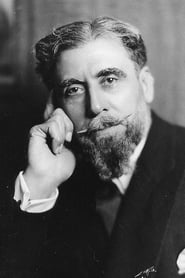
Eric Mayne
Actor
Born: December 18, 1865 in Dublin, Ireland Died: January 9, 1952 Active: 1914-1942
Films
8 films
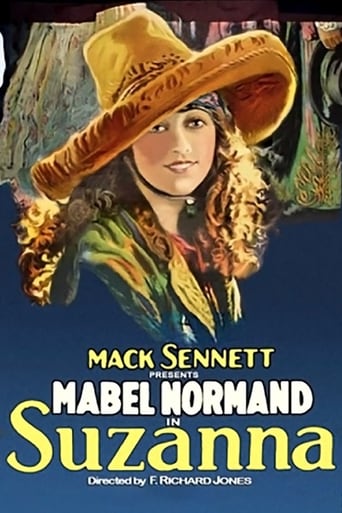
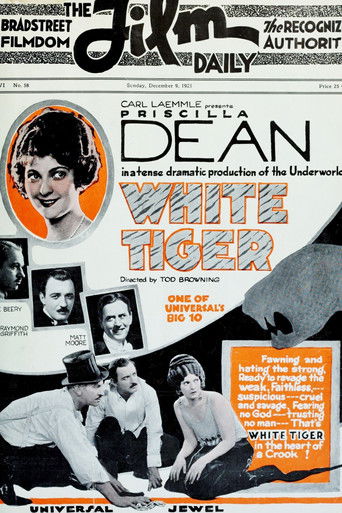
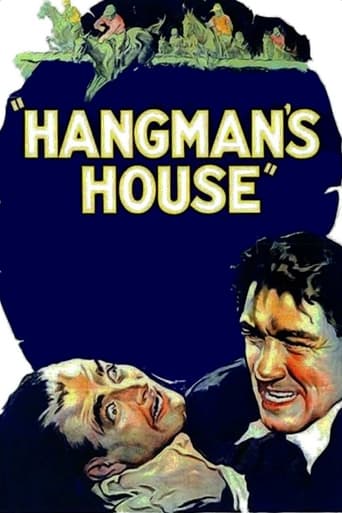
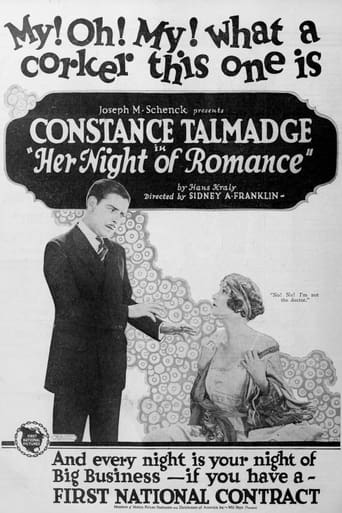
About Eric Mayne
character actor of the silent era and early sound period — known for his commanding presence and authoritative roles. Born in Dublin, Ireland, he began his acting career on the stage before transitioning to films in the mid-1910s. Mayne quickly established himself as a reliable character actor, frequently cast as judges, doctors, aristocrats, and other figures of authority due to his dignified bearing and refined appearance. He worked prolifically throughout the 1920s, appearing in numerous productions for major studios including Universal, Paramount, and Fox Films. Mayne successfully made the transition to sound films, though his roles became smaller as the industry evolved. He continued acting through the 1930s and into the early 1940s, accumulating over 100 film credits throughout his career. His last screen appearance was in 1942, after which he retired from acting. Mayne passed away in Los Angeles in 1952 at the age of 86, leaving behind a legacy as one of the silent era's most recognizable character actors.
The Craft
On Screen
Mayne was known for his dignified, theatrical acting style that emphasized subtle gestures and facial expressions. His stage background contributed to his commanding screen presence and ability to convey authority through minimal movement. He employed a refined, understated technique that was well-suited to the silent medium, using his expressive eyes and controlled body language to convey complex emotions. His performances were characterized by a certain gravitas and sophistication that made him ideal for roles requiring dignity and respectability.
Milestones
- Transitioned from stage to silent films in 1914
- Appeared in over 100 films throughout his career
- Successfully transitioned from silent to sound films
- Frequently cast in authoritative roles
- Worked with major studios including Universal, Paramount, and Fox
Best Known For
Iconic Roles
Must-See Films
Working Relationships
Worked Often With
Studios
Why They Matter
Impact on Culture
Eric Mayne contributed significantly to the silent film era as. His consistent portrayals of authority figures helped establish archetypes that would influence how such characters were depicted in cinema for decades. Mayne's ability to convey dignity and authority through silent performance techniques demonstrated the power of non-verbal acting in storytelling. His work in major productions like 'The Phantom of the Opera' and 'The Hunchback of Notre Dame' helped create the atmospheric and dramatic foundations of the horror genre in cinema. As a successful immigrant actor, he also represented the diverse talent that built Hollywood during its formative years.
Lasting Legacy
Eric Mayne's legacy endures through his extensive body of work in silent and early sound cinema. With over 100 film credits, he represents the backbone of Hollywood's golden age - the reliable character actors who brought depth and authenticity to supporting roles. His performances continue to be studied by film scholars and appreciated by silent film enthusiasts for their technical mastery and emotional resonance. Mayne's successful transition from stage to film and from silent to sound cinema exemplifies the adaptability required of actors during this revolutionary period in entertainment history. His filmography serves as a valuable record of the evolution of acting techniques and cinematic storytelling during the early 20th century.
Who They Inspired
While Eric Mayne was not typically a leading man, his consistent and professional approach to character acting influenced generations of supporting performers who followed. His ability to establish character quickly and effectively through minimal means provided a template for efficient character development in film. Mayne's work in major productions alongside stars like Lon Chaney helped establish the importance of strong supporting performances in creating memorable cinema. His dignified portrayal of authority figures helped shape audience expectations and industry standards for how such characters should be presented on screen. His career longevity and adaptability during the transition from silent to sound films demonstrated the importance of versatility for actors in the rapidly changing film industry.
Off Screen
Private individual who kept his personal life largely out of the public eye. He immigrated from Ireland to the United States, eventually settling in Hollywood where he built his film career. Despite his extensive filmography, he maintained a relatively low profile off-screen. He was married and had children, though specific details about his family life remain limited in historical records. Mayne was respected by his colleagues for his professionalism and dedication to his craft. He spent his later years in Los Angeles, where he lived until his death in 1952 at the age of 86.
Did You Know?
- Born in Dublin, Ireland, and immigrated to the United States to pursue acting
- Appeared in both versions of 'The Phantom of the Opera' (1925 silent and 1930 sound reissue)
- Worked prolifically, averaging 10-15 films per year during his peak period
- Often typecast as aristocratic or authoritative figures due to his dignified appearance
- Successfully transitioned from stage acting to film during the early days of Hollywood
- Continued working into his 70s, appearing in films as late as 1942
- Shared the screen with many of the biggest stars of the silent era including Lon Chaney and Mary Pickford
- His active years covered the entire transition from silent films to talkies
- Was part of the original cast of Universal's 'The Hunchback of Notre Dame' (1923)
- Never received top billing but was consistently employed due to his reliability and professionalism
Frequently Asked Questions
Who was Eric Mayne?
Irish-American character with credits in this catalog. He was known for playing authoritative figures such as judges, doctors, and aristocrats in over 100 films between 1914 and 1942.
What films is Eric Mayne best known for?
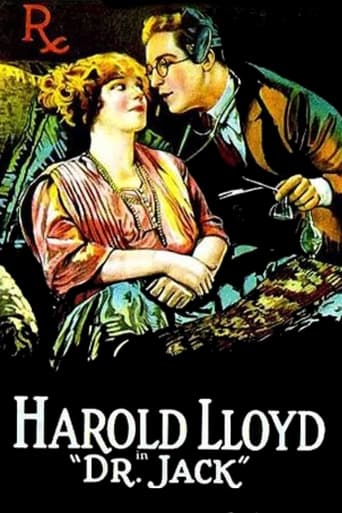
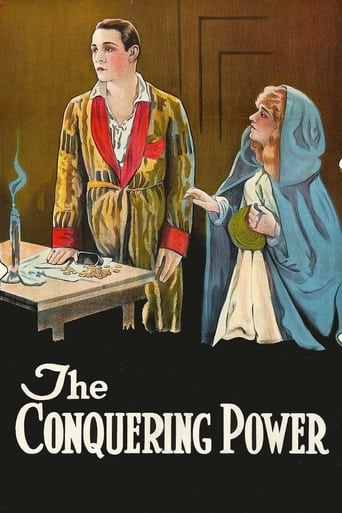
Titles linked here include The Conquering Power (1921), Dr. Jack (1922).
When was Eric Mayne born and when did he die?
Born December 18, 1865; died January 9, 1952.
What awards did Eric Mayne win?
Eric Mayne did not receive major awards during his career, which was common for character actors of his era. His recognition came through consistent employment and the respect of his colleagues in the film industry.
What was Eric Mayne's acting style?
Eric Mayne was known for his dignified, theatrical acting style that emphasized subtle gestures and facial expressions. His stage background contributed to his commanding screen presence, making him ideal for authoritative roles through minimal but effective movement and expression.