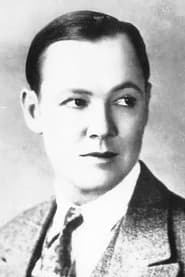
Charles Ray
Actor
Born: March 15, 1891 in Jacksonville, Illinois, USA Died: November 23, 1943 Active: 1911-1928 Birth Name: Charles Edgar Ray
Films
5 films
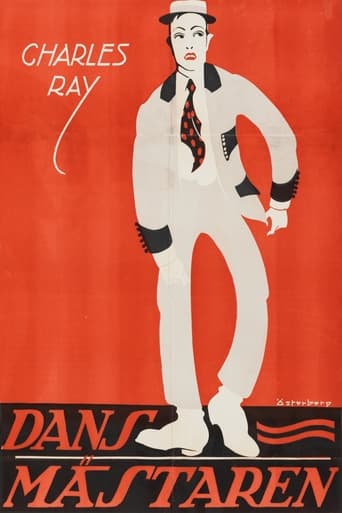
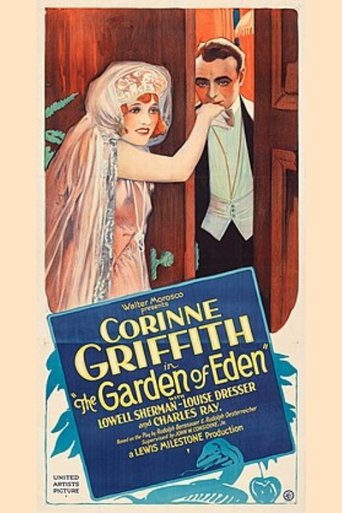
About Charles Ray
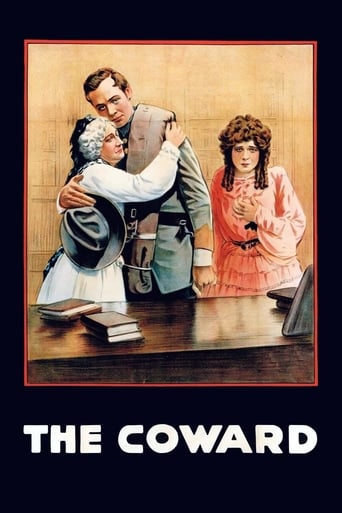
Charles Ray was popular and highest-paid silent film stars of the 1910s and early 1920s, known for his boyish charm and portrayal of innocent, youthful characters. He began his film career in 1911 with small roles at Essanay Studios before being discovered by director Thomas H. Ince, who helped shape his screen persona as the all-American boy. Ray's breakthrough came with The Coward (1915), which established him as a leading man capable of both dramatic depth and youthful appeal. By 1920, he was earning $11,000 per week, making him one of Hollywood's highest-paid actors, rivaling even Charlie Chaplin in popularity. In 1921, he formed his own production company, Charles Ray Productions, which gave him creative control but ultimately led to financial difficulties. His career declined sharply with the advent of sound films, as his boyish image and acting style didn't translate well to talkies, leading to his retirement from acting in 1928. He spent his final years in relative obscurity, dying of a heart attack in 1943 at the age of 52.
The Craft
On Screen
Ray specialized in portraying innocent, boyish characters with a wholesome, all-American appeal. His acting style emphasized naturalistic charm and emotional sincerity, particularly effective in rural or small-town settings. He often played the 'country boy' archetype, using subtle facial expressions and gentle mannerisms to convey vulnerability and sincerity. His technique was understated compared to many silent era actors, relying more on nuanced performance than exaggerated gestures.
Milestones
- Breakthrough role in The Coward (1915)
- Became one of Hollywood's highest-paid actors by 1920
- Formed Charles Ray Productions in 1921
- Starred in The Clodhopper (1917), one of his biggest hits
- Made transition to character roles in late 1920s
Best Known For
Iconic Roles
Must-See Films
Accolades
Won
- Hollywood Walk of Fame Star (6423 Hollywood Blvd)
Special Recognition
- One of the highest-paid actors of the silent era
- Named one of the 'Big Four' male stars of Paramount Pictures in the early 1920s
Working Relationships
Worked Often With
Studios
Why They Matter
Impact on Culture
Charles Ray represented the idealized American youth of the World War I era, embodying innocence, virtue, and small-town values that resonated deeply with contemporary audiences. His popularity helped establish the 'boy next door' archetype in American cinema, influencing how young male leads were portrayed throughout the silent era. Ray's films often addressed themes of coming-of-age, moral courage, and the tension between rural innocence and urban corruption, reflecting America's cultural transformation during the early 20th century. His decline with the advent of sound films symbolized the broader transition in Hollywood and the changing tastes of American audiences.
Lasting Legacy
Charles Ray's legacy is that of a quintessential silent film star whose meteoric rise and fall exemplify the volatility of early Hollywood fame. While largely forgotten today, he was once among the most recognizable and beloved actors in America, with films that grossed millions and a public image that defined wholesome masculinity for a generation. His story serves as a cautionary tale about the fleeting nature of stardom and the dramatic impact of technological change on artistic careers. Film historians recognize Ray as an important figure who helped establish the star system and demonstrated the commercial potential of youth-oriented cinema.
Who They Inspired
Ray's naturalistic acting style influenced subsequent actors who sought more subtle approaches to silent film performance. His success in 'country boy' roles paved the way for other actors specializing in rural characters, including later stars like Will Rogers and James Stewart. The formula of innocent youth confronting worldly corruption that Ray popularized became a recurring theme in American cinema, appearing in countless films throughout the 20th century. His business venture of forming his own production company also inspired other stars to seek creative and financial independence from the studio system.
Off Screen
Charles Ray married twice during his lifetime, first to actress Clara Mae Babbitt in 1915, which ended in divorce in 1923. He later married Yvonne Carson in 1932, who remained with him until his death. Ray had no children from either marriage. His financial difficulties in the mid-1920s, particularly after the failure of his production company, significantly impacted his personal life and contributed to his decline in Hollywood. In his final years, he lived a quiet life away from the public eye, largely forgotten by the industry that once celebrated him.
Education
Attended public schools in Jacksonville, Illinois; no formal dramatic training
Family
- Clara Mae Babbitt (1915-1923)
- Yvonne Carson (1932-1943)
Did You Know?
- At the height of his fame, Ray earned $11,000 per week, equivalent to over $150,000 today
- He was often called 'The Boy with the Million Dollar Smile' by fans and press
- Ray built his own studio complex in 1921, which cost over $500,000
- His production company went bankrupt after only a few years, partly due to the poor reception of his expensive epic 'The Courtship of Miles Standish'
- He was one of the first actors to successfully transition from shorts to feature films
- Ray — accomplished horseman and performed many of his own stunts
- He was friends with fellow silent stars like Buster Keaton and Harold Lloyd
- His decline was so complete that by the time of his death, many in Hollywood didn't remember who he was
- Ray was considered for the lead in 'The Big Parade' (1925) but lost the role to John Gilbert
- He made several attempts at comeback in the early 1930s but was unsuccessful
In Their Own Words
I've always tried to be the kind of person my fans think I am on the screen
The camera doesn't lie, but it can be fooled by a good actor
Playing innocent boys is harder than playing villains - everyone expects you to be good in real life
Hollywood is like a beautiful woman who promises everything but gives nothing
When you're a star, everyone wants to be your friend. When you're not, you learn who your real friends are
Frequently Asked Questions
Who was Charles Ray?
Popular American silent film with credits in this catalog. He was one of the highest-paid stars of the 1910s and early 1920s, particularly famous for his roles in films like 'The Coward' and 'The Clodhopper'.
What films is Charles Ray best known for?
Titles linked here include The Coward (1915), The Clodhopper (1917).
When was Charles Ray born and when did he die?
Born March 15, 1891; died November 23, 1943.
What awards did Charles Ray win?
While Charles Ray didn't receive major film awards during his career era, he was honored with a star on the Hollywood Walk of Fame at 6423 Hollywood Blvd. He was also recognized as one of the highest-paid actors of his time.
What was Charles Ray's acting style?
Ray specialized in naturalistic performances portraying innocent, boyish characters with wholesome appeal. His style emphasized subtle facial expressions and gentle mannerisms, particularly effective in rural or small-town settings, contrasting with the exaggerated acting common in many silent films.