Laura La Plante
Actor
Born: November 8, 1904 in St. Louis, Missouri, USA Died: October 14, 1996 Active: 1921-1939 Birth Name: Laura Belle La Plant
Films
6 films
About Laura La Plante
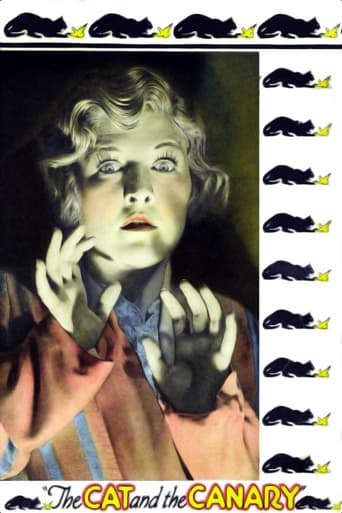
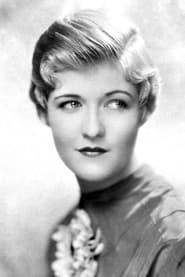
Prominent American film actress of the silent era and the early years of sound, remembered especially for her poised screen presence, expressive face, and ability to move from light comedies to mystery and melodrama. Born in St. Louis, Missouri, she was drawn into performance at a young age and entered films as a teenager, quickly becoming a busy and recognizable leading lady during the 1920s. She rose to major stardom at Universal, where she appeared in a steady stream of features and became one of the studio’s most popular actresses, particularly in comedy and suspense pictures. Her most enduring screen association is with the horror-comedy classic The Cat and the Canary (1927), in which she helped define the elegant, resourceful heroine type that later mystery films would emulate. La Plante made the transition into sound films, but like many silent-era stars, her career did not maintain the same momentum in the new era; nevertheless, she remained active into the early 1930s and later appeared in occasional films and television work. In 1924 she married actor and director William C. DeMille, tying her personally to one of Hollywood’s most filmmaking families. After her major film career faded, she lived a long life and became a respected survivor of the silent-screen generation, remembered by historians and classic film fans as one of Universal’s signature stars.
The Craft
On Screen
Laura La Plante’s acting style was typical of the best silent-era leading ladies: expressive but controlled, graceful, and highly camera-aware. She projected warmth and intelligence, often balancing glamour with a practical, self-possessed quality that made her especially effective in mystery and comedy roles. In the silent period she relied on subtle facial expression, precise movement, and a polished screen persona rather than broad melodramatics. In early sound films she retained a clear, pleasant screen presence and adapted well enough to remain visible during the transition, even though her star vehicle opportunities diminished.
Milestones
- Became a prominent Universal Pictures leading lady in the 1920s and one of the studio’s most visible silent-era stars
- Starred in The Cat and the Canary (1927), one of the defining mystery-horror comedies of the silent era
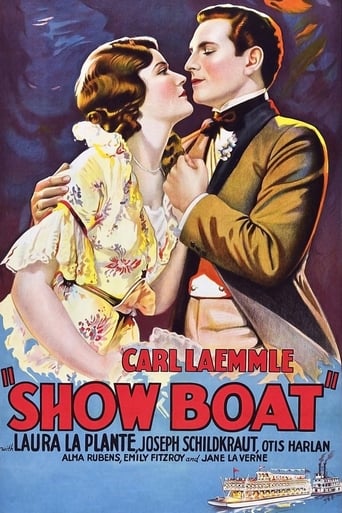
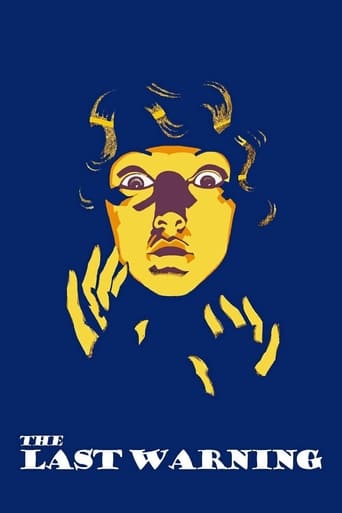
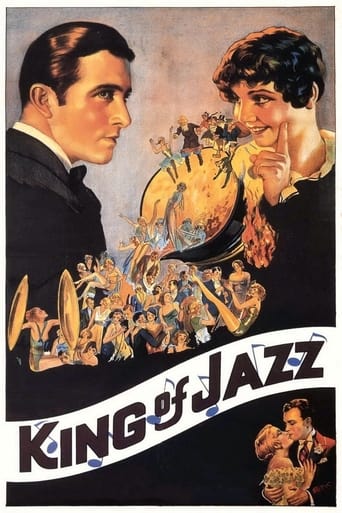
- Appeared in early sound-era productions including The Last Warning (1929), Show Boat (1929), and King of Jazz (1930)
- Maintained a successful transition from silent films to early talkies, even as many contemporaries struggled with the change
- Married William C. DeMille, linking her career to a major creative figure in Hollywood and the famed deMille family
- Continued to work beyond her peak film stardom, including later screen appearances after her 1920s fame had passed
Best Known For
Iconic Roles
Must-See Films
Working Relationships
Worked Often With
Studios
Why They Matter
Impact on Culture
Laura La Plante helped define the elegant, witty, and resilient heroine of late silent-era popular cinema, particularly in mystery and suspense films. Her performance in The Cat and the Canary became a template for the genre’s blend of glamour, poise, and vulnerability, and the film itself remains. As a major Universal star, she contributed to the studio’s identity during the 1920s, when it was building a reputation for stylish entertainment and star-driven productions. She is also historically important as one of the silent actresses who made a credible transition into sound, showing how some performers adapted their screen personas to the changing technology even when their stardom shifted. Her career is often used by film historians as a case study in the transition from silent cinema to talkies and in the changing standards for female stardom in Hollywood.
Lasting Legacy
La Plante’s legacy rests on her status as one of Universal’s most bankable and recognizable leading ladies of the 1920s, as well as on the continuing admiration for her work in The Cat and the Canary and related films. She remains part of the canonical conversation about silent-era female stars who combined glamour with a practical, modern intelligence on screen. Her work survives as an example of polished studio-era performance style: economical, expressive, and tailored to the camera without excess. For classic film audiences, she represents the graceful transition between silent and early sound Hollywood and the many capable actresses whose names were once familiar to moviegoers but later became known mainly to historians and enthusiasts. Her long life allowed her to serve as a living link to the silent era well into the late 20th century, adding to her historical significance.
Who They Inspired
La Plante influenced the portrayal of smart, composed women in mystery and suspense films, particularly the model of the heroine who remains stylish and calm even in dangerous or uncanny situations. Later actresses in horror and suspense genres inherited the template she helped popularize in The Cat and the Canary: the woman who is neither merely decorative nor helpless, but central to the plot’s tension and resolution. Her career also provides a useful example for historians studying how studios packaged and presented female stars in the 1920s. Although she was not known as a major acting teacher or direct mentor, her screen persona contributed to the broader visual language of feminine stardom in silent and early sound cinema.
Off Screen
Laura La Plante was born Laura Belle La Plant in St. Louis and grew up in the Midwest before entering the film industry as a young performer. She married director and writer William C. DeMille in 1924, and the marriage connected her to. Her private life was generally far less scandal-ridden than that of many Hollywood contemporaries, and she was known more for professionalism than publicity. After the height of her screen fame, she withdrew from the center of movie stardom, though she lived long enough to be rediscovered by later generations of silent-film enthusiasts. She died in Orange, California, at the age of 91.
Education
No detailed formal education is consistently documented in standard film histories; she entered professional acting while still very young.
Family
- William C. DeMille (1924-1940)
Did You Know?
- She was born Laura Belle La Plant but became professionally known as Laura La Plante.
- She was a major Universal star during the 1920s, when the studio was building its brand through stars and genre pictures.
- The Cat and the Canary remains her best-known film and one of the silent era’s most influential horror-comedies.
- She married William C. DeMille, brother of Cecil B. DeMille, in 1924.
- She successfully worked in both silent films and early talkies, which was not easy for many stars of her generation.
- Her career included work in mystery, comedy, romance, and musical pictures, showing considerable range within the studio system.
- She lived to the age of 91, making her one of the last surviving major silent-era leading ladies of her generation.
- She is often remembered by classic film fans as one of the polished, elegant heroines of 1920s Hollywood.
- She appeared in early Technicolor-era spectacle King of Jazz, which remains a landmark early sound musical.
Frequently Asked Questions
Who was Laura La Plante?
American actress who became one of Universal Pictures’ best-known silent-era stars in the 1920s. She was especially admired for her elegance, poise, and effectiveness in mystery, comedy, and early sound films.
What films is Laura La Plante best known for?
Titles linked here include The Cat and the Canary (1927), The Last Warning (1929).
When was Laura La Plante born and when did she die?
Born November 8, 1904; died October 14, 1996.
What awards did Laura La Plante win?
No major competitive awards are consistently documented for Laura La Plante in standard reference sources. Her recognition comes mainly from her popularity during the silent era, her studio prominence at Universal, and her enduring place in classic film history.
What was Laura La Plante's acting style?
Her acting style was graceful, expressive, and controlled, relying on the subtle physical and facial techniques essential to silent cinema. She projected intelligence and composure, which made her especially effective as a heroine in mystery and suspense films.
What is Laura La Plante's legacy in film history?
Her legacy lies in her status as one of Universal’s major silent-era leading ladies and as a key performer in one of the genre-defining mystery films of the 1920s. She is still valued by film historians as an example of a star who bridged silent and early sound cinema with style and professionalism.