Paul Leni
Director
Born: July 8, 1885 in Stuttgart, German Empire Died: September 2, 1929 Active: 1916-1929 Birth Name: Paul Josef Leni
Films
5 films
About Paul Leni
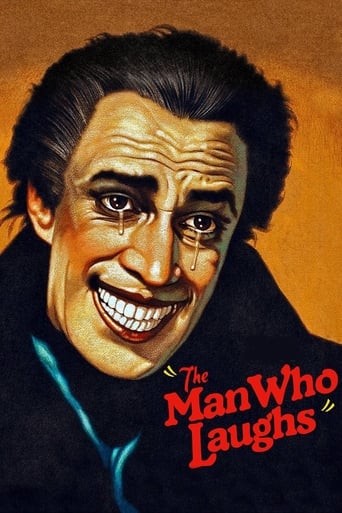
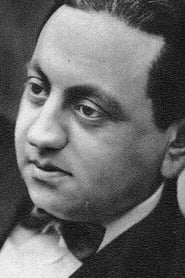
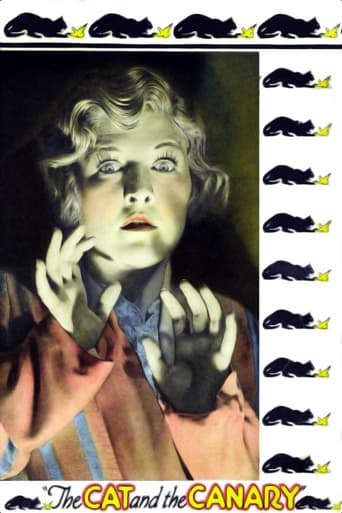
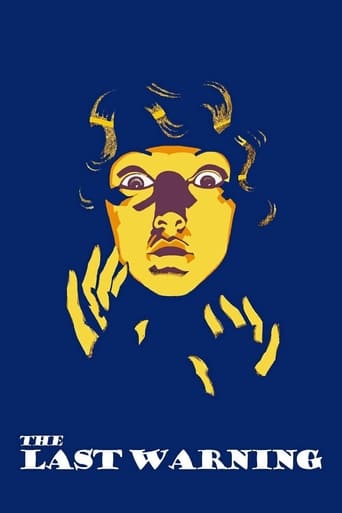
German film director and key figure in German Expressionist cinema who began his career as a painter and set designer before transitioning to filmmaking during World War I. He gained international acclaim for his visually striking German films, particularly 'Waxworks' (1924), which showcased his mastery of atmospheric lighting and innovative set design. In 1926, Universal Pictures executive Carl Laemmle recruited Leni to Hollywood, where he became one of the first German directors to successfully transition to American cinema. Leni directed several influential horror films that established visual and narrative conventions for the genre, including 'The Cat and the Canary' (1927) and 'The Man Who Laughs' (1928), the latter featuring Conrad Veidt's performance that inspired the Joker character. His distinctive visual style, characterized by elaborate sets, dramatic lighting, and fluid camera movements, bridged German Expressionism with emerging Hollywood techniques. Tragically, Leni's promising career was cut short when he died of blood poisoning at age 44, just as he was transitioning to sound films with 'The Last Warning' (1929). Despite his relatively brief career, Leni's influence on horror cinema and visual storytelling continues to resonate in contemporary filmmaking.
The Craft
Behind the Camera
Paul Leni's directing style was characterized by his German Expressionist roots, featuring elaborate, distorted sets, dramatic chiaroscuro lighting, and innovative camera movements that created psychological tension and visual poetry. He pioneered techniques such as subjective camera angles, superimpositions, and tracking shots that enhanced the emotional impact of his films. Leni's approach to horror emphasized atmospheric dread over explicit violence, using shadows, reflections, and architectural spaces to create a sense of unease. His visual storytelling often incorporated symbolic elements and surreal imagery that reflected the inner psychological states of his characters. Leni was particularly adept at blending gothic horror elements with modern cinematic techniques, creating a distinctive style that influenced generations of horror filmmakers.
Milestones
- Directed the German Expressionist masterpiece 'Waxworks' (1924)
- Became one of the first German directors recruited by Hollywood
- Pioneered the American horror film genre with 'The Cat and the Canary' (1927)
- Created the notable visual style for 'The Man Who Laughs' (1928)
- Successfully transitioned from silent to early sound films with 'The Last Warning' (1929)
Best Known For
Must-See Films
Accolades
Special Recognition
- Pioneer of German Expressionist cinema
- Influential figure in the development of American horror films
- His work is preserved in the Criterion Collection and studied in film schools worldwide
Working Relationships
Worked Often With
Studios
Why They Matter
Impact on Culture
Paul Leni fundamentally shaped both German Expressionist cinema and the American horror film genre, bridging European artistic innovation with Hollywood commercial filmmaking. His visual techniques, particularly his use of shadows, distorted sets, and subjective camera angles, established a visual language for psychological horror that influenced countless directors. 'The Man Who Laughs' created one of cinema's most enduring visual archetypes, with Conrad Veidt's permanently smiling face directly inspiring the creation of the Joker character in Batman comics. Leni's work demonstrated how horror could be both artistically sophisticated and commercially successful, paving the way for the horror boom of the 1930s at Universal Pictures. His films also contributed to the international recognition of German cinema in the 1920s, helping establish the country's reputation for artistic innovation in film.
Lasting Legacy
Paul Leni's legacy endures through his profound influence on horror cinema and visual storytelling techniques that remain relevant nearly a century after his death. His films, particularly 'The Cat and the Canary' and 'The Man Who Laughs,' are considered masterpieces of the horror genre and continue to be studied by filmmakers and scholars. Leni's visual innovations in set design, lighting, and camera work influenced subsequent generations of directors, from Alfred Hitchcock to Tim Burton. The atmospheric, psychological approach to horror that he pioneered became a cornerstone of the genre, moving it away from mere spectacle toward more sophisticated psychological themes. His work represents a crucial link between European artistic cinema and American genre filmmaking, demonstrating how avant-garde techniques could be adapted for commercial success. Film preservation efforts have ensured that Leni's major works remain accessible to modern audiences, allowing new generations to appreciate his contributions to cinema history.
Who They Inspired
Paul Leni's influence extends far beyond his relatively brief career, impacting both the technical and artistic aspects of filmmaking. His German Expressionist techniques directly influenced Hollywood's visual style in the late 1920s and early 1930s, particularly in the horror and film noir genres. Directors like James Whale ('Frankenstein'), Tod Browning ('Dracula'), and Karl Freund (cinematographer turned director) incorporated Leni's visual approaches in their own horror films. Alfred Hitchcock cited Leni's use of subjective camera and psychological tension as influences on his own work. Modern filmmakers including Tim Burton, Guillermo del Toro, and Martin Scorsese have acknowledged Leni's impact on their visual styles. The Joker character's notable appearance in Batman comics and films traces directly back to Conrad Veidt's performance in 'The Man Who Laughs,' making Leni's influence part of contemporary popular culture. Film schools worldwide study Leni's techniques as examples of how visual design can enhance narrative and emotional impact.
Off Screen
Paul Leni was born into a middle-class Jewish family in Stuttgart and showed artistic talent from an early age, initially pursuing painting and set design before discovering his passion for cinema. He married Austrian actress Magda Sonja in 1926, who appeared in several of his films including 'The Cat and the Canary.' The couple moved to Hollywood together when Leni signed with Universal Pictures, living in Los Angeles during the final years of his life. Leni was known as a meticulous and demanding director who maintained strong creative control over his projects, often designing sets and planning camera movements himself. His death from blood poisoning following a tooth infection came just as he was establishing himself as a major director in Hollywood, leaving behind a legacy of influential horror films that would shape the genre for decades.
Education
Studied art and painting at the Stuttgart Academy of Art before transitioning to set design and filmmaking
Family
- Magda Sonja (1926-1929)
Did You Know?
- Leni began his career as a painter and set designer before moving into film direction
- He was one of the first German directors recruited by Hollywood during the 1920s
- The Joker's appearance in Batman comics was directly inspired by Conrad Veidt's character in 'The Man Who Laughs'
- Leni died from blood poisoning following a tooth infection at age 44
- His film 'Waxworks' featured three different stories each with distinct visual styles
- Leni designed many of the elaborate sets for his films himself
- His final film 'The Last Warning' was one of Universal's first sound productions
- Leni's visual techniques influenced the development of film noir in the 1940s
- He was known for his meticulous attention to detail, often spending weeks planning camera movements
- His work helped establish Universal Pictures as the leading horror film studio
In Their Own Words
In the cinema, the eye must be the guide to the soul
Horror is not about what you see, but what you imagine
Light and shadow are the paintbrushes of the filmmaker
Every set must be a character in the story
The camera must dance with the actors, not merely observe them
Frequently Asked Questions
Who was Paul Leni?
German on YTB.my. He directed acclaimed films including 'The Cat and the Canary' and 'The Man Who Laughs' before his untimely death at age 44.
What films is Paul Leni best known for?
Titles linked here include The Cat and the Canary (1927), The Man Who Laughs (1928).
When was Paul Leni born and when did he die?
Born July 8, 1885; died September 2, 1929.
What awards did Paul Leni win?
While Paul Leni did not receive major formal awards during his lifetime, his films have been recognized retrospectively for their artistic significance and influence on cinema. His work is preserved in the Criterion Collection and studied as foundational to the horror genre.
What was Paul Leni's directing style?
Leni's directing style was characterized by German Expressionist techniques including elaborate distorted sets, dramatic chiaroscuro lighting, and innovative camera movements. He emphasized atmospheric dread over explicit violence, using shadows and architectural spaces to create psychological tension.
How did Paul Leni influence the horror genre?
Leni established visual and narrative conventions for horror cinema that influenced countless later directors. His atmospheric approach to horror, use of psychological tension, and innovative visual techniques became foundational to the genre, particularly at Universal Pictures.
What connection does Paul Leni have to the Batman Joker character?
Conrad Veidt's appearance as Gwynplaine in Leni's 'The Man Who Laughs' directly inspired the visual design of the Joker character in Batman comics. The character's permanently smiling face and theatrical demeanor trace back to Veidt's performance in Leni's film.