
Rebus-Film Nr. 1
"Movie theater feature part."
Keys: Space play/pause · ←/→ 10s · F fullscreen · M mute · </> speed
About this film
An "extra" shown in two parts at the movie theater, before and after a feature: part one gives the clues to six words in a crossword puzzle, part two gives the answers. A simple cartoon character, Mr. Rebus, walks the audience through the clues, and title cards encourage the participation of the theatergoers.
Cast & crew
More Animation films
View all →

More from Paul Leni
View all →
More about this film
About the production
Release date1925
Box officeUnknown - shown as supporting program content rather than main attraction
ProductionUFA (Universum Film AG)
Filmed inBerlin, Germany
Created during the height of German Expressionist cinema, this film represents a departure from the dark, dramatic style typical of the period. Paul Leni, known for his work on 'Waxworks' (1924), brought his visual expertise to this more lighthearted educational format. The film utilized a combination of animation techniques including cut-out animation and limited cel animation, which was innovative for German cinema at the time. The production was designed specifically for theatrical exhibition as an interactive program element, requiring theaters to show it in two separate parts to maintain the puzzle-solving suspense.
Themes
Interactive entertainmentPuzzle-solvingVisual communicationEducational cinemaAudience participation
Themes & topics
animationcrossword puzzleinteractive filmeducationalsilent filmGerman Expressionismshort filmtheater programpuzzleaudience participation
Historical background
Production circa 1925 placed Rebus-Film Nr. 1 within the technical habits of its era—intertitles, studio sets, and regional distribution networks.
Why this film matters
Reference works on 1925 cinema cite Rebus-Film Nr. 1 when tracing genre habits and studio economics.
Making of
The production of Rebus-Film Nr. 1 took place at UFA's studios in Berlin during a period of intense creative experimentation in German cinema. Paul Leni, who had established himself excelled in visual design with films like 'Waxworks,' applied his Expressionist sensibilities to this more commercial format. The animation team employed a combination of techniques, including traditional hand-drawn animation for Mr. Rebus and photographic collage elements for the visual clues. The film's interactive nature required careful coordination with theater owners, who had to agree to present the film in two parts with appropriate timing. The production team worked closely with crossword puzzle designers to ensure the clues were neither too difficult nor too simple for average moviegoers. The film's success led to discussions about creating a regular series of similar interactive shorts, though the concept was ahead of its time in terms of audience expectations and theater logistics.
What critics said
Trade papers near 1925 listed Rebus-Film Nr. 1 among weekly program offerings rather than as a headline critical event.
Did you know?
- This was one of the earliest examples of interactive cinema, requiring audience participation to solve the crossword puzzle
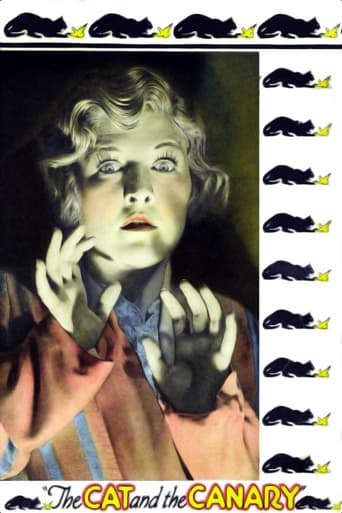
- Director Paul Leni later moved to Hollywood and became a pioneering figure in American horror cinema, directing 'The Cat and the Canary' (1927)
- The character Mr. Rebus was one of the first recurring animated characters in German cinema
- The film was part of a planned series of Rebus films, though it's unclear how many were actually produced
- The crossword puzzle format was relatively new in the 1920s, making this film very contemporary with the puzzle craze of the era
- The two-part structure was designed to keep audiences in their seats during intermission and encourage them to stay for the second part
- UFA, the production company, was one of Europe's largest film studios and a major force in international cinema during the 1920s
- The film represents an early example of educational entertainment or 'edutainment' in cinema
- The visual clues were carefully selected to represent universally recognizable concepts, making the film accessible to international audiences
- The spinning object montages were influenced by the experimental filmmaking techniques emerging in the Soviet Union and Germany at the time
Awards & recognition
- No major awards documented for this short film
Visual style
The cinematography of Rebus-Film Nr. 1 employed a variety of innovative techniques for its time. The film combined traditional animation with photographic elements, creating a mixed-media aesthetic that was relatively uncommon in 1920s cinema. The visual clues were presented through carefully composed shots that utilized both close-ups and wider angles to ensure clarity for the audience. The montages of street scenes and spinning objects demonstrated the influence of Soviet montage theory, with rapid cuts and dynamic camera movements creating visual rhythm. The animation of Mr. Rebus used limited cel animation techniques, which were more efficient than full cel animation but still allowed for smooth character movement. The film's visual style was influenced by German Expressionism in its use of dramatic lighting and bold contrasts, though applied to a more lighthearted subject matter than typical Expressionist films.
Innovations
Rebus-Film Nr. 1 achieved several technical innovations for its time. The film pioneered the concept of interactive cinema, requiring audience participation to fully experience the content. Its two-part structure, designed to be shown before and after a main feature, was an innovative approach to program formatting that encouraged audience retention. The combination of animation and live-action footage in a single educational context was technically advanced for 1925. The film's use of visual puzzle-solving through cinema demonstrated an early understanding of how visual media could be used for educational and entertainment purposes simultaneously. The clear visual communication of abstract concepts through imagery represented an achievement in visual storytelling techniques. The film also demonstrated early understanding of audience psychology and engagement, using the natural human desire to solve puzzles as a driving force for viewer participation.
Music
As a silent film, Rebus-Film Nr. 1 would have been accompanied by live musical performance in theaters. The score was likely provided by the theater's house organist or pianist, who would improvise or use suggested musical cues to match the on-screen action. The music would have needed to adapt to both the animated sequences and the photographic elements, creating appropriate moods for each visual clue. The interactive nature of the film might have required musical cues that signaled when audiences should begin discussing the clues. While no specific musical scores or cue sheets for this film have survived, typical German theater music of the period would have included popular songs, classical excerpts, and original compositions tailored to the film's needs.
Famous quotes
Lösen Sie das Rätsel! (Solve the puzzle!)
Herr Rebus führt Sie durch die Geheimnisse (Mr. Rebus guides you through the mysteries)
Teilnehmen und gewinnen! (Participate and win!)
Memorable scenes
- The introduction of Mr. Rebus, the animated host who guides viewers through each clue with charming gestures and expressions
- The spinning object montage sequence that creates visual rhythm and excitement using various rotating elements
- The final reveal sequence where the crossword answers are displayed, allowing audiences to check their solutions
What audiences thought
The film was reportedly popular with German theater audiences of the mid-1920s, who enjoyed the novelty of participating in solving the crossword puzzle. Moviegoers appreciated the break from traditional narrative films and the opportunity to engage their minds actively during the cinema experience. The two-part format effectively maintained audience interest, with many patrons reportedly discussing possible answers during the intermission. The character of Mr. Rebus became somewhat recognizable to regular cinema patrons. However, the interactive nature of the film also meant that its success depended heavily on the theater's presentation and the audience's willingness to participate. Some reports suggest that the format worked better in smaller, more intimate theaters where audience members could more easily discuss the clues together.
Film connections
Influenced by
- German Expressionist cinema
- Soviet montage theory
- American crossword puzzle craze
- Early animation techniques
- Educational film movement
This film influenced
- Later interactive and educational films
- Modern gamification in cinema
- Interactive museum exhibits
- Educational animation series
Film restoration
The preservation status of Rebus-Film Nr. 1 is uncertain, as with many German short films from the 1920s. Some sources suggest that copies may exist in European film archives, particularly in Germany's Bundesarchiv or at the Friedrich Wilhelm Murnau Foundation. However, the film is not widely available for viewing, suggesting that either preservation is incomplete or access is restricted. The film's status as a supporting program element rather than a main feature may have contributed to fewer copies being preserved. Restoration efforts for German cinema of this period have primarily focused on feature films, leaving many shorts and program elements in limbo. Film historians continue to search for surviving copies of this innovative work.
Where to watch
- Currently not commercially available
- May be accessible through specialized film archives in Germany
- Potential screenings at classic film festivals or museum exhibitions
- Academic institutions with German film collections may have access
- Contact Bundesarchiv-Filmarchiv or Friedrich Wilhelm Murnau Foundation for research access