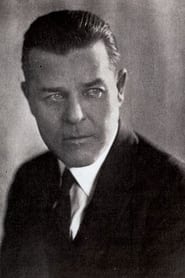
Harry A. Pollard
Director
Born: January 23, 1879 in Republic, Kansas, USA Died: July 6, 1934 Active: 1912-1934 Birth Name: Harry Alexander Pollard
Films
4 films

About Harry A. Pollard
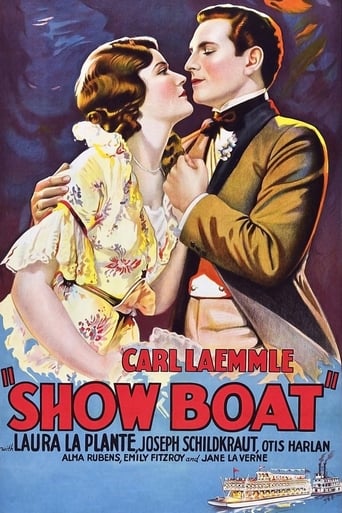
Made significant contributions during the transition from silent films to early sound cinema. Born in 1879, Pollard began his career as an actor in the 1910s before transitioning to directing around 1917. He established himself as a competent director of silent comedies and dramas, often working with his wife, actress Margarita Fischer, in many of his productions. His career reached its zenith with the direction of the 1929 adaptation of 'Show Boat,' which was notable as an early part-talkie musical that bridged the silent and sound eras. Throughout the 1920s, Pollard directed numerous films for various studios, demonstrating versatility across genres from comedy to drama. His directing style was characterized by clear visual storytelling that served him well during the challenging transition to sound. Pollard's career was cut short by his untimely death in 1934, but his work, particularly 'Show Boat,' remains an important artifact of early American cinema's technological evolution.
The Craft
Behind the Camera
Pollard's directing style emphasized clear visual storytelling and efficient pacing, which served him particularly well during the challenging transition to sound. He demonstrated a keen understanding of both silent and sound techniques, allowing him to create hybrid films like 'Show Boat' that incorporated both mediums effectively. His direction was marked by a focus on narrative clarity and emotional resonance, often drawing strong performances from his actors. Pollard was particularly adept at handling musical elements and dramatic sequences, showcasing versatility across genres.
Milestones
- Transition from actor to director in 1917
- Directed the landmark part-talkie 'Show Boat' (1929)
- Frequent collaboration with wife Margarita Fischer
- Successfully navigated the transition from silent to sound films
- Directed over 60 films during his career
- Established his own production company with his wife
Best Known For
Iconic Roles
Must-See Films
Accolades
Special Recognition
- Pioneer of early sound cinema
- Recognized for successful silent-to-sound transition
Working Relationships
Worked Often With
Studios
Why They Matter
Impact on Culture
Harry A. Pollard played a significant role in the transition from silent to sound cinema, particularly through his direction of the 1929 'Show Boat,' which was one of the earliest major film musicals. This production demonstrated how theatrical musicals could be adapted for the screen, influencing subsequent musical film productions. His work during this crucial period of technological change helped establish conventions for hybrid silent-sound productions that would pave the way for fully realized sound films. Pollard's ability to successfully navigate both mediums made him an important figure in preserving cinematic continuity during this disruptive transition.
Lasting Legacy
Harry A. Pollard's legacy lies primarily in his contribution to early sound cinema and his successful adaptation of 'Show Boat,' which remains historically significant as an early musical film. His work serves as an important example of how directors adapted their techniques to incorporate sound while maintaining visual storytelling traditions. The 1929 'Show Boat' is studied by film historians as a crucial document of cinema's technological evolution. Pollard's career trajectory from actor to director during the formative years of Hollywood exemplifies the opportunities for advancement available to talented individuals in the early film industry. His films, though lesser-known today, provide valuable insights into the artistic and technical challenges faced by filmmakers during the silent-to-sound transition.
Who They Inspired
Pollard influenced subsequent musical film directors through his work on 'Show Boat,' demonstrating how theatrical productions could be successfully adapted for the screen. His approach to hybrid silent-sound films provided a template for other directors working during the transition period. His collaboration with his wife Margarita Fischer also set an example for creative partnerships in early Hollywood. While not as widely recognized as some of his contemporaries, Pollard's technical innovations in early sound recording and his ability to maintain narrative clarity across both silent and sound sequences influenced how other directors approached the challenges of early sound cinema.
Off Screen
Harry A. Pollard married actress Margarita Fischer in 1911, and their professional and personal partnership became one of Hollywood's notable collaborations of the silent era. The couple often worked together on film projects, with Fischer starring in many of Pollard's directed films. They established their own production company, Pollard-Fischer Productions, which gave them creative control over several projects. Their marriage lasted until Pollard's death in 1934. The couple had no children together. Pollard's life was marked by his dedication to the evolving art of cinema and his ability to adapt to technological changes in the industry.
Education
Limited formal education; primarily self-taught in the film industry through practical experience as an actor and director during the early days of Hollywood
Family
- Margarita Fischer (1911-1934)
Did You Know?
- Began his film career as an actor in 1912 before transitioning to directing
- His 1929 'Show Boat' was both a part-talkie and part-silent film
- Married actress Margarita Fischer, who starred in many of his films
- Directed over 60 films during his relatively short career
- Established his own production company with his wife
- The 1929 'Show Boat' was the first film adaptation of the famous musical
- Died at age 55, cutting short a promising career in early sound cinema
- His films are now considered important artifacts of cinema's technological transition
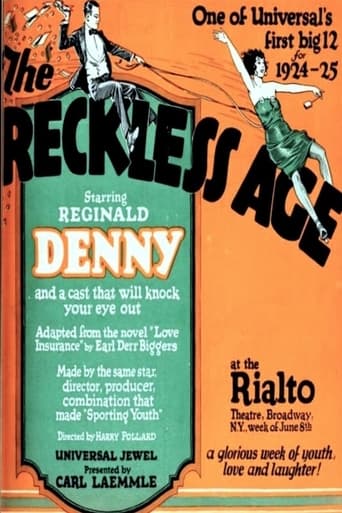
- Worked with major studios including Universal, Fox, and MGM
- Often cast his wife in leading roles, showcasing her talents to audiences
In Their Own Words
No widely documented famous quotes attributed to Harry A. Pollard in historical records
Frequently Asked Questions
Who was Harry A. Pollard?
American on YTB.my. He is best known for directing the 1929 film adaptation of 'Show Boat,' one of the earliest major musical films. Active 1912–1934 in this catalog, during which he directed over 60 films and successfully navigated the transition from silent to sound cinema.
What films is Harry A. Pollard best known for?
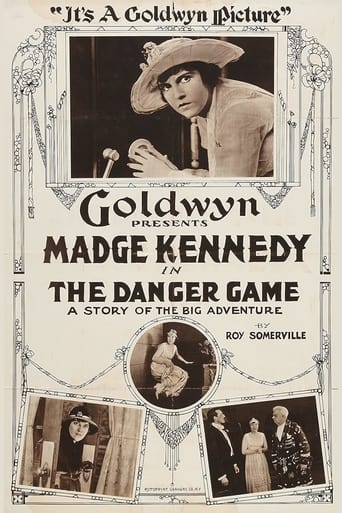
Titles linked here include Show Boat (1929), The Danger Game (1918).
When was Harry A. Pollard born and when did he die?
Born January 23, 1879; died July 6, 1934.
What awards did Harry A. Pollard win?
While Harry A. Pollard did not receive major formal awards during his career, he is recognized by film historians as a pioneer of early sound cinema. His work, particularly 'Show Boat' (1929), is historically significant for its role in the development of the film musical genre and its successful navigation of the silent-to-sound transition.
What was Harry A. Pollard's directing style?
Pollard's directing style emphasized clear visual storytelling and efficient pacing, which served him well during the transition to sound. He demonstrated versatility across genres and was particularly adept at handling both dramatic and musical elements. His direction was marked by narrative clarity and the ability to draw strong performances from actors, making him effective in both silent and sound mediums.