King Baggot

King Baggot

Actor & Director

Born: November 7, 1879 in St. Louis, Missouri, USA Died: July 11, 1948 Active: 1909-1947 Birth Name: William King Baggot

About King Baggot

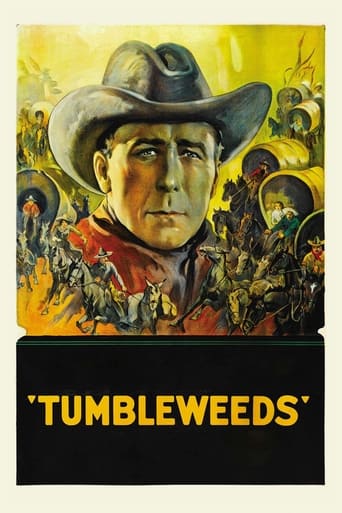
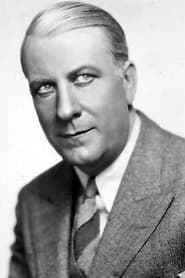
King Baggot, born William King Baggot, was a pioneering American actor, director, and screenwriter who became one of the first major movie stars in the silent film era. Beginning his career on the stage, he transitioned to films in 1909 and quickly rose to prominence working for Carl Laemmle's IMP Company and later Universal Studios. Baggot earned the nickname 'King of the Movies' due to his immense popularity and was one of the first actors to be marketed by name to audiences. He successfully transitioned to directing in the 1910s, helming over 100 films including the acclaimed western 'Tumbleweeds' (1925) starring William S. Hart. His career spanned nearly four decades, though he struggled with the transition to sound films, appearing in smaller roles through the 1930s and 1940s. Baggot's contributions to early cinema were significant, helping establish the star system and demonstrating the potential for actors to become successful directors.

The Craft

On Screen

Baggot's acting style embodied the theatrical intensity of early silent cinema, characterized by grand, expressive gestures and dramatic facial expressions that effectively conveyed emotions to audiences. His stage background influenced his cinematic technique, allowing him to communicate complex narratives through physical movement and nuanced facial expressions. He demonstrated remarkable versatility, seamlessly transitioning between romantic leads, dramatic characters, and action-oriented roles, showcasing a range that captivated early film audiences and helped establish the language of screen acting.

Behind the Camera

As a director, Baggot developed a sophisticated visual approach that emphasized storytelling clarity and emotional depth. His technical innovations included dynamic camera movements and carefully composed shots that enhanced narrative tension. His work on 'Tumbleweeds' revealed a particular talent for capturing the expansive American landscape, using the western setting to explore themes of individualism and frontier spirit. Baggot's directing style prioritized narrative coherence while maintaining visual interest, making him one of the more technically accomplished directors of the silent era.

Milestones

  • First major American movie star
  • Directed over 100 films
  • Starred in the first American feature film 'The Lie' (1912)
  • Directed the acclaimed western 'Tumbleweeds' (1925)
  • Pioneered the actor-turned-director career path
  • Made the successful transition from stage to film
  • Helped establish the star system in American cinema

Best Known For

Iconic Roles

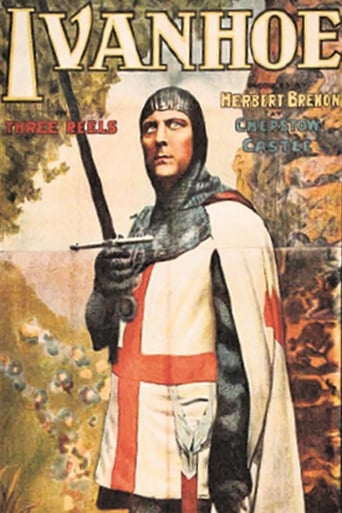
  • King Richard in 'Ivanhoe' (1913)
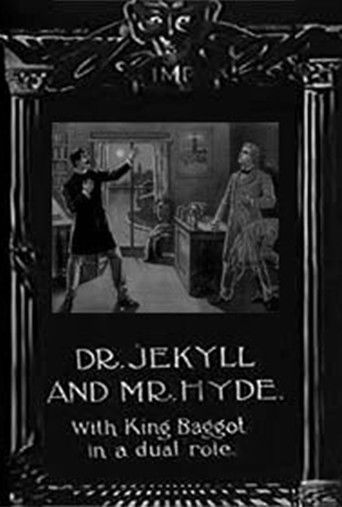
  • Dr. Jekyll/Mr. Hyde in 'Dr. Jekyll and Mr. Hyde' (1913)
  • The lead in 'The Lie' (1912)

Must-See Films

  • Tumbleweeds
  • 1925
  • as director,
  • Ivanhoe
  • 1913
  • ,
  • Dr. Jekyll and Mr. Hyde
  • 1913
  • ,
  • The Lie
  • 1912
  • ],
  • awards
  • Star on the Hollywood Walk of Fame (1960, posthumous)
  • nominations
  • honors
  • Recognized as one of the first American movie stars,Pioneer of the actor-director career path,Inducted into the St. Louis Walk of Fame,Credited with helping establish the feature-length film format
  • personalLife
  • King Baggot married actress Ruth Baldwin in 1908, and they had two sons together before divorcing in 1926. He later married actress Ruth Taylor in 1927, though this marriage also ended in divorce in 1930. Baggot was known for his professionalism and dedication to his craft, often working long hours on set. In his later years, he struggled financially as his career declined with the advent of sound films, and he battled alcoholism. Despite his early fame and success, he died in relative obscurity in Los Angeles at the age of 68, largely forgotten by the industry he had helped establish.
  • spouses
  • Ruth Baldwin (1908-1926),Ruth Taylor (1927-1930)
  • children
  • Robert Baggot,Bruce Baggot
  • education
  • Attended Christian Brothers College in St. Louis
  • studioAffiliations
  • IMP Company,Universal Studios,Fox Film Corporation,MGM (minor roles)
  • frequentCollaborators
  • Carl Laemmle,William S. Hart,Harry A. Pollard,Ruth Baldwin
  • mentors
  • Carl Laemmle
  • protégés
  • Influenced early film actors transitioning to directing careers
  • culturalImpact
  • King Baggot played a crucial role in establishing the star system in American cinema, becoming one of the first actors to be marketed by name to audiences. His success demonstrated that film actors could achieve the same level of fame and respect as stage performers, helping legitimize cinema as a respectable artistic medium. His transition from acting to directing paved the way for future actor-directors like Charlie Chaplin and Orson Welles. Baggot's work in early feature films helped establish the feature-length format as the industry standard, moving beyond the dominance of short films that characterized early cinema.
  • legacy
  • King Baggot's legacy lies in his pioneering role in early American cinema as both a major star and successful director. He helped establish many of the industry practices that would become standard, including the star system and the feature-length format. His films, particularly 'Tumbleweeds,' remain important examples of silent-era filmmaking and western cinema. While his name is not as widely recognized today as some of his contemporaries, film historians acknowledge his significant contributions to the development of American cinema. His career trajectory from stage to film stardom to directing represents the evolution of the film industry itself during its formative years.
  • influence
  • Baggot influenced numerous actors and directors who followed, particularly in demonstrating that successful actors could transition to directing careers. His work with Carl Laemmle at IMP and Universal helped establish the studio system that would dominate Hollywood for decades. His approach to film acting, which blended theatrical techniques with cinematic realism, influenced the development of screen acting styles. His success in both acting and directing roles inspired other performers to take creative control of their projects and expanded the possibilities for creative expression in early cinema.
  • trivia
  • He was nicknamed 'King of the Movies' due to his popularity in the 1910s,He appeared in over 300 films as an actor,He directed more than 100 films during his career,He was one of the first actors to receive screen credit,His 1913 film 'Ivanhoe' was one of the earliest American feature films,He was a skilled baseball player and nearly pursued a professional sports career,He served in the Navy during World War I,He was one of the highest-paid actors of his time, earning $1,000 per week,His star on the Hollywood Walk of Fame was awarded posthumously,He made his film debut in 1909 in 'The Stolen Clock'
  • famousQuotes
  • The moving picture is the art form of the future, and I intend to be part of its development,An actor must learn to speak with his eyes, for the camera sees what the stage cannot,Directing is simply acting with a camera instead of with your body
  • controversies
  • His divorce from Ruth Baldwin was highly publicized in the 1920s,He struggled with alcoholism in his later years,His career decline led to financial difficulties and occasional arrests for public intoxication
  • externalLinks
  • [object Object]
  • faq
  • [object Object],[object Object],[object Object],[object Object],[object Object],[object Object],[object Object]

Films

3 films