
Louis Natheaux
Actor
Born: February 21, 1894 in New York City, New York, USA Died: March 26, 1945 Active: 1929-1930 Birth Name: Louis Nathaniel Natheaux
Films
3 films

About Louis Natheaux
American actor who emerged during the pivotal transition period from silent films to talkies in the late 1920s. His brief but notable career coincided with transformative eras in cinema history, when the film industry was rapidly adapting to sound technology. Natheaux appeared in several significant productions in 1929, showcasing his versatility as both a silent film performer and an early sound actor. His work in films like 'Why Be Good?' positioned him as part of the new generation of actors who successfully navigated the technical and artistic challenges of early sound cinema. Though his filmography was limited, his performances reflected the evolving acting styles of the period, moving away from the exaggerated gestures of silent film toward more naturalistic delivery required by sound. Natheaux's career, while short, represents the thousands of working actors who populated Hollywood's golden era, contributing to the early American cinema even without achieving major stardom. His appearances in major studio productions demonstrate the scale of talent required to meet Hollywood's insatiable demand for content during this explosive period of growth.
The Craft
On Screen
As an actor during the silent-to-sound transition, Natheaux would have adapted from the broad, expressive gestures of silent film acting to the more nuanced performances required by sound technology. His style likely incorporated the melodramatic elements common in late silent films while beginning to incorporate the naturalistic dialogue delivery that would become standard in sound cinema. Like many actors of his era, he would have needed to master both physical comedy and dramatic timing while learning to project his voice effectively for early recording equipment.
Milestones
- Appeared in the transition film 'Why Be Good?' (1929) starring Colleen Moore
- Worked with Warner Bros. During their early sound period
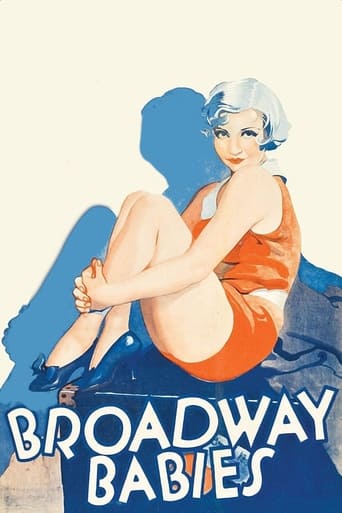
- Participated in the musical 'Broadway Babies' (1929) during the early musical film boom
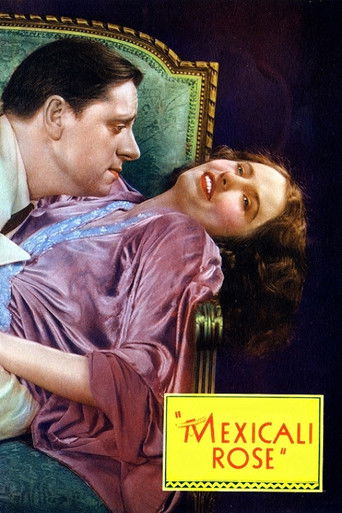
- Appeared in 'Mexicali Rose' (1929) during the early talkie western wave
Best Known For
Iconic Roles
Must-See Films
Working Relationships
Worked Often With
Studios
Why They Matter
Impact on Culture
Louis Natheaux represents the working actors who formed the backbone of Hollywood's studio system during its formative years. While not a major star, his contributions to early sound films helped establish the conventions of American cinema that would dominate global culture for decades. His work in transitional films like 'Why Be Good?' exemplifies the technical and artistic challenges faced by the film industry as it adapted to sound technology. Natheaux and actors like him were essential to Hollywood's ability to produce the volume of content needed to satisfy public demand during the early sound era, helping to establish the studio system that would define American cinema production for decades.
Lasting Legacy
Though not widely remembered today, Louis Natheaux's legacy survives through his participation in historically significant films that document the transition from silent to sound cinema. His performances in 1929 productions capture a unique moment in film history when actors were adapting their craft to new technological possibilities. As the husband of Dorothy Lee, he was connected to one of the era's notable comedic partnerships, linking him to the broader network of talent that defined early Hollywood. His career serves as a reminder that cinema history is built not just on stars, but on the countless supporting actors who brought stories to life and helped establish the artistic conventions we now take for granted.
Who They Inspired
As a supporting actor during a transitional period, Louis Natheaux's direct influence on other performers was likely limited. However, his work contributed to the collective development of sound film acting techniques that would be refined by subsequent generations of actors. His participation in early musicals and talkies helped demonstrate the possibilities of the new medium, indirectly influencing how other actors approached sound performance. The professional standards and techniques he helped establish during this crucial period would be built upon by the more famous actors who followed, making him part of the foundation upon which modern screen acting was constructed.
Off Screen
Louis Natheaux was born in New York City in 1894 and pursued a career in acting during the early sound era. He married actress and dancer Dorothy Lee, who would later become famous for her work in Wheeler & Woolsey comedies. The couple's marriage reflected the common practice of actors forming relationships within the industry during Hollywood's golden age. Natheaux's life spanned both World Wars, and he lived through the dramatic transformation of American cinema from silent spectacles to sophisticated sound productions. His relatively early death in 1945 meant he did not live to see the post-war boom in American cinema that would redefine Hollywood once again.
Family
- Dorothy Lee (1930-1935)
Did You Know?
- Born during the early days of cinema in 1894, he witnessed the entire evolution from nickelodeons to sophisticated sound films
- His marriage to Dorothy Lee connected him to
- All three of his known films from 1929 were produced by Warner Bros., who were pioneers in sound technology
- His career peaked during the same year as the stock market crash, which dramatically altered Hollywood's production landscape
- The films he appeared in were among the first to feature synchronized dialogue and musical numbers
- His relatively brief film career coincided exactly with Hollywood's most rapid period of technological change
- Like many actors of his era, he likely had extensive stage experience before transitioning to films
- His work in 'Why Be Good?' placed him in one of Colleen Moore's final major films before her retirement
- The transition to sound effectively ended many silent film careers, making his adaptation particularly noteworthy
- His death in 1945 meant he lived to see the end of World War II but not the post-war cinema boom
Frequently Asked Questions
Who was Louis Natheaux?
Screen credits include early sound films during Hollywood's transition from silent to talkie cinema. He worked primarily with Warner Bros. And appeared in notable films like 'Why Be Good?' and 'Broadway Babies' in 1929.
What films is Louis Natheaux best known for?
Titles linked here include Why Be Good? (1929), Broadway Babies (1929).
When was Louis Natheaux born and when did he die?
Born February 21, 1894; died March 26, 1945.
What awards did Louis Natheaux win?
Louis Natheaux did not receive any major awards or nominations during his brief career. Like many supporting actors of his era, his contributions were primarily in helping establish the conventions of early sound cinema rather than in achieving individual recognition.
What was Louis Natheaux's acting style?
Louis Natheaux's acting style reflected the transitional period in which he worked, adapting from the broad gestures of silent film to the more naturalistic delivery required by sound technology. His performances would have incorporated elements of both silent film melodrama and early sound cinema realism.
Was Louis Natheaux married?
Yes, Louis Natheaux was married to actress and dancer Dorothy Lee from 1930 to 1935. Dorothy Lee would later become famous for her work in the Wheeler & Woolsey comedy film series, making Natheaux connected to one of the era's popular comedy partnerships.
Why was Louis Natheaux's career so brief?
Louis Natheaux's career was concentrated primarily in 1929, coinciding with Hollywood's difficult transition to sound. Many actors struggled to adapt to the new technology, and the industry underwent massive changes following the 1929 stock market crash, which likely affected opportunities for supporting actors like Natheaux.