
Leslie Fenton
Actor
Born: March 12, 1902 in London, England Died: March 25, 1978 Active: 1925-1952
Films
5 films

About Leslie Fenton
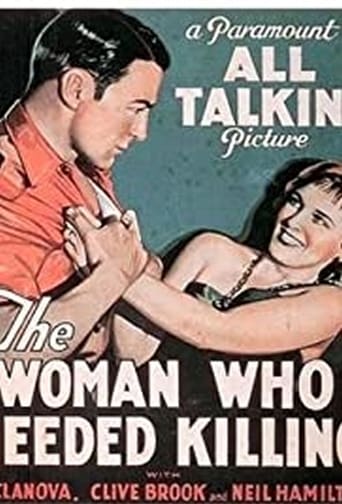
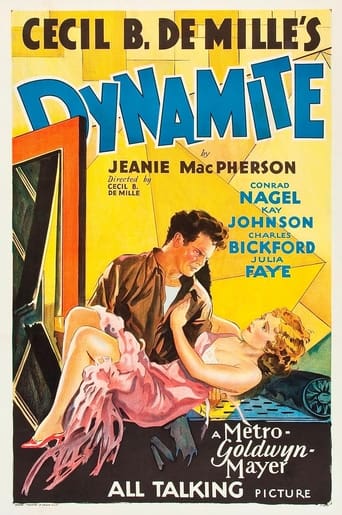
British-born American actor who successfully transitioned into a respected film director during Hollywood's Golden Age. Born in London in 1902, he immigrated to the United States as a child and began his acting career in silent films during the mid-1920s. Fenton appeared in numerous notable productions including Raoul Walsh's 'What Price Glory' (1926) and Cecil B. DeMille's 'Dynamite' (1929), establishing himself as a reliable character actor during the transition to sound. By the mid-1930s, he had shifted his focus to directing, helming over 30 films for major studios including MGM and Universal. His directorial work spanned multiple genres, from film noir to westerns, with particular success in crime dramas and psychological thrillers. Fenton served as a combat cameraman in the U.S. Army Air Forces during World War II, documenting combat operations in Europe. After the war, he continued directing until the early 1950s before retiring from the film industry to focus on other business ventures.
The Craft
On Screen
Fenton was known for his versatility as a character actor, adept at playing both comedic and dramatic roles. His acting style reflected the theatrical traditions of the silent era, with expressive physicality that translated well to early sound films. He often portrayed sophisticated villains, military officers, or romantic rivals, bringing a distinctive British refinement to his American film roles.
Milestones
- Breakthrough role in 'What Price Glory' (1926)
- Transition from acting to directing in the mid-1930s
- Directed 'The Great Flamarion' (1945), a film noir classic
- Served as combat cameraman in WWII
- Directed over 30 feature films during his career
Best Known For
Iconic Roles
Must-See Films
Accolades
Special Recognition
- Military service recognition for WWII combat photography
Working Relationships
Worked Often With
Studios
Why They Matter
Impact on Culture
Leslie Fenton represents the archetype of the Hollywood professional who successfully adapted to the industry's evolution from silent films to sound, and from acting to directing. His work in film noir as a director contributed to the development of the genre's visual and narrative conventions during its golden age in the 1940s. His wartime service as a combat cameraman also represents the important role that Hollywood professionals played in documenting World War II.
Lasting Legacy
Fenton's legacy lies primarily in his directorial work, particularly his contributions to film noir and psychological thrillers of the 1940s. Films like 'The Great Flamarion' are studied today for their mastery of suspense and visual style. His career trajectory from actor to director exemplifies the mobility and adaptability possible within the studio system, while his wartime service highlights the broader contributions of filmmakers to historical documentation.
Who They Inspired
Fenton's directorial approach influenced the development of film noir aesthetics, particularly in his use of shadow and psychological tension. His transition from actor to director provided a model for other performers seeking to move behind the camera. His technical skills as a combat cameraman also contributed to the development of documentary filmmaking techniques used in wartime coverage.
Off Screen
Fenton married prominent actress Ann Dvorak in 1932, and their marriage lasted until their divorce in 1945. The couple had no children. After his film career, Fenton became involved in business ventures and lived a relatively private life in California. His wartime service as a combat cameraman was a significant chapter of his life, documenting historical events for the U.S. Military.
Education
Limited information available about formal education; likely educated in American schools after immigration
Family
- Ann Dvorak (1932-1945)
Did You Know?
- Born in London but moved to America as a child, losing his British accent
- His marriage to Ann Dvorak was considered one of Hollywood's more stable relationships during that era
- Served as a combat cameraman with the U.S. Army Air Forces during WWII, filming in Europe
- Directed his ex-wife Ann Dvorak in 'The Great Flamarion' after their divorce
- His film 'The Man Who Cheated Himself' (1950) has become a cult classic among film noir enthusiasts
- Was one of many silent era actors who successfully made the transition to sound films
- His directorial work often featured strong female protagonists, unusual for the era
- Retired from directing in the early 1950s to pursue business interests
- His films are frequently shown on Turner Classic Movies and studied in film schools
- Worked with many of Hollywood's biggest stars during his career as both actor and director
Frequently Asked Questions
Who was Leslie Fenton?
British-born American actor and on YTB.my. He began his career as an actor in silent films before successfully transitioning to directing, where he made significant contributions to film noir and psychological thrillers.
What films is Leslie Fenton best known for?
Titles linked here include What Price Glory (1926), Dynamite (1929).
When was Leslie Fenton born and when did he die?
Born March 12, 1902; died March 25, 1978.
What awards did Leslie Fenton win?
While Leslie Fenton did not receive major industry awards like Academy Awards, he was recognized for his military service as a combat cameraman during World War II. His films, particularly 'The Great Flamarion,' have gained critical appreciation in retrospect.
What was Leslie Fenton's directing style?
Fenton's directing style emphasized visual storytelling, psychological tension, and shadowy cinematography, particularly in his film noir work. He was skilled at building suspense and extracting nuanced performances from actors, influenced by his background in silent cinema.
Was Leslie Fenton married?
Yes, Leslie Fenton was married to actress Ann Dvorak from 1932 to 1945. Their marriage was considered relatively stable by Hollywood standards, and they even worked together professionally after their divorce.
Did Leslie Fenton serve in the military?
Yes, during World War II, Fenton served as a combat cameraman in the U.S. Army Air Forces, documenting military operations in Europe. This service was a significant part of his life and career.