
Rowland V. Lee
Actor & Director
Born: September 6, 1891 in Findlay, Ohio, USA Died: December 15, 1975 Active: 1920-1945 Birth Name: Rowland Vance Lee
Films
9 films

About Rowland V. Lee
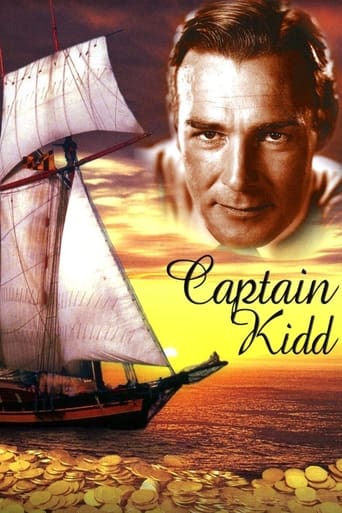
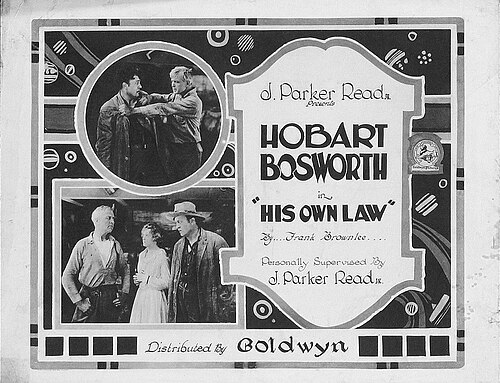
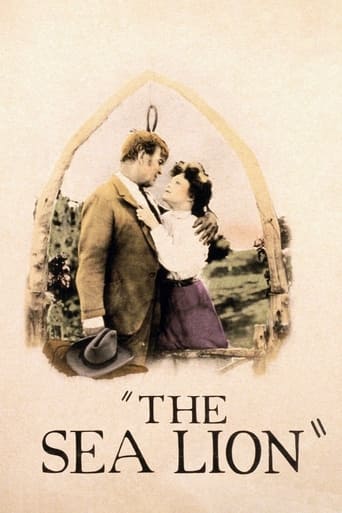
Rowland Vance Lee — prolific American film director, writer, and occasional actor who made significant contributions to Hollywood during the silent era and Golden Age. Born in Ohio in 1891, Lee began his career as an actor in 1920, appearing in several films including 'His Own Law' and 'Dangerous Days' before quickly transitioning to directing the following year. His directorial debut came with 'The Sea Lion' (1921), marking the beginning of a remarkable 25-year career behind the camera. Lee demonstrated exceptional versatility, working across multiple genres including drama, adventure, mystery, and romance, with particular success in literary adaptations and swashbuckling adventures. He successfully navigated the challenging transition from silent films to talkies, directing over 60 films throughout his career. His most celebrated works include 'The Count of Monte Cristo' (1934) and its sequel 'The Son of Monte Cristo' (1940), which showcased his talent for bringing classic literature to the screen with visual flair and dramatic intensity. Lee retired from filmmaking in 1945 after completing 'Captain Kidd,' leaving behind a diverse and influential body of work that continues to be appreciated by classic cinema enthusiasts.
The Craft
On Screen
Lee's acting career was brief and primarily served as a stepping stone to his directorial work. As an actor in the early 1920s, he appeared in conventional leading roles in silent dramas, demonstrating the typical theatrical style of the era with exaggerated gestures and expressions common to silent film performance. His acting experience, however limited, provided him with valuable insights into performance direction that would serve him well throughout his directing career.
Behind the Camera
Rowland V. Lee was known for his efficient, professional approach to filmmaking, with a particular talent for visual storytelling and pacing. He excelled at creating atmospheric tension in his mystery and thriller films while bringing grandeur to his adventure and swashbuckling productions. Lee demonstrated remarkable versatility across genres, from intimate dramas to epic adventures, always maintaining a focus on clear narrative progression and strong character development. His direction of literary adaptations was particularly noteworthy, as he successfully balanced faithfulness to source material with cinematic innovation, making complex stories accessible to mainstream audiences.
Milestones
- Directorial debut with The Sea Lion (1921)
- Successful transition from silent to sound films
- Directed acclaimed Monte Cristo adaptations
- Established himself as a reliable studio director
- Directed over 60 films in 25-year career
- Retired after completing Captain Kidd (1945)
Best Known For
Iconic Roles
Must-See Films
Accolades
Special Recognition
- Recognized for contributions to the adventure film genre
- His Monte Cristo adaptations considered among the definitive film versions
Working Relationships
Worked Often With
Studios
Why They Matter
Impact on Culture
Rowland V. Lee made significant contributions to the development of the adventure film genre in Hollywood, particularly through his acclaimed adaptations of Alexandre Dumas' Monte Cristo novels. His films helped establish visual and narrative conventions that would influence swashbuckling cinema for decades. Lee's successful navigation of the silent-to-sound transition demonstrated the technical and artistic adaptability required during this pivotal period in film history. His work on literary adaptations showed how classic literature could be made accessible and entertaining for mass audiences, influencing how studios approached book adaptations throughout the Golden Age. While not as widely remembered as some of his contemporaries, Lee's films continue to be studied by film historians for their craftsmanship and contribution to genre development.
Lasting Legacy
Rowland V. Lee's legacy rests primarily on his versatile directing career and his skill in bringing literary classics to the screen. His Monte Cristo films remain among the most celebrated adaptations of Dumas' work, praised for their visual spectacle and dramatic power. Lee represents the quintessential studio director of Hollywood's Golden Age - professional, reliable, and capable of delivering quality entertainment across multiple genres. His filmography serves as a valuable record of Hollywood's transition from silent to sound cinema and the evolution of popular film genres during this period. Classic cinema enthusiasts and film scholars continue to rediscover and appreciate Lee's work, recognizing his role in shaping some of Hollywood's most enduring film traditions.
Who They Inspired
Lee influenced subsequent generations of adventure filmmakers through his innovative approach to action sequences and visual storytelling. His Monte Cristo adaptations set standards for literary adaptations that would be emulated by later directors. The efficiency and professionalism he brought to his work served as a model for studio directors throughout the Golden Age. His ability to balance spectacle with substance in adventure films influenced how the genre would develop throughout the 20th century. While not a household name among contemporary audiences, Lee's work continues to be referenced and studied by filmmakers interested in classic Hollywood storytelling techniques and genre conventions.
Off Screen
Rowland V. Lee married actress Esther Ralston in 1927, during the height of both their careers in Hollywood. Their marriage ended in divorce in 1934, after which Lee married Eleanor H. King in 1935, with whom he remained until his death in 1975. Lee had one child, a daughter named Judith, from his first marriage to Ralston. After retiring from filmmaking in 1945, Lee lived a relatively private life away from the Hollywood spotlight, settling in California where he spent his final years. His decision to retire at age 54, while still at the peak of his directing abilities, reflected his desire to step away from the industry on his own terms rather than fade into obscurity.
Education
Limited information available, but likely educated in Ohio before entering the film industry
Family
- Esther Ralston (1927-1934)
- Eleanor H. King (1935-1975)
Did You Know?
- Began his film career as an actor before transitioning to directing
- Directed over 60 films in just 25 years
- His Monte Cristo adaptations starred Robert Donat and Louis Hayward respectively
- Retired from filmmaking at age 54 while still in demand
- His ex-wife Esther Ralston was one of the highest-paid actresses of the 1920s
- Worked with major studios including Paramount, MGM, and Universal
- His films often featured elaborate sets and costumes despite modest budgets
- Successfully transitioned from silent films to talkies without losing his directing style
- His final film 'Captain Kidd' starred Charles Laughton in the title role
- Known for completing films on time and within budget, making him a studio favorite
In Their Own Words
A director must be both an artist and a businessman - understanding the creative vision while respecting the practical realities of filmmaking
The best adaptations honor the spirit of the original work while embracing the unique possibilities of cinema
Silent films taught us the power of visual storytelling - a lesson that remains valuable even in the age of sound
Frequently Asked Questions
Who was Rowland V. Lee?
American on YTB.my. He directed over 60 films, including acclaimed adaptations of 'The Count of Monte Cristo' and its sequel, establishing himself as a versatile filmmaker particularly skilled in adventure and literary adaptations.
What films is Rowland V. Lee best known for?
Titles linked here include The Count of Monte Cristo (1934), The Son of Monte Cristo (1940).
When was Rowland V. Lee born and when did he die?
Born September 6, 1891; died December 15, 1975.
What awards did Rowland V. Lee win?
While Rowland V. Lee did not receive major industry awards like Academy Awards, he was recognized for his significant contributions to the adventure film genre and his acclaimed literary adaptations, particularly his Monte Cristo films which remain highly regarded by film historians.
What was Rowland V. Lee's directing style?
Lee's directing style was characterized by efficiency, visual storytelling, and versatility across genres. He excelled at creating atmospheric tension, directing compelling action sequences, and adapting literary works for the screen while maintaining their essential dramatic elements and making them accessible to mainstream audiences.