Films
5 films

About Jules Cowles
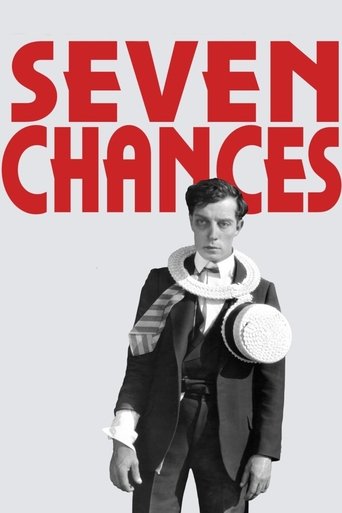
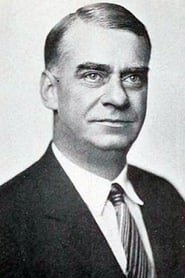
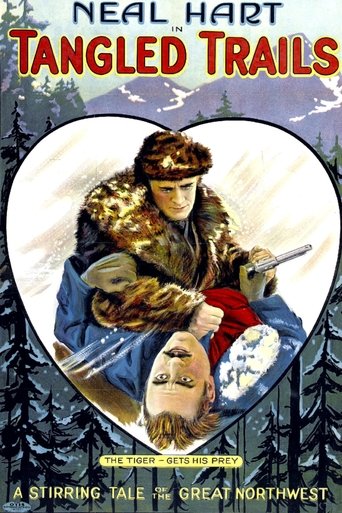
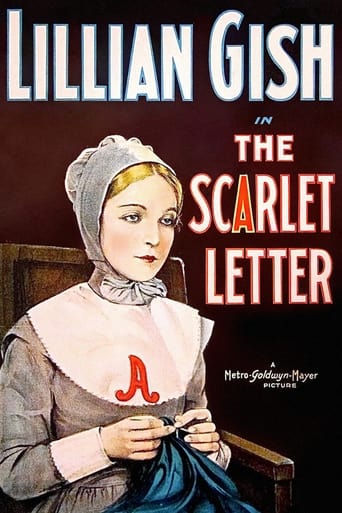
American character actor: screen career was concentrated in the silent film era, with credited work appearing between 1921 and 1927. He is remembered today as a reliable supporting player rather than a leading man, appearing in a number of notable films made by major directors and starring some of the most important performers of the period. Among his best-known credits are John Ford's Tangled Trails, Buster Keaton's Seven Chances, the spectacular adventure film The Lost World, the 1926 film adaptation of The Scarlet Letter, and The Show. His screen roles place him firmly within the world of late silent-era ensemble filmmaking, where small but distinctive character parts helped establish atmosphere, humor, and narrative texture. Available information on his private life is limited, and he does not appear to have left behind the extensive biographical record associated with major stars of the era. Even so, his filmography situates him within a highly significant period of American cinema, when studio production, comedy feature filmmaking, and literary adaptations were rapidly evolving. Like many dependable supporting actors of the silent screen, he contributed to films that remain historically important long after his own name faded from public memory.
The Craft
On Screen
Classic silent-era character with credits in this catalog. In the available surviving record, he is best understood as a supporting performer who helped shape scenes through presence, timing, and reliability. Actors of his type were essential to silent filmmaking because they could communicate status, temperament, or comic reaction quickly and clearly within ensemble staging. His work in both comedy and prestige drama suggests adaptability and an ability to fit comfortably into different directorial styles.
Milestones
- Appeared in Tangled Trails (1921), one of his earliest known screen credits
- Worked in Seven Chances (1925), a celebrated Buster Keaton comedy feature
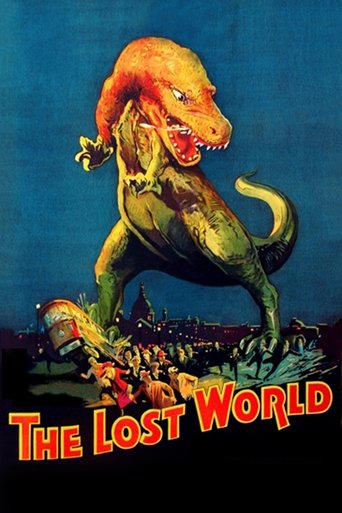
- Appeared in The Lost World (1925), a landmark special-effects adventure film
- Acted in The Scarlet Letter (1926), an important silent adaptation of the Hawthorne novel
- Appeared in The Show (1927), one of the notable late silent-era performances associated with the transition period before sound
Best Known For
Iconic Roles
Must-See Films
Working Relationships
Worked Often With
Why They Matter
Impact on Culture
Jules Cowles's cultural impact is best understood through the films he helped populate rather than through stardom or celebrity in his own right. He appeared in productions that have become enduring reference points in silent-cinema history, especially Seven Chances and The Lost World, both of which continue to be screened, restored, and studied by film historians and enthusiasts. Supporting actors like Cowles were indispensable to the silent era's visual storytelling system, where every face and gesture had to register instantly for audiences watching without synchronized dialogue. His career reflects the broader ecosystem of early Hollywood, in which dozens of working actors contributed to the texture and believability of films that would later become canonical.
Lasting Legacy
Cowles's legacy lies in his participation in a small but notable cluster of important silent films from the 1920s. While he is not a widely recognized star, his credits connect him to key developments in silent cinema, including feature-length comedy, literary adaptation, and effects-driven adventure filmmaking. For historians, actors such as Cowles matter because they represent the professional supporting class that gave classic Hollywood its depth and continuity. His name survives largely through filmographies and archival records, but that presence is significant: it demonstrates how even relatively obscure performers contributed to works that still define the silent era. In this way, his legacy is inseparable from the preservation and continued study of the films themselves.
Who They Inspired
There is no strong evidence that Jules Cowles directly mentored major later performers or that he exerted a clearly traceable influence on the acting profession in the way prominent stars did. His influence is indirect but still meaningful, as he exemplifies the disciplined, expressive supporting work that shaped silent-screen performance norms. Later historians and performers studying silent acting can see in careers like his the importance of economy, clarity, and ensemble cooperation. By contributing to landmark films across different genres, he participated in the visual grammar that influenced later screen acting and film production practices.
Off Screen
Publicly available biographical information about Jules Cowles's personal life is sparse. Standard silent-era references do not readily preserve detailed data about his marriages, family background, or post-screen career, and he appears to have been one of the many working actors whose professional record is better documented than his private life. No reliable information on spouses or children could be confirmed from the available film-history record used here. Likewise, formal education and early training are not clearly documented in the surviving sources commonly associated with classic Hollywood performers.
Did You Know?
- Jules Cowles's known screen career spans only the silent period, ending just before the sound era became dominant.
- He appeared in both comedy and serious literary adaptation, showing unusual range for a supporting actor of his era.
- One of his best-known credits, The Lost World, was a major technical and audience attraction in 1925.
- His work in Seven Chances links him to Buster Keaton, one of silent comedy's greatest auteurs and stars.
- Unlike many performers of the 1920s, he does not appear to have left a widely documented celebrity persona or extensive press trail.
- His surviving filmography suggests he was active at a moment when studios regularly cast dependable character players across a variety of productions.
- Because many silent films are lost or incomplete, his full body of work may have been larger than the surviving record suggests.
- He is an example of the many working actors whose contributions are visible in film credits even when their personal histories remain obscure.
Frequently Asked Questions
Who was Jules Cowles?
American silent-film character with credits in this catalog. He is remembered for supporting roles in notable films such as Seven Chances, The Lost World, The Scarlet Letter, and The Show.
What films is Jules Cowles best known for?
Titles linked here include Seven Chances (1925), The Lost World (1925).
When was Jules Cowles born and when did he die?
Reliable birth and death details are not readily available in the surviving biographical record commonly used for silent-era supporting actors. His exact dates and places of birth and death could not be confirmed from the information available here.
What awards did Jules Cowles win?
No major awards or formal honors could be verified for Jules Cowles. Like many supporting players of the silent era, his career is documented primarily through film credits rather than awards records.
What was Jules Cowles's acting style?
As a silent-era supporting actor, Cowles likely relied on expressive physical gesture, clear facial reactions, and efficient visual characterization. His work suggests the adaptability needed to function in both comedy and dramatic ensemble filmmaking.
Why is Jules Cowles still remembered by film historians?
He is remembered because he appeared in several significant silent films that remain important to cinema history. Even though he was not a star, his roles help document the network of character actors who made classic Hollywood and silent-era storytelling work.