
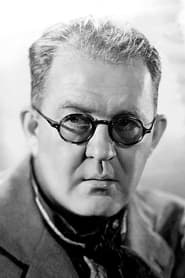
John Ford
Actor & Director
Born: February 1, 1894 in Cape Elizabeth, Maine, USA Died: August 31, 1973 Active: 1917-1966 Birth Name: John Martin Feeney
Films
20 films
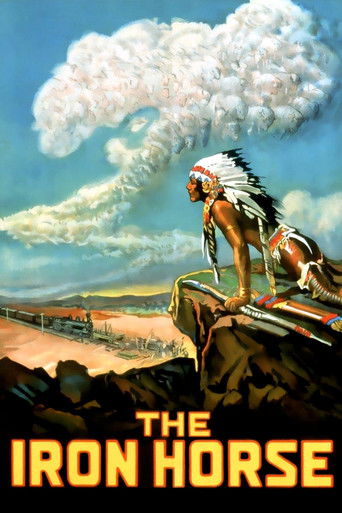
The Iron Horse
1924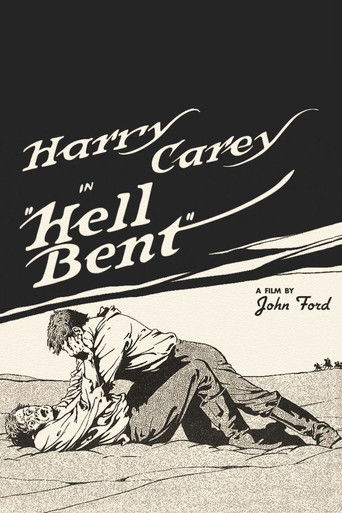
Hell Bent
1918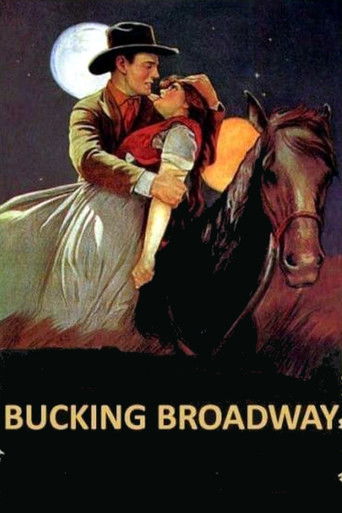
Bucking Broadway
1917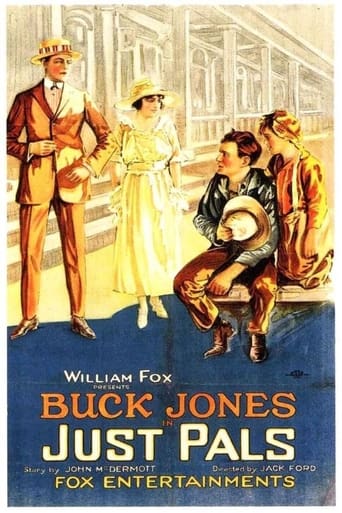
Just Pals
1920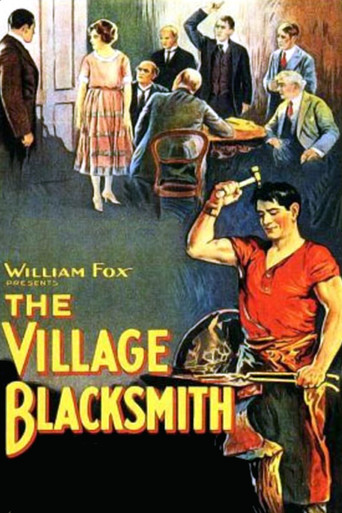
The Village Blacksmith
1922
By Indian Post
1919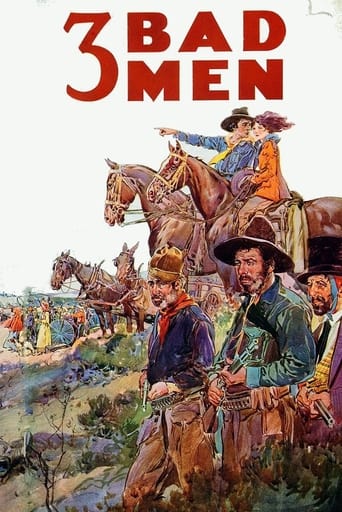
3 Bad Men
1926
Salute
1929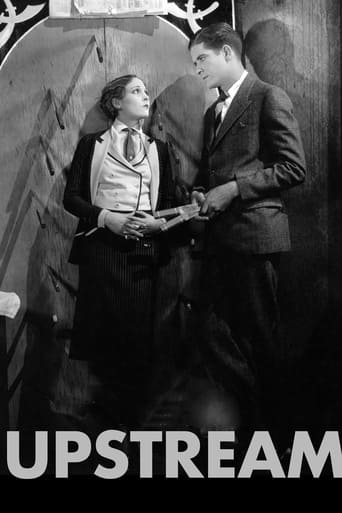
Upstream
1927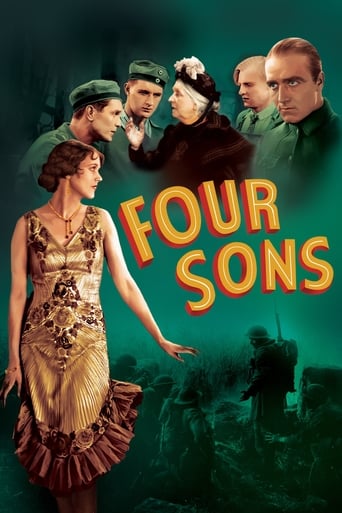
Four Sons
1928
Kentucky Pride
1925
Hangman's House
1928
December 7th
1943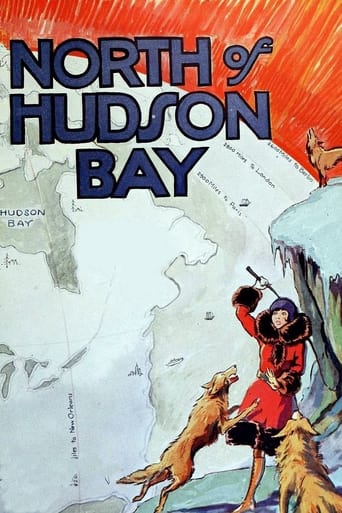
North of Hudson Bay
1923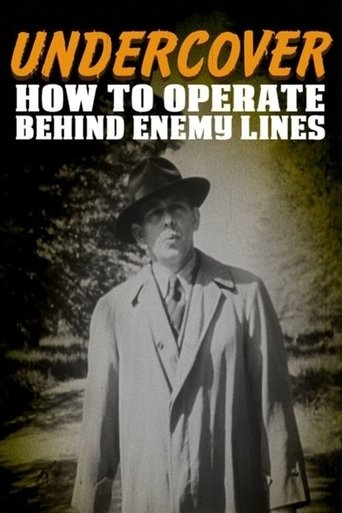
Undercover: How to Operate Behind Enemy Lines
1943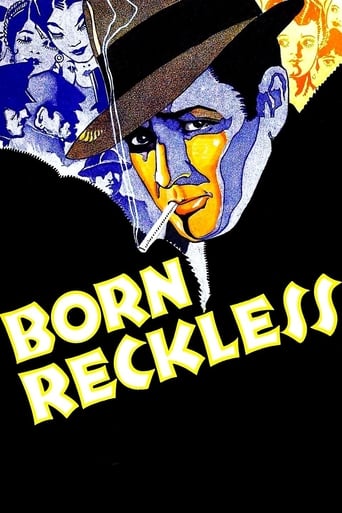
Born Reckless
1930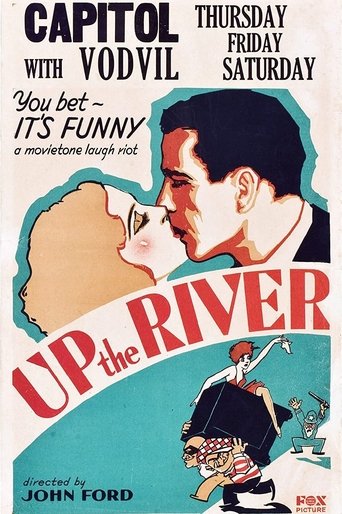
Up the River
1930
The Bandit's Wager
1916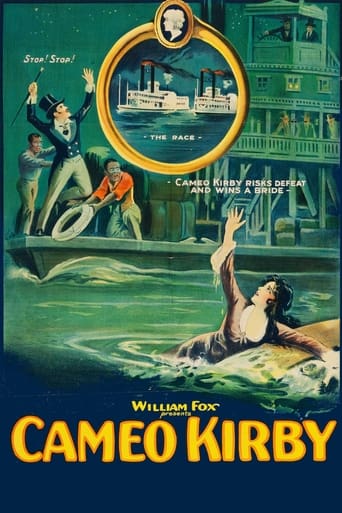
Cameo Kirby
1923About John Ford
John Ford, born John Martin Feeney, was one of America's most influential and celebrated film directors, whose over five decades and encompassed more than 140 films. Beginning his career in the silent era with films like 'Straight Shooting' (1917) and 'Bucking Broadway' (1917), Ford established himself as a master storyteller who would revolutionize American cinema. He transitioned seamlessly to sound films, creating some of the most Westerns in history, including 'Stagecoach' (1939), which made John Wayne a star, and 'The Searchers' (1956), widely considered one of the greatest films ever made. Beyond Westerns, Ford demonstrated remarkable versatility with powerful social dramas like 'The Grapes of Wrath' (1940) and 'How Green Was My Valley' (1941). During World War II, he served as a commander in the U.S. Navy's Field Photo Unit, directing acclaimed documentaries such as 'The Battle of Midway' (1942). Ford's distinctive visual style, characterized by sweeping landscapes and deep focus composition, influenced generations of filmmakers. He won a record four Academy Awards for Best Director and was honored with the AFI Life Achievement Award before his death in 1973.
The Craft
On Screen
While primarily a director, Ford occasionally appeared in his own films and other projects, including 'Undercover: How to Operate Behind Enemy Lines' (1943). His on-screen appearances were typically brief cameos or uncredited roles, reflecting his primary focus on behind-the-camera work rather than acting performance.
Behind the Camera
John Ford's directing style was characterized by his masterful use of landscape as character, particularly the Monument Valley locations that became synonymous with his Westerns. He employed wide shots and deep focus composition to create epic scope while maintaining intimate human drama. Ford was known for his economical shooting style, often capturing scenes in just a few takes, and his ability to elicit powerful, understated performances from his actors. His visual storytelling emphasized action over dialogue, with a keen eye for composition and movement that influenced cinema worldwide.
Milestones
- Directed first feature film 'Straight Shooting' (1917)
- Made John Wayne a star with 'Stagecoach' (1939)
- Won first Academy Award for 'The Informer' (1935)
- Directed 'The Grapes of Wrath' (1940)
- Won record fourth Best Director Oscar for 'The Quiet Man' (1952)
- Created masterpiece 'The Searchers' (1956)
- Received AFI Life Achievement Award (1973)
Best Known For
Iconic Roles
Must-See Films
Accolades
Won
- Academy Award for Best Director - The Informer (1935)
- Academy Award for Best Director - The Grapes of Wrath (1940)
- Academy Award for Best Director - How Green Was My Valley (1941)
- Academy Award for Best Director - The Quiet Man (1952)
- Academy Award for Best Documentary - The Battle of Midway (1942)
- New York Film Critics Circle Award for Best Director - The Grapes of Wrath (1940)
- New York Film Critics Circle Award for Best Director - How Green Was My Valley (1941)
- Golden Globe for Best Director - The Quiet Man (1952)
- Directors Guild of America Award - The Quiet Man (1952)
- Directors Guild of America Lifetime Achievement Award (1954)
Nominated
- Academy Award for Best Director - Stagecoach (1939)
- Academy Award for Best Director - The Long Voyage Home (1940)
- Academy Award for Best Director - The Quiet Man (1952)
- Academy Award for Best Picture - The Quiet Man (1952)
- Academy Award for Best Director - The Searchers (1956)
- Academy Award for Best Director - The Man Who Shot Liberty Valance (1962)
- Golden Lion (Venice Film Festival) - The Quiet Man (1952)
Special Recognition
- AFI Life Achievement Award (1973)
- Presidential Medal of Freedom (posthumous, 1974)
- Hollywood Walk of Fame star
- American Film Institute's Greatest American Male Directors - #1
- National Film Registry selections for multiple films
- Kennedy Center Honors (1980, posthumous)
Working Relationships
Worked Often With
Studios
Why They Matter
Impact on Culture
John Ford fundamentally shaped American cinema and the Western genre, creating archetypal images of the American West that continue to influence popular culture. His films explored themes of community, honor, and the tension between civilization and wilderness, helping define American identity both domestically and internationally. Ford's visual techniques, particularly his use of landscape and composition, became part of the cinematic language adopted by directors worldwide. His portrayal of Irish-American culture and immigrant experiences helped legitimize these stories in mainstream American cinema. During wartime, his documentaries like 'The Battle of Midway' served both propaganda and historical purposes, preserving crucial moments of American military history.
Lasting Legacy
John Ford's legacy endures through his four Academy Awards for Best Director, a record that still stands, and his placement at the top of the American Film Institute's list of greatest American directors. His films, particularly 'The Searchers' and 'Stagecoach,' continue to be studied in film schools and referenced by contemporary filmmakers. The Fordian style—characterized by its visual poetry, thematic depth, and mastery of genre—has influenced directors from Steven Spielberg to Martin Scorsese and Akira Kurosawa. Monument Valley, his signature location, remains a pilgrimage site for film enthusiasts. Ford's ability to elevate popular genres to high art while maintaining commercial success established a template for ambitious filmmakers who followed.
Who They Inspired
Ford's influence extends across generations of filmmakers who adopted his techniques of visual storytelling and his approach to genre filmmaking. Orson Welles cited Ford as a major influence, particularly studying 'Stagecoach' repeatedly before making 'Citizen Kane.' Akira Kurosawa acknowledged Ford's impact on his samurai films, particularly 'Seven Samurai.' Contemporary directors like Steven Spielberg, George Lucas, and Martin Scorsese have all referenced Ford's work in their own films. His method of using landscape to reflect character psychology and his ability to create mythic narratives from American history became foundational elements of American cinema. Ford's success in both critical acclaim and commercial achievement demonstrated that artistic ambition and popular entertainment could coexist in Hollywood.
Off Screen
John Ford was married to Mary McBride Smith from 1920 until her death in 1970, though their marriage was often strained due to his long shooting schedules and rumored affairs with actresses. He had two children, Patrick and Barbara, with his wife. Ford was known for his tough, often abusive demeanor on set, which contrasted with his more private, sensitive nature. He maintained strong ties to his Irish heritage and was a devout Catholic, themes that frequently appeared in his films. In his later years, Ford suffered from poor health, including vision problems and the effects of heavy drinking, which ultimately contributed to his death at age 79.
Education
Attended Portland High School in Maine; largely self-taught in filmmaking, learning through apprenticeship in the early film industry
Family
- Mary McBride Smith (1920-1970)
Did You Know?
- Changed his name from John Martin Feeney to John Ford early in his career
- Directed over 140 films in a career spanning 50 years
- Holds the record for most Best Director Academy Awards with four
- Frequently used Monument Valley as a location, making it iconic in Western films
- Served as a commander in the U.S. Navy during World War II
- Was colorblind, which may have contributed to his distinctive black and white cinematography
- Often wore an eye patch in his later years due to health issues
- Was known for his tough treatment of actors, including John Wayne
- Smoked up to five packs of cigarettes daily
- Had a fear of flying and preferred trains
- Was a heavy drinker, which affected his health in later years
- Never won an Oscar for his Western films despite being most famous for them
In Their Own Words
When you make a picture, you must have confidence in your own ideas. Otherwise, you can't do it.
I don't make messages. I make pictures.
I make my films for the people, not for the critics.
John Wayne is the biggest star I ever had, but he's not the best actor. That would be Henry Fonda.
I don't like to repeat myself. I like to keep moving forward.
The Western is a mythological genre, like Greek mythology or Arthurian legend.
I'm a director. I'm not a social commentator. I'm a storyteller.
If you have to ask what a symbol means, you've missed the point.
Frequently Asked Questions
Who was John Ford?
John Ford was one of America's most influential and acclaimed film directors, particularly known for his Westerns and social dramas. Over a 50-year career, he directed over 140 films and won a record four Academy Awards for Best Director, establishing himself excelled in American cinema who defined the visual language of the Western genre.
What films is John Ford best known for?
Titles linked here include Stagecoach (1939), The Grapes of Wrath (1940).
When was John Ford born and when did he die?
Born February 1, 1894; died August 31, 1973.
What awards did John Ford win?
John Ford won a record four Academy Awards for Best Director for 'The Informer' (1935), 'The Grapes of Wrath' (1940), 'How Green Was My Valley' (1941), and 'The Quiet Man' (1952). He also received the AFI Life Achievement Award, the Presidential Medal of Freedom (posthumously), and numerous other honors recognizing his contributions to American cinema.
What was John Ford's directing style?
Ford's directing style was characterized by his masterful use of landscape, particularly Monument Valley, his economical shooting technique, and his ability to create epic scope while maintaining intimate human drama. He emphasized visual storytelling over dialogue, used deep focus composition, and was known for eliciting powerful, understated performances from his actors, creating a distinctive cinematic language that influenced generations of filmmakers.