



Four Sons
"1928 film by John Ford"
Keys: Space play/pause · ←/→ 10s · F fullscreen · M mute · </> speed
About this film
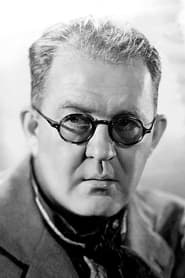
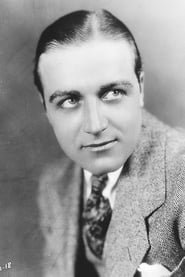
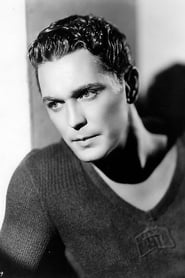
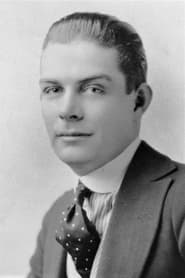
Wylie first published in the Saturday Evening Post as "Grandmother Bernle Learns Her Letters" . While the film has no audible dialog, it was released with a synchronized musical score with sound effects using the sound-on-film movietone process. It is one of only a handful of survivors out of the more than 50 films Ford directed between 1917 and 1928. Margaret Mann, James Hall, and Charles Morton. The film is also notable for the presence of the young John Wayne in an uncredited role as an officer.
Cast & crew
More films like this
More War films
View all →


More from John Ford
View all →

More about this film
About the production
Release dateFebruary 12, 1928
Box officeSuccessful at the box office, particularly popular with immigrant audiences and those affected by WWI
ProductionFox Film Corporation
Filmed inFox Studios, Century City, California, California locations for Bavarian village scenes
John Ford's first major success at Fox, showcasing his emerging directorial style. The film was shot during the transition to sound, making it one of the last major silent dramas. Ford insisted on authentic details, hiring German-speaking extras and constructing elaborate European village sets. The production faced challenges recreating WWI battle scenes just a decade after the actual war.
Themes
Family bonds and maternal loveThe devastating impact of war on ordinary peopleImmigration and divided loyaltiesThe loss of innocencePatriotism vs. humanity
Themes & topics
World War IFamily sagaImmigrationAnti-warMother-son relationshipBavariaGerman-AmericanBattle sequencesSilent dramaEmotional traumaPatriotismDivided familyWar orphanVillage lifeSoldier's homecoming
Historical background
Four Sons (1928) circulated in the silent era. Wylie first published in the Saturday Evening Post as "Grandmother Bernle Learns Her Letters" . Contemporary trade papers and later preservation notes document its place among nickelodeon and cinema-club programs.
Why this film matters
Four Sons remains accessible to researchers and viewers as a screen title in museum, archive, and streaming collections. Wylie first published in the Saturday Evening Post as "Grandmother Bernle Learns Her Letters" (1926).
Making of
John Ford, then still known primarily for his Westerns, fought studio executives to make this emotional family drama. He discovered Margaret Mann at a school where she was teaching and insisted on casting her despite her lack of acting experience. The production involved constructing elaborate Bavarian village sets on the Fox backlot, complete with working brewery and authentic German architecture. Ford worked closely with cinematographer Charles G. Clarke to develop a visual style that contrasted the warm, intimate family scenes with the stark, brutal battle sequences. The war scenes utilized actual WWI veterans as extras and technical advisors to ensure authenticity. Ford's attention to detail extended to having all German dialogue and signage in the film be accurate, requiring German-speaking consultants throughout production.
What critics said
Day-one reviews for Four Sons are sparse in digitized press archives; later criticism treats it as a reference point for 1928 cinema programming and preservation.
Did you know?
- This was John Ford's 44th film as director but his first major critical and commercial success
- Margaret Mann, who played the mother, was discovered by Ford while working as a schoolteacher
- The film was so successful that Fox remade it in 1940 as a sound film directed by Archie Mayo
- One of the first American films to portray German characters sympathetically after WWI
- The battle sequences were so realistic that some audience members believed they were watching actual war footage
- Ford later said this film helped establish his reputation for handling emotional family dramas
- The original negative was thought lost until preservation efforts in the 1990s
- The film's international success helped establish Fox as a major studio for prestige productions
- James Hall, who played Joseph, was one of the few silent actors who successfully transitioned to sound films
- The film was banned in Germany until 1929 due to its anti-war themes
Awards & recognition
- Academy Honorary Award for John Ford (1932) - career achievement including this film
Visual style
Charles G. Clarke's cinematography in Four Sons represents some of the finest visual storytelling of the late silent era. The film employs a distinctive visual contrast between the warm, intimate family scenes in the Bavarian village and the harsh, stark imagery of the battle sequences. Clarke used soft focus and warm lighting for the domestic scenes, creating a nostalgic, almost dreamlike quality that emphasizes the family's happiness before the war. The battle sequences, by contrast, utilize high-contrast lighting and handheld camera techniques that create a sense of chaos and immediacy. Notable tracking shots follow characters through the village streets, establishing a sense of place and community. The cinematography makes effective use of depth of field, particularly in scenes showing the mother waiting for news, where the empty space around her emphasizes her isolation. Clarke's work on this film helped establish visual techniques that would become standard in family dramas and war films for decades to come.
Innovations
Four Sons showcased several technical innovations for its time, particularly in its battle sequences. The film employed early forms of the tracking shot to follow characters through the village, creating a sense of continuity and immersion. Ford and his cinematographer developed techniques for simulating explosions and artillery fire that were remarkably realistic for the period, using multiple camera angles and carefully timed pyrotechnics. The film's editing, particularly in the cross-cutting between the mother waiting at home and her sons at war, was considered groundbreaking in its ability to build tension and emotional impact. The production also pioneered the use of large-scale miniature models for certain village and battlefield scenes, allowing for shots that would have been impossible or too dangerous to film full-scale. The film's preservation in 1999 required advanced restoration techniques to repair damage to the original nitrate elements, making it a showcase for both historical and modern technical achievement.
Music
As a silent film, Four Sons was originally accompanied by a compiled score performed live in theaters. The Fox studio provided a detailed musical cue sheet suggesting appropriate classical pieces and mood music for different scenes. The score prominently featured works by German composers including Wagner and Brahms for the family scenes, contrasting with more dissonant, modernist pieces for the battle sequences. Some theaters commissioned original scores from their house composers, with the Roxy Theater in New York creating a particularly elaborate orchestral arrangement. The 1999 restoration included a newly commissioned score by composer Gillian Anderson, which attempted to recreate the musical aesthetic of the late 1920s while incorporating modern sensibilities. The music plays a crucial role in the film's emotional impact, particularly in scenes without intertitles where the score alone conveys the characters' feelings.
Famous quotes
A mother's heart is a battlefield where no war can end.
When sons go to war, mothers fight forever.
In war, there are no winners, only survivors.
Home is not where you are born, but where you are understood.
The loudest sound in war is a mother's silence.
Memorable scenes
- The emotional opening sequence showing the mother with her four sons in their Bavarian home, establishing the family's close bond before the war
- The farewell scene where three sons leave for the German army while Joseph departs for America, visually representing the family's division
- The powerful sequence of the mother receiving telegrams about her sons, using visual storytelling to convey devastating news without dialogue
- The climactic battle scenes showing the brutal reality of trench warfare, filmed with remarkable technical sophistication for 1928
- The final reunion scene where Joseph returns as an American soldier, confronting his mother and the devastation of war
- The haunting shot of the mother walking through the empty village, emphasizing the loss and isolation caused by war
What audiences thought
Four Sons was a major commercial success upon its release, particularly resonating with immigrant audiences and families who had experienced the impact of WWI. The film's emotional core struck a chord with viewers, with many reports of audiences weeping during the mother's scenes. The movie played for extended runs in major cities and was especially popular in areas with large German-American populations. Audience word-of-mouth helped sustain its theatrical run for months beyond typical booking periods. The film's success was such that it became one of Fox's most profitable productions of 1928. Even during the transition to sound, theaters continued to book Four Sons due to audience demand. The film's reputation among classic film enthusiasts remains strong today, with restored screenings often selling out at revival houses and film festivals.
Film connections
Influenced by
- D.W. Griffith's family epics like 'Way Down East'
- Erich von Stroheim's German-influenced Hollywood films
- European war films of the 1920s
- Victor Sjöström's emotional dramas
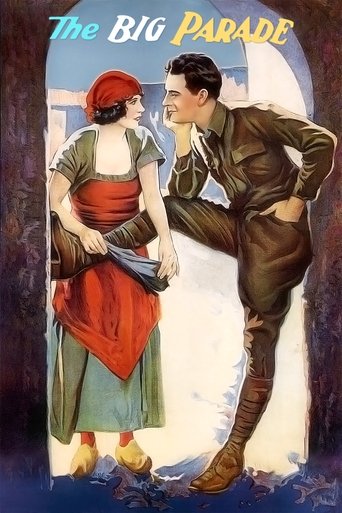
- King Vidor's 'The Big Parade' for its realistic war sequences
This film influenced
- Ford's own 'The Grapes of Wrath' for its family saga structure
- Lewis Milestone's 'All Quiet on the Western Front' for its anti-war stance
- William Wyler's 'Mrs. Miniver' for its home front perspective
- Steven Spielberg's 'Saving Private Ryan' for its mother-son war theme
Film restoration
Four Sons was preserved by the Academy Film Archive in partnership with L'Imaginne Ritrovato and Twentieth Century Fox Film Corporation in 1999. The preservation effort involved locating and combining the best available elements from various archives worldwide. The restoration utilized state-of-the-art digital technology to repair damage to the original nitrate materials while maintaining the film's original visual aesthetic. The restored version premiered at the Pordenone Silent Film Festival and has since been included in the Criterion Collection's 'Ford at Fox' DVD box set. The film is now considered to be in excellent preservation condition, with both 35mm and digital copies available for archival and exhibition purposes.
Where to watch
- The Criterion Collection streaming service (as part of Ford at Fox collection)
- The Criterion Collection DVD/Blu-ray box set 'Ford at Fox'
- Film archives and museum screenings (Academy Film Archive, Museum of Modern Art)
- Classic film streaming services specializing in silent cinema
- Occasional broadcasts on Turner Classic Movies (TCM)
- Educational institutions with film studies programs
- Specialized silent film festivals and revival houses