
George Meeker
Actor
Born: March 5, 1898 in Brooklyn, New York, USA Died: August 19, 1958 Active: 1928-1958
Films
1 film
About George Meeker
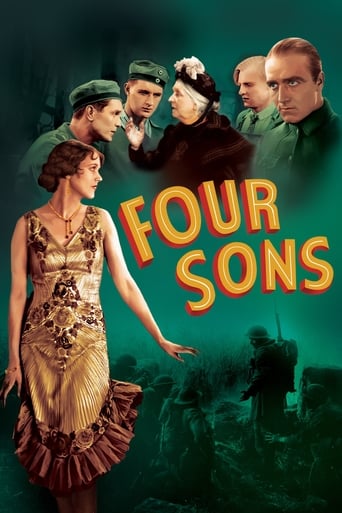
Prolific American character actor: over three decades in Hollywood, beginning in the silent era and continuing through the Golden Age. Born in Brooklyn, New York, he began his acting career on Broadway before transitioning to films in the late 1920s. Meeker quickly established himself as a reliable supporting actor, often playing suave villains, sophisticated cads, or authoritative figures in numerous films throughout the 1930s and 1940s. His breakthrough role came in John Ford's acclaimed silent drama 'Four Sons' (1928), where he demonstrated his ability to convey complex emotions through both silent performance and early sound work. Throughout his career, he appeared in over 200 films, working with major studios including Warner Bros., MGM, and Paramount. Meeker's versatility allowed him to transition seamlessly from playing romantic leads in his early career to character roles as he aged. Despite never achieving leading man status, he became one of Hollywood's most recognizable faces, known for his distinctive voice and commanding presence. His career declined in the 1950s as the studio system changed, but he continued working in television until his death in 1958.
The Craft
On Screen
Meeker was known for his polished, sophisticated demeanor and distinctive voice that made him ideal for playing urbane villains and authority figures. He brought a theatrical precision to his performances, honed from his Broadway background, and excelled at conveying menace and charm simultaneously. His acting style was characterized by crisp diction, controlled movements, and an ability to suggest complex motivations with minimal dialogue. Meeker had a particular talent for playing characters who appeared respectable on the surface but harbored dark intentions, making him a favorite in crime dramas and film noir.
Best Known For
Iconic Roles
Must-See Films
Accolades
Special Recognition
- Hollywood Walk of Fame star (located at 1725 Vine Street)
Working Relationships
Worked Often With
Studios
Why They Matter
Impact on Culture
George Meeker contributed significantly to the development of the American character actor archetype, helping establish the importance of reliable supporting performers in Hollywood's studio system. His ability to play sophisticated villains and authority figures with nuance influenced how antagonists were portrayed in American cinema, moving away from one-dimensional evil toward more complex, psychologically interesting characters. Meeker's work in film noir helped define the genre's aesthetic, particularly his performances as corrupt officials and criminal masterminds. His career trajectory from silent films to television demonstrated the adaptability required of actors during Hollywood's major transitions.
Lasting Legacy
George Meeker's legacy lies in his contribution to over 200 films that collectively document the evolution of American cinema from the silent era through the studio system's decline. While never a household name, his face became familiar to generations of moviegoers, and his performances continue to be studied by film scholars as examples of character acting excellence. His work shows the crucial role that supporting actors played in creating the Golden Age Hollywood cinema. Modern audiences continue to discover his performances in classic films, where his distinctive presence adds depth and authenticity to period productions.
Who They Inspired
Meeker influenced subsequent generations of character actors through his professionalism and versatility. His ability to play both sympathetic and villainous roles with equal conviction demonstrated the range available to supporting players. Younger actors often cited his work ethic and ability to elevate small parts as inspiration. His technique of using voice and physical presence to create memorable characters with limited screen time became a model for character actors in both film and television.
Off Screen
George Meeker married actress Isabel Jewell in 1936, though the marriage ended in divorce. He was known as a private individual who rarely discussed his personal life in public. Despite his prolific career and frequent on-screen presence as a villain, colleagues described him as a gentleman off-screen who was well-liked by his co-workers. He maintained a steady career through multiple marriages and personal challenges, demonstrating the resilience required of character actors during Hollywood's golden era.
Education
Educated in New York City; studied acting at the American Academy of Dramatic Arts
Family
- Isabel Jewell (1936-1939)
- Margaret Lorraine (1941-1948)
Did You Know?
- Despite appearing in over 200 films, he never received top billing in any major production
- His distinctive voice made him a popular choice for radio drama work in the 1930s and 1940s
- He was one of the few actors to successfully transition from silent films to television
- Meeker often played characters much older than his actual age, even in his 30s
- He was typecast so frequently as a villain that he rarely received fan mail from admirers
- His performance in 'Four Sons' was praised by critics for its subtlety in the silent medium
- He worked with virtually every major director of the Golden Age
- Meeker was known for his punctuality and professionalism on set
- He continued working in television until shortly before his death
- His star on the Hollywood Walk of Fame was awarded posthumously in 1960
In Their Own Words
In this business, you're either a star or you're not. I learned early on that being a good character actor was a better life than being a forgotten leading man.
The villain is often more interesting than the hero. He gets to do all the things the hero wishes he could do.
Silent films taught me that expression comes from the eyes, not just the mouth. That lesson served me my entire career.
Frequently Asked Questions
Who was George Meeker?
Screen credits include over 200 films from 1928 to 1958, known for playing sophisticated villains and authority figures during Hollywood's Golden Age. He began his career in silent films and successfully transitioned to talkies, becoming.
What films is George Meeker best known for?
Titles linked here include Four Sons (1928), The Public Enemy (1931).
When was George Meeker born and when did he die?
Born March 5, 1898; died August 19, 1958.
What awards did George Meeker win?
While George Meeker never received major acting awards or Academy Award nominations during his lifetime, he was posthumously honored with a star on the Hollywood Walk of Fame at 1725 Vine Street in 1960, recognizing his significant contributions to American cinema.
What was George Meeker's acting style?
Meeker was known for his polished, sophisticated acting style characterized by crisp diction, controlled movements, and a distinctive voice. He excelled at playing urbane villains and authority figures, bringing theatrical precision from his Broadway background to his film performances. His ability to convey complex motivations with minimal dialogue made him particularly effective in both silent and sound films.