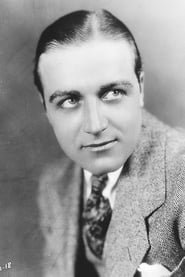
James Hall
Actor
Born: February 1, 1900 in Dallas, Texas, USA Died: June 7, 1940 Active: 1928-1931 Birth Name: James E. Hall
Films
5 films


About James Hall
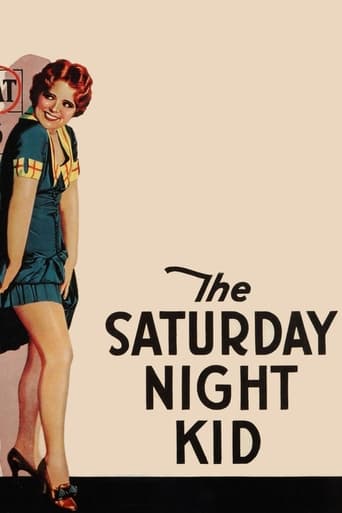
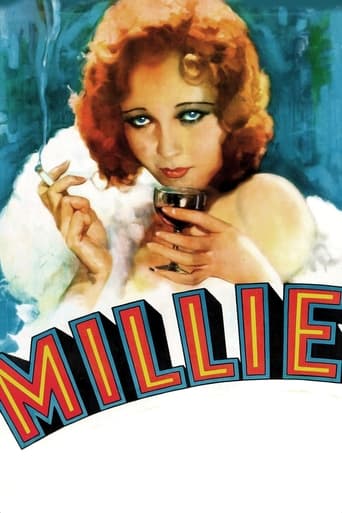
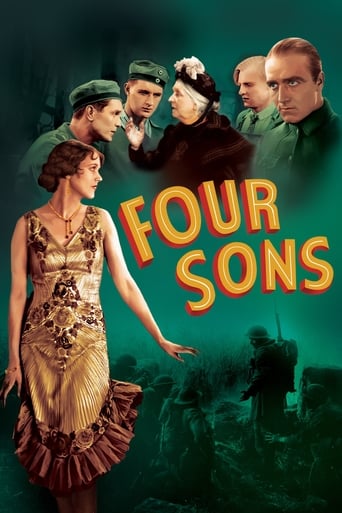
American actor who rose to prominence during the transition from silent cinema to sound films in the late 1920s. He began his career in silent films and successfully made the transition to talkies, appearing in notable productions like John Ford's 'Four Sons' (1928). Hall worked with major studios of the era and often played leading or supporting roles alongside established stars. His career was relatively brief but significant, spanning the crucial period when Hollywood was adapting to sound technology. James appears in films with notable actresses like Clara Bow in 'The Saturday Night Kid' (1929) and Jean Harlow in 'Millie' (1931). Hall's film career appears to have ended in the early 1930s, as was common for many actors whose careers didn't fully transition to the sound era.
The Craft
On Screen
Hall was typical of leading men of the late silent era, with a theatrical style that adapted to the demands of early sound films. He had a commanding presence and was able to convey emotion effectively both in silent performance and with dialogue.
Milestones
- Appeared with Clara Bow in 'The Saturday Night Kid' (1929)
- Featured in 'The Canary Murder Case' (1929)
- Worked with Jean Harlow in 'Millie' (1931)
Best Known For
Iconic Roles
Must-See Films
Working Relationships
Worked Often With
Studios
Why They Matter
Impact on Culture
James Hall represents the generation of actors who navigated the challenging transition from silent films to talkies. His work in films like 'Four Sons' during this pivotal period in cinema history contributes to our understanding of how actors adapted their craft to new technologies. While not a major star whose name is widely remembered today, his performances in notable productions of the era help document the evolution of film acting techniques during this crucial transition period.
Lasting Legacy
James Hall's legacy lies primarily in his contribution to cinema during one of its most transformative periods. His performances in films that captured the transition from silent to sound cinema serve as historical artifacts of this important era. Though his career was relatively brief, his work with notable directors and co-stars places him within the context of Hollywood's golden age of transition.
Who They Inspired
As a working actor during the silent-to-sound transition, Hall was part of the generation that helped establish the conventions of sound film acting. His adaptations from silent performance techniques to dialogue-driven performances contributed to the broader evolution of film acting during this period.
Off Screen
James Hall married actress Martha Sleeper in 1931, and they remained married until his death in 1940. Hall died relatively young at age 40, bringing his life and career to an early end. Limited additional information is available about his personal life beyond his marriage and professional career.
Family
- Martha Sleeper (1931-1940)
Did You Know?
- James Hall was born in Dallas, Texas, and began his film career in the late 1920s
- He successfully made the transition from silent films to talkies, a challenge that ended many careers of the era
- He appeared opposite Clara Bow in 'The Saturday Night Kid' (1929), one of Bow's early sound films
- 'The Canary Murder Case' (1929) was one of the early talkie mystery films that Hall appeared in
- He worked with Jean Harlow in 'Millie' (1931), one of Harlow's early starring roles
- Hall married actress Martha Sleeper in 1931, who was also active in films during the same period
- His film career appears to have ended in the early 1930s, as was common for many actors whose careers didn't fully establish themselves in the sound era
- Hall died relatively young at age 40 in 1940
- Despite his relatively brief career, he worked with some of the biggest names and studios of his era
Frequently Asked Questions
Who was James Hall?
American with credits in this catalog. He appeared in notable films including 'Four Sons' (1928), 'The Saturday Night Kid' (1929), 'The Canary Murder Case' (1929), and 'Millie' (1931). Though his career was relatively brief, he worked with major stars like Clara Bow and Jean Harlow during this pivotal period in cinema history.
What films is James Hall best known for?
Titles linked here include Four Sons (1928), The Saturday Night Kid (1929).
When was James Hall born and when did he die?
Born February 1, 1900; died June 7, 1940.
What awards did James Hall win?
There is no record of James Hall receiving major awards or nominations during his acting career. Like many character actors of his era, his contributions were primarily through his performances rather than through formal recognition or accolades.
What was James Hall's acting style?
James Hall's acting style was typical of leading men transitioning from silent films to talkies, with a theatrical presence that adapted to both visual storytelling and dialogue-driven performances. His work demonstrated the evolving techniques required as Hollywood moved from silent cinema to sound films in the late 1920s and early 1930s.