Earle Foxe
Actor
Born: December 25, 1891 in Oxford, Ohio, USA Died: February 10, 1946 Active: 1912-1933 Birth Name: Earle Alden Foxe
Films
3 films
About Earle Foxe
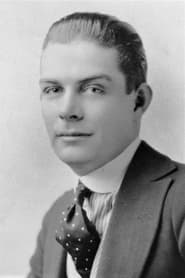
American character actor: the silent era through the early sound period of Hollywood. Born in Ohio in 1891, Foxe began his entertainment career on Broadway stages before transitioning to films around 1912. Earle appears in over 100 films throughout his career, working with major studios and notable directors, particularly John Ford. Foxe became known for his versatility in playing sophisticated gentlemen, villains, and authority figures with equal skill. His most significant work came during the mid-1920s when he appeared in several important Ford films, including the acclaimed 'The Iron Horse' (1924). Foxe successfully navigated the challenging transition from silent films to talkies, adapting his acting style to accommodate sound technology. He gradually reduced his film appearances in the early 1930s and retired from acting, spending his remaining years with his wife until his death in 1946 at age 54.
The Craft
On Screen
Foxe was known for his versatility as a character actor, excelling in roles ranging from sophisticated gentlemen to menacing villains. His silent era performances emphasized expressive facial features and deliberate gestures, typical of the period, but he adapted effectively to sound films with his distinctive, resonant voice. Foxe possessed a commanding screen presence that made him particularly effective in authority roles. He brought depth to supporting characters, often elevating them beyond their written dimensions through subtle nuances in performance. His ability to convey complex emotions with minimal dialogue made him valuable to directors during the transition to sound.
Milestones
- Appeared in over 100 films during silent and early sound era
- Worked frequently with director John Ford in the 1920s
- Successfully transitioned from silent films to talkies
- Starred in the acclaimed film 'The Iron Horse' (1924)
Best Known For
Iconic Roles
Must-See Films
Working Relationships
Worked Often With
Studios
Why They Matter
Impact on Culture
Earle Foxe represents the journey of the professional character actor during Hollywood's transformative years. His career trajectory from silent films to talkies exemplifies the adaptability required for longevity in early Hollywood. Foxe's work in John Ford's films contributed to the development of Ford's distinctive directorial style during the director's formative years. As a reliable supporting actor, Foxe helped establish the importance of strong character performances in ensemble casts, a principle that would become fundamental to Hollywood filmmaking. His successful transition to sound films demonstrated that character actors, not just leading stars, were essential to maintaining quality during the industry's technological revolution.
Lasting Legacy
Earle Foxe is remembered as a dependable and versatile character actor who enhanced numerous films of the silent and early sound era. While never achieving major stardom, his consistent performances in supporting roles contributed significantly to the quality of many classic films. His appearances in John Ford's early masterpieces have preserved his place in cinema history for film scholars and enthusiasts. Foxe's career serves as an example of the professional character actor who found success through reliability and adaptability rather than celebrity status. Modern film historians studying the transition from silent to sound films often cite actors like Foxe as examples of those who successfully navigated this challenging period.
Who They Inspired
Foxe's career influenced other character actors by demonstrating the value of versatility and professionalism in Hollywood. His ability to play both sympathetic and villainous roles showed the importance of range for supporting actors. His successful adaptation to sound films provided a model for other silent era actors facing the same challenge. Foxe's working relationship with John Ford influenced how directors approached casting character actors in ensemble films. His longevity in the industry during a period of massive technological change inspired other actors to embrace new techniques rather than resist industry evolution.
Off Screen
Foxe married vaudeville performer and actress May Boley in 1926, and their marriage lasted until his death in 1946. The couple had no children together. Foxe was known for his professionalism and reliability on film sets, earning respect from directors and fellow actors. After retiring from acting in the early 1930s, he lived a relatively private life away from the Hollywood spotlight. He maintained friendships with several industry colleagues from his active years. Foxe passed away from a heart attack at his home in Los Angeles at the age of 54.
Education
Attended Miami University in Oxford, Ohio before leaving to pursue acting career
Family
- May Boley (1926-1946)
Did You Know?
- Despite sharing a surname with Fox Film Corporation, there was no family connection between Earle Foxe and the studio founder William Fox.
- Foxe began his career as a stage actor on Broadway before transitioning to films.
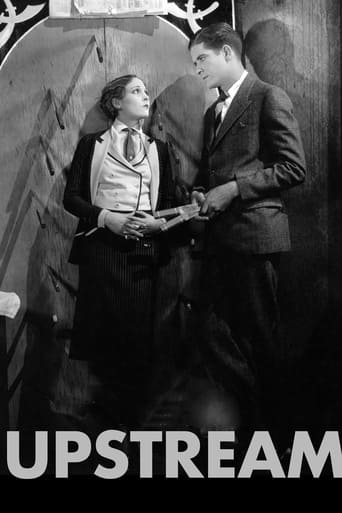
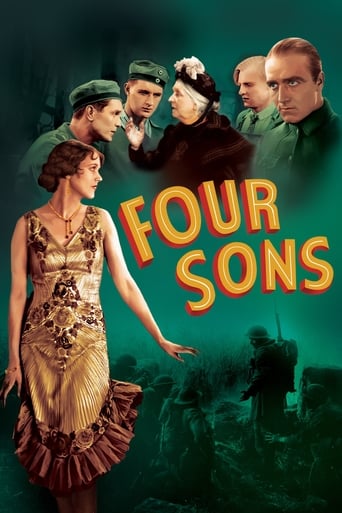
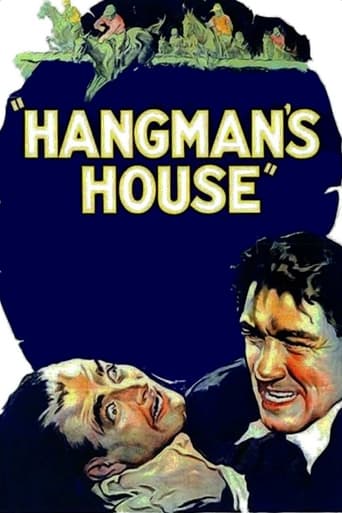
- He appeared in three films directed by John Ford released in the same year (1928): 'Four Sons', 'Hangman's House', and 'Upstream'.
- Foxe's film 'Upstream' (1927) was considered lost for decades until a print was discovered in the New Zealand Film Archive in 2009.
- He often played characters much older than his actual age, a common practice for character actors of his era.
- Foxe — skilled horseman, which made him particularly valuable in western and adventure films.
- His final film appearance was in 'The Mystery of the Wax Museum' (1933), an early horror classic.
- Foxe was one of the few actors from John Ford's early silent films who the director continued to cast in his early sound pictures.
- Despite appearing in over 100 films, Foxe never received top billing in any major production.
- His wife May Boley was a well-known vaudeville performer who also appeared in several films, sometimes alongside her husband.
In Their Own Words
The villain role is often more interesting than the hero - you have more freedom to create something memorable.
In silent films, your eyes had to do all the talking. In sound pictures, you learn that sometimes silence is still the most powerful tool.
Working with Ford taught me that every character, no matter how small, matters to the story.
Frequently Asked Questions
Who was Earle Foxe?
American character with credits in this catalog. He appeared in over 100 films between 1912 and 1933, often playing sophisticated gentlemen, villains, or authority figures. Foxe worked frequently with director John Ford and successfully transitioned from silent films to talkies.
What films is Earle Foxe best known for?
Titles linked here include The Iron Horse (1924), Upstream (1927).
When was Earle Foxe born and when did he die?
Born December 25, 1891; died February 10, 1946.
What awards did Earle Foxe win?
Despite his prolific career and contributions to classic cinema, Earle Foxe did not receive any major awards or nominations during his lifetime. Like many character actors of his era, his contributions were recognized through steady employment rather than formal accolades.
What was Earle Foxe's acting style?
Foxe was known for his versatility and commanding screen presence, excelling at playing both sophisticated gentlemen and menacing villains. In silent films, he used expressive facial features and deliberate gestures, but successfully adapted to sound films with his distinctive voice. He brought depth to supporting characters through subtle performance nuances.
Did Earle Foxe work with any famous directors?
Yes, Foxe worked frequently with director John Ford, appearing in several of his films during the 1920s. Their collaborations include 'The Iron Horse' (1924), 'Upstream' (1927), 'Four Sons' (1928), and 'Hangman's House' (1928). Foxe was one of the character actors Ford relied upon during his formative years as a director.
Was Earle Foxe related to Fox Film Corporation?
No, despite sharing the surname, Earle Foxe had no family connection to William Fox, the founder of Fox Film Corporation. This was merely a coincidence, though Foxe did work with the studio on several occasions throughout his career.